Neuropathic pain affects millions of Americans every day, and understanding the condition along with the right neuropethic pain medication can make a meaningful difference in daily comfort and overall quality of life. If you’ve ever felt a burning sensation, tingling, electric-shock feelings, or sharp stabbing pain without a visible injury, you may already be familiar with neuropathic pain. These symptoms often appear unexpectedly and can persist for long periods, making everyday activities difficult.
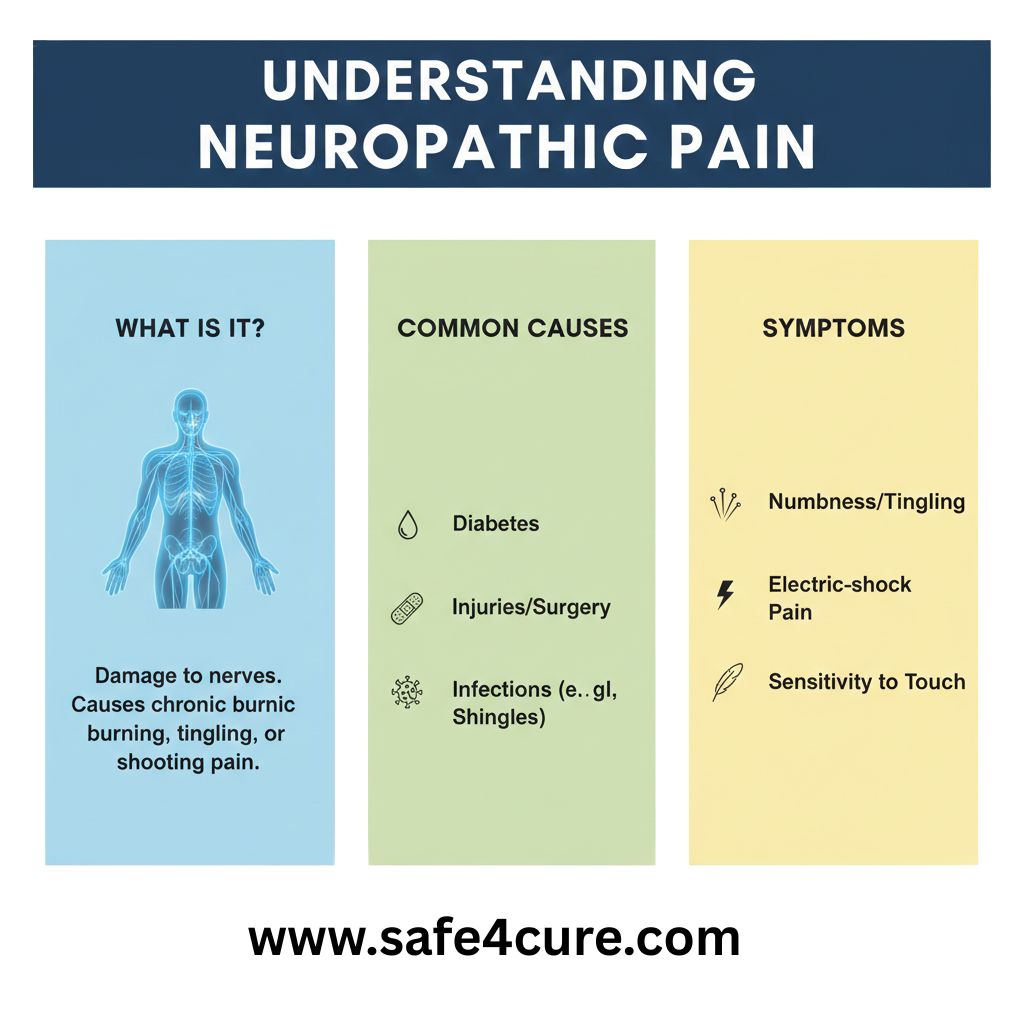
The definition of neuropathic pain is relatively simple: it is pain caused by damage, disease, or dysfunction of the nervous system rather than injury to muscles, joints, or tissues. Unlike normal pain, which serves as a warning signal, neuropathic pain occurs when nerves misfire or send incorrect signals to the brain. This type of nerve damage can develop after trauma, surgery, infections, or as a complication of chronic conditions such as diabetes.
Whether you are experiencing burning pain due to peripheral neuropathy, discomfort from a pinched nerve, or other nerve-related conditions, identifying the exact type of neuropathic pain is essential for effective management. In this comprehensive guide, we will break down the four main types of neuropathic pain, review common drug treatment options, and explain when medications such as Gabapentin may be recommended as part of a targeted treatment plan.
What Are the 4 Types of Neuropathic Pain?
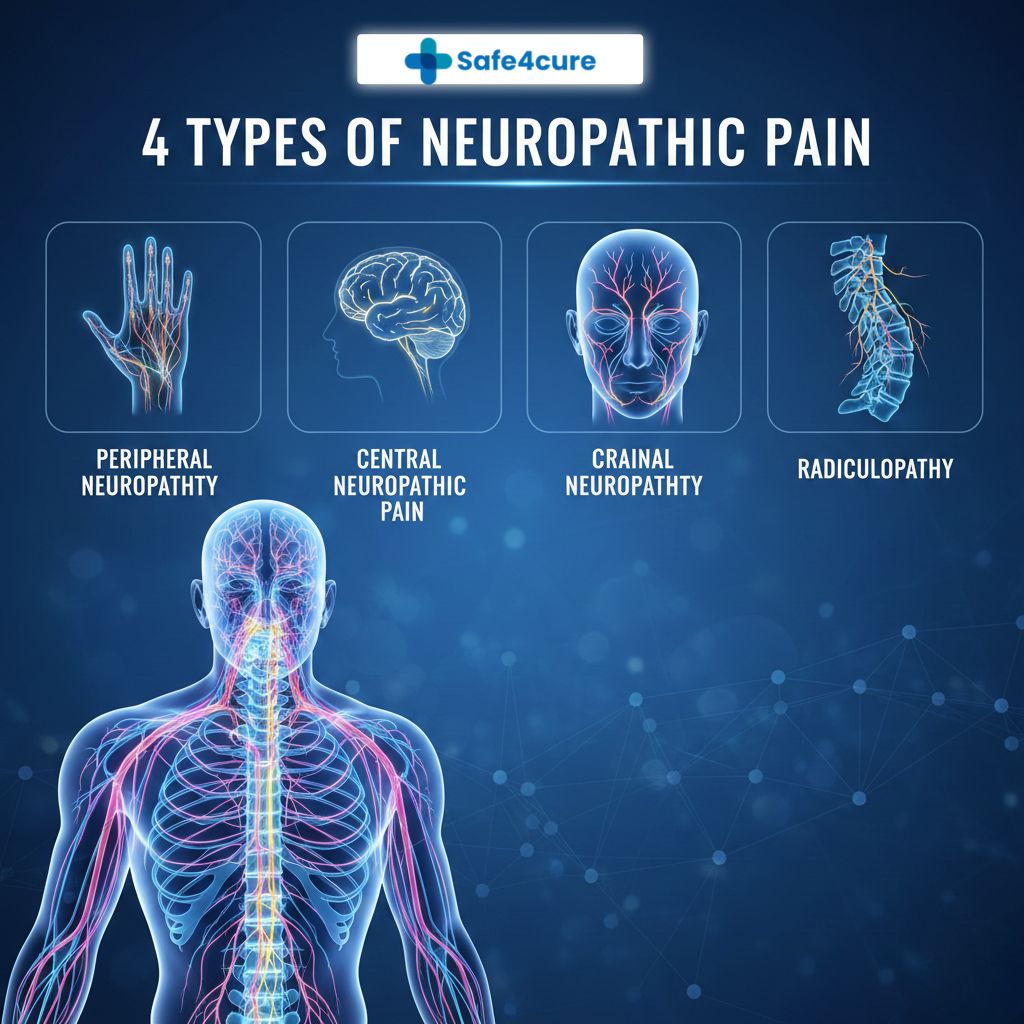
Neuropathic pain is categorized into four distinct types based on where the nerve damage occurs and the underlying cause. Let’s examine each one in detail:
1. Peripheral Neuropathy
Peripheral neuropathy is the most common form of neuropathic pain, affecting the nerves in your extremities particularly your feet and hands. When these peripheral nerves are damaged, they send incorrect signals to your brain, resulting in burning pain, numbness, tingling, and weakness.
This condition commonly develops due to diabetes (diabetic peripheral neuropathy), vitamin B12 deficiency, infections, or as a side effect of chemotherapy. In cities like Los Angeles, Houston, and Phoenix, healthcare providers report high incidence rates of diabetic neuropathy due to the prevalence of diabetes in these regions.
Common symptoms include burning pain in the feet that often feels worse at night, inability to feel objects with your hands, and difficulty walking due to foot weakness. The pain might feel like you’re walking on hot coals or that your feet are on fire.
2. Central Neuropathic Pain (CNP)
Central neuropathic pain occurs when the brain or spinal cord itself is damaged or dysfunctional. This is often the result of stroke, spinal cord injury, multiple sclerosis, or Parkinson’s disease. Unlike peripheral neuropathy that affects just the limbs, central pain can affect large areas of the body.
Patients report sensations of burning, coldness, or aching that can be quite severe and affect their entire quality of life. Treatment for central neuropathic pain often requires specialized neurologists, and cities with major medical centers like Boston, New York, and San Francisco have excellent specialty care available.
One distinguishing feature is that the pain typically appears on the opposite side of the body from where the central nervous system damage occurred, which helps physicians diagnose this specific type.
3. Cranial Neuropathy
Cranial neuropathy involves damage to any of the 12 cranial nerves that control sensation and movement in the face and head. Bell’s palsy (affecting the facial nerve) is one of the most well-known examples. Trigeminal neuralgia, which causes sudden, severe facial pain, is another serious type of cranial neuropathy.
Symptoms vary depending on which cranial nerve is affected but may include facial pain, difficulty chewing, vision problems, or hearing loss. A pinched nerve in the cranial region can cause intense, shooting pain that affects quality of life significantly.
Major metropolitan areas like Chicago, Atlanta, and Dallas have leading neurology departments that specialize in treating cranial neuropathies with both medical and surgical interventions.
4. Radiculopathy
Radiculopathy occurs when a nerve root is compressed or irritated, typically in the spine. This is often caused by a herniated disc or bone spurs putting pressure on the nerve. It’s similar to having a pinched nerve in your back or neck.
The burning pain typically radiates from the spine down the arm or leg, following the path of the affected nerve. Sciatica, pain that runs down the leg from a pinched sciatic nerve, is the most common type of radiculopathy. The pain might feel like burning, electrical sensations, or sharp stabbing feelings.
Treatment may range from physical therapy to surgical intervention, depending on severity. Cities throughout the United States have orthopedic and neurological specialists trained in managing radiculopathy effectively.
Understanding Neuropathic Pain Symptoms
Regardless of the type, neuropathic pain has some characteristic symptoms that differ from regular pain. Common symptoms include:
- Burning pain: A sensation of heat or fire, particularly in affected areas
- Tingling sensations: “Pins and needles” feelings that may come and go
- Numbness: Loss of sensation in specific areas, making tasks difficult
- Electrical sensations: Sharp, shooting pains that feel like electric shocks
- Weakness: Muscle weakness in affected areas, particularly with peripheral neuropathy
- Sensitivity to touch: Even light touch causes pain (allodynia)
- Loss of balance: Difficulty with coordination due to sensory loss
These symptoms can range from mild to severely disabling. In many cases, neuropathic pain worsens at night, disrupting sleep and affecting daily quality of life throughout the nation.
Drug Treatment for Neuropathic Pain
Treating neuropathic pain often requires a comprehensive approach, and medication is a cornerstone of management for many patients. The FDA has approved several medications specifically for treating neuropathic pain, and many others are used off-label with good results.
First-Line Medications
Gabapentin is one of the most commonly prescribed medications for neuropathic pain treatment across the United States. Originally developed to treat seizures, gabapentin has proven highly effective for nerve pain. The typical gabapentin dose for neuropathic pain starts low and gradually increases to find the optimal therapeutic level for each patient.
Gabapentin Dosing Information:
Initial dose: Usually 300mg once daily
Maintenance: Typically 1,800-3,600mg daily divided into three doses
Maximum: Generally not exceeding 3,600mg per day
Note: Individual doses are adjusted based on kidney function and patient response
Pregabalin (Lyrica) works similarly to gabapentin and was the first FDA-approved medication specifically for diabetic peripheral neuropathy and post-herpetic neuralgia. Typical dosing ranges from 150-600mg daily divided into two or three doses.
SNRIs and SSRIs: Medications like venlafaxine and duloxetine are proven effective for peripheral neuropathy. Duloxetine is FDA-approved for diabetic peripheral neuropathic pain.
Other Drug Treatment Options
| Medication Class | Examples | Common Uses |
|---|---|---|
| Anticonvulsants | Gabapentin, Pregabalin, Lamotrigine | Various neuropathic pain types |
| Antidepressants | Amitriptyline, Duloxetine, Venlafaxine | Peripheral neuropathy, central pain |
| Topical Agents | Lidocaine patch, Capsaicin cream | Localized nerve pain |
| Opioid Medications | Tramadol, extended-release opioids,Tapentadol | Severe, refractory pain,neuropethic pain (when other treatments fail) |
Healthcare providers in major U.S. cities from Seattle to Miami carefully consider each patient’s specific diagnosis, other medical conditions, and medication interactions before prescribing. The goal is to find the most effective drug treatment with the fewest side effects.
Comprehensive Neuropathic Pain Treatment Approach
While drug treatment is important, treating neuropathic pain effectively typically requires a multi-faceted approach:
Non-Pharmaceutical Treatments
- Physical Therapy: Helps improve strength, balance, and reduce pain in peripheral neuropathy
- Occupational Therapy: Teaches adaptive strategies for daily living with nerve damage
- TENS Units: Transcutaneous electrical nerve stimulation can provide temporary relief
- Acupuncture: Some studies suggest it may help reduce neuropathic pain
- Lifestyle Modifications: Weight management, exercise, and stress reduction all help
- Pain Management Programs: Specialized clinics across the U.S. offer comprehensive pain management
Frequently Asked Questions
Q: What’s the difference between neuropathic pain and regular pain?
Regular pain alerts your body to tissue damage like burning your hand. Neuropathic pain occurs when the nervous system itself is damaged or malfunctioning, even without active tissue damage. The pain signals are abnormal and may persist long after the initial injury heals.
Q: How long does neuropathic pain last?
Duration varies widely depending on the type and cause. Some cases resolve within weeks, while others become chronic and persist for years. Effective treatment can help manage symptoms even in long-lasting cases.
Q: Is gabapentin the only medication for neuropathic pain?
No. While gabapentin is popular, many effective medications exist including pregabalin, duloxetine, amitriptyline, and others. Your doctor will choose the best option based on your specific condition and needs.
Q: Can neuropathic pain be cured completely?
This depends on the cause. Some cases improve or resolve with treatment, especially if the underlying cause is addressed. Others may require long-term management to control symptoms effectively.
Q: What should I do if I suspect a pinched nerve?
Contact your primary care physician or visit an urgent care clinic. They can perform initial evaluation and refer you to a neurologist or spine specialist if needed. Most pinched nerves respond well to conservative treatment like rest and physical therapy.
