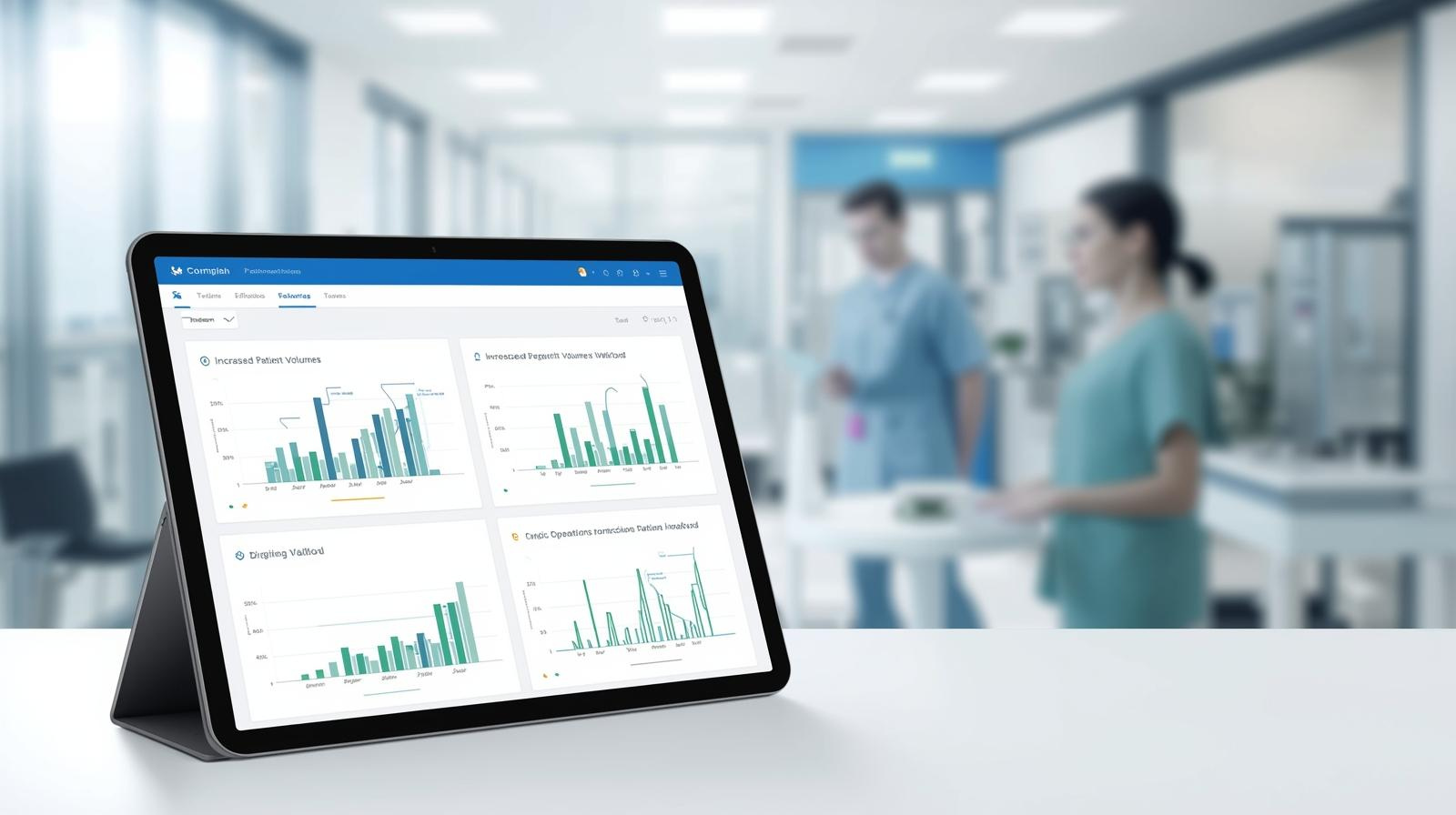
There is pressure on the side of healthcare providers. Rising patient volumes, administrative workload, and evolving regulatory requirements put pressure on healthcare providers. Operating care in disintegrated systems consumes time and resources that ought to be utilized on patients. The right Digital Health Platform addresses these challenges efficiently.
Providers need platforms that integrate data, automate workflows, and provide actionable insights. The systems should be able to integrate with the available EHRs, facilitate value-based care models, and expand with the organizations. Choosing the wrong platform can lead to wasted investment, frustrated staff, and poor outcomes.
Why Digital Health Platforms Matter for Providers
Digital Health Platforms bring together patient data from various sources into a single system that is easily accessible. Providers no longer need to switch between multiple apps. Streamlined access reduces clicks and improves efficiency. Providers get full patient views, real-time alerts on care lapses, automated reports on quality, and facilitate value-based contracts.
The Core Problem: Fragmented Systems
Most providers operate with disconnected tools. Lab results sit in one system, imaging in another, and claims data in a third. Care managers can’t see the full picture without manually piecing together information.
Fragmentation causes:
- Duplicate testing
- Incomplete patient histories
- Delayed care decisions
- Increased administrative burden
This is solved by platforms that aggregate all sources of data. They draw information on EHRs, labs, drugs, and payers into one interface. Everything they need is availed to clinicians without them changing screens.
Value-Based Care Demands Better Tools
Fee-for-service models gave a reward for volume. Value-based care is an incentive that compensates for results. Providers are required to monitor quality measures, population health, and expenditures. This complexity cannot be managed with spreadsheets or legacy systems.
Healthcare AI helps providers identify high-risk patients before conditions worsen. Predictive analytics identify patients at risk of readmission or complications. Care teams intervene early, preventing expensive hospitalizations.
Essential Features of a Strong Digital Health Platform
Choosing a platform requires understanding which features drive results. Not every system provides the same features. The tools that providers are interested in should address the direct care delivery and financial performance.
Comprehensive Data Aggregation
A platform must connect to every data source. This involves the EHRs, claims systems, laboratories, imaging centers, pharmacies, and health information exchanges. Information comes in various forms, and thus the platform must have strong normalization abilities.
Look for:
- Pre-built integrations with major EHRs
- Support for HL7, FHIR, and CCD formats
- Real-time data feeds, not batch updates
- Ability to ingest claims and clinical data
Platforms that consolidate multiple data sources remove blind spots in patient care. Social determinants of health, patterns of medication adherence, and utilization, in addition to clinical records, are viewed by providers.
AI-Driven Clinical Intelligence
The problem with manual chart review is that it is too time-consuming. Digital Health software involves artificial intelligence that reveals actionable insights. The patient data is analyzed by algorithms to recommend the next steps according to the evidence-based protocols.
AI capabilities should include:
- Predictive risk scoring for readmissions and complications
- Automated HCC code identification from physician notes
- Care gap detection for quality measures
- Patient prioritisation based on clinical need
Artificial intelligence supports clinical judgment by highlighting priorities and speeding up decision-making. Doctors do not have to spend much time searching for information and can treat patients.
Point-of-Care Tools
Information is only valuable if available during patient interactions. Platforms require tools of point-of-care that are part of the clinical process. Alerts, care plans, and patient summaries should be available to the providers without exiting their EHR.
Effective point-of-care tools:
- Display full longitudinal patient records
- Show real-time quality measure performance
- Provide recommended actions for care gaps
- Enable documentation within the platform
Care Management Workflows
Care managers coordinate services for complex patients. Platforms must support their workflows with task management, communication tools, and progress tracking.
Essential care management features:
- Customizable care plans and pathways
- Automated task assignments
- Multi-channel patient outreach
- Team collaboration tools
Care managers deal with high-risk cases, transitional case management, and chronic disease programs. The platform must be able to support the various program structures without having to be developed personally.
Quality and Risk Adjustment Support
Value-based contracts condition reimbursement based on quality scores and proper risk recording. Platforms need to monitor measures of MIPS, HEDIS, STAR ratings, and ACO contracts.
Quality management tools should:
- Calculate the measure performance in real time
- Identify patients with open care gaps
- Generate reports for CMS and payers
- Support multiple quality programs simultaneously
Risk adjustment capabilities ensure proper HCC coding. AI extracts diagnosis codes from clinical notes and flags missed opportunities. Providers capture the full acuity of their patient population.
Integration and Interoperability Requirements
Platforms operate within larger technology ecosystems and must integrate seamlessly without disrupting workflows. Powerful integration features make the difference between the improved and the impaired daily operations of a platform.
Bidirectional EHR Connectivity
One-to-many data feeds generate information silos. Bidirectional integration implies that there is a flow of data in both directions. The site retrieves data in the EHR and updates it in the reverse direction.
This enables:
- Care plans visible in the EHR
- Quality measure closure documented in charts
- Risk scores accessible to clinicians
- Patient engagement tracked in one place
All the leading EHR vendors, such as Epic, Cerner, Allscripts, and dozens of ambulatory systems, should be supported on the platforms. Timelines of implementation are also important. Look for platforms that connect to EHRs in weeks, not months.
Flexible API Architecture
Healthcare technology evolves rapidly. Platforms need open APIs that allow custom integrations with new tools as they emerge.
API capabilities should support:
- Third-party application connections
- Custom reporting tool integration
- Data exchange with payers and health plans
- Integration with remote monitoring devices
Closed systems lock providers into vendor roadmaps. Open architectures provide flexibility to adapt as needs change.
Data Security and Compliance
Patient information must have a high level of protection. The platforms should comply with the HIPAA regulations, SOC 2 certification, and effective security measures.
Security essentials include:
- Encryption at rest and in transit
- Role-based access controls
- Audit logging for all data access
- Business associate agreements with vendors
Compliance extends beyond security. Platforms should support Meaningful Use attestation, MACRA reporting, and state-specific requirements.
Implementation and Support Considerations
The implementation of technology is as good as the technology itself. Providers require suppliers who have knowledge of healthcare processes and good support. The correct partner facilitates the process of deployment and success in the long run.
Rapid Implementation Timelines
Extended implementations slow value realization and frustrate staff. The most efficient platforms can go live in weeks rather than months.
Fast implementations require:
- Pre-configured workflows for common use cases
- Automated data mapping and validation
- Minimal customization needs
- Proven implementation methodology
Some platforms connect to data sources and go live in under 30 days. Others take six months or longer. Ask vendors for typical timelines and references from recent implementations.
Training and Adoption Support
Staff resistance kills platform success. Vendors should provide comprehensive training tailored to different user roles.
Training should cover:
- Clinician workflows for care delivery
- Care manager case management processes
- Quality reporting for compliance staff
- Analytics interpretation for leadership
Ongoing support matters too. Look for vendors with responsive help desks, dedicated account teams, and regular optimization reviews.
Evaluating Vendor Experience and Track Record
Platform capabilities matter, but so does vendor credibility. Providers should assess experience in healthcare and proven results. A vendor’s history reveals whether they understand the complexities of care delivery.
Healthcare-Specific Expertise
Generic software companies don’t understand healthcare workflows. Look for vendors with deep industry experience.
Indicators of expertise:
- Leadership with clinical and operational backgrounds
- Long-term partnerships with major health systems
- Published case studies with measurable outcomes
- Recognition from industry analysts
Vendors with two decades in healthcare understand regulatory changes, payment model shifts, and care delivery challenges. They develop platforms that meet the practical needs of healthcare providers.
Proven Results with Similar Organizations
Ask vendors for references from organizations like yours. A platform that works for large health systems may not fit small physician groups.
Reference questions to ask:
- How long did the implementation take?
- What results have you achieved?
- How responsive is support?
- Would you choose this vendor again?
Look for documented outcomes like reduced readmissions, improved quality scores, and savings under value-based contracts.
Wrap Up
Digital Health Platforms that consolidate data, simplify processes, and provide insights at the point of care are required by providers. The appropriate platform allows value-based care, results in better outcomes, and grows with the development of the organization. Long-term success depends on seamless integration, rapid deployment, and reliable vendor support.Persivia provides an AI-powered Digital Health Platform for modern healthcare. The CareSpace® platform is a big data tool that unites the data of thousands of sources, integrates with all major EHRs, and supports the needs of any value-based care model. Persivia is a 20+ years-old expert who successfully assists hundreds of hospitals to attain quantifiable savings, reduced readmissions, and improved clinical performance.
