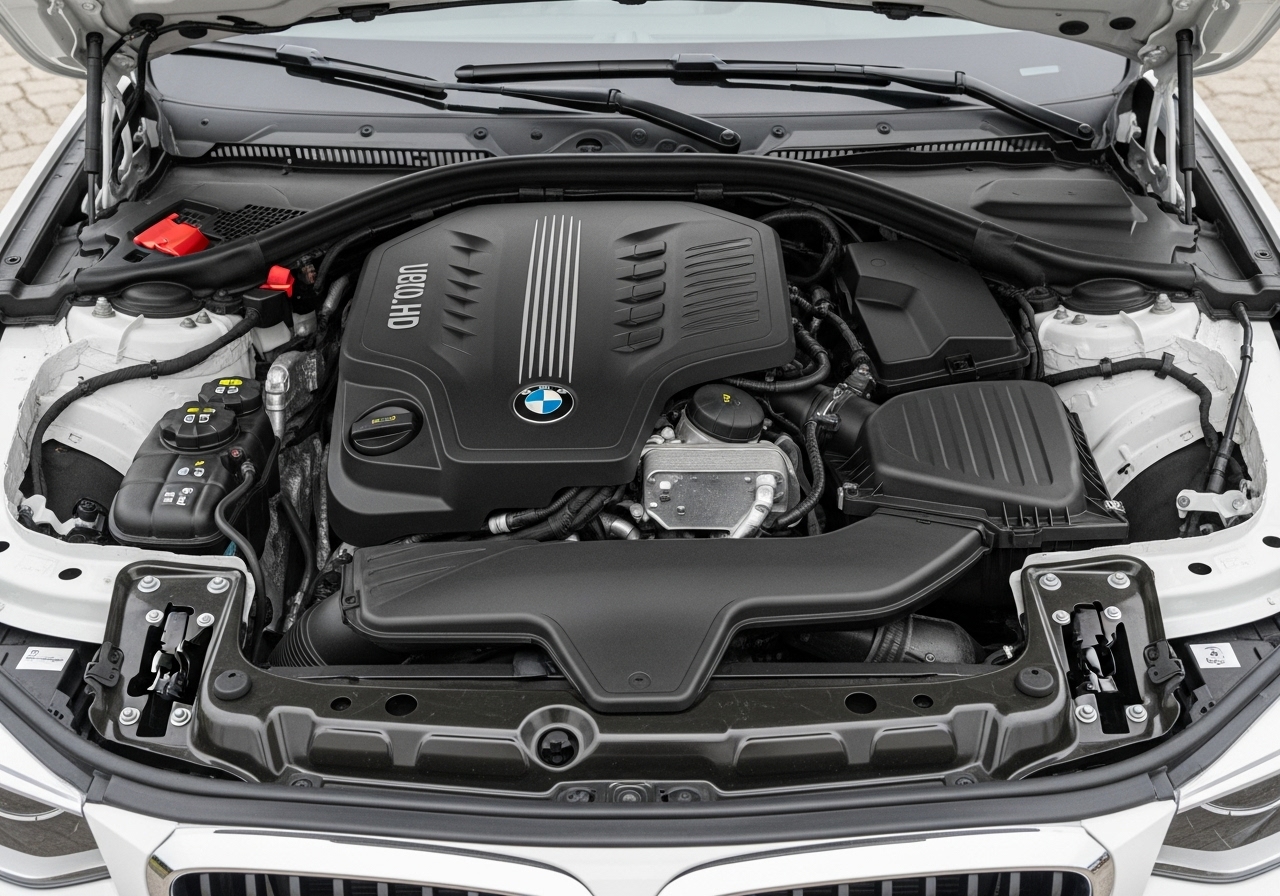
Keeping a car for more than 15 years is a smart way to save money. Older vehicles need extra care to stay safe on the road. Using a steady routine keeps your ride running for a long time.
Here is a clear guide on the most important work for aging transport.
1. Engine Oil and Filter Care
Oil is the most vital liquid in any high-mileage motor. It stops metal parts from rubbing together and breaking. As a car gets older, the gaps inside the engine grow and rubber seals get dry. This makes good lubrication very important to stop damage.
To look after an old motor, swap the oil and filter every 5,000 to 7,500 kilometres. Using special high-mileage oil helps a lot. These liquids have “seal conditioners” that make dry gaskets soft again. This stops oil from leaking onto your driveway. These oils also have extra cleaners to scrub away dirty sludge that builds up over 10 years of driving.
2. Fixing the Cooling System
The cooling system stops the engine from getting too hot. Heat is the main reason old cars break down. After 15 years, the plastic radiator parts get brittle and rubber hoses lose their stretch. This means they might pop suddenly while you drive.
To keep things cool, look for white crusty spots near the hose clips. This shows a small leak. Flushing out the old coolant every two years removes rust and dirt that blocks the radiator. Two parts to watch closely are the thermostat and the water pump. These often fail after 150,000 kilometres and need a fresh start.
3. Gearbox and Drivetrain Health
People often forget about the gearbox, but fixing it costs more than almost any other repair. Over time, the transmission fluid gets dirty and loses its grip. This makes shifting gears feel rough.
Check the level and “look” of the fluid every month. Fresh fluid is bright red. If it looks dark brown or smells burnt, it is time for a change. For cars that have driven over 200,000 kilometres, a simple “drain and fill” is better than a high-pressure flush. This protects old seals from breaking under pressure.
4. Smoothing the Ride and Steering
Worn-out parts under the car make driving feel wobbly and unsafe. Rubber bits, metal joints, and shocks wear down after 15 years. This leads to loud “clunk” noises and makes your tyres wear out too fast.
To make the car feel new again, replace the shocks if the body bounces a lot after a bump. Check the rubber boots on the steering rack for any grease leaks. There are 3 clear signs your suspension is tired: uneven tyre wear, a shaking steering wheel, and oily fluid leaking from the shocks. Fixing these keeps your car pointing in the right direction.
5. Keeping Brakes Strong
Brakes are the most important safety part of any car. Older rides often have rusty metal lines or brake parts that get stuck. Brake fluid acts like a sponge for water. Over time, this moisture causes rust inside the system
Test the fluid for water every 12 months. Putting in fresh fluid every two years stops the brake pedal from feeling “soft.” It also gives you the best stopping power in an emergency. Inspect the rubber brake hoses for tiny cracks. These parts need replacing every 10 years to ensure they do not burst.
6. Changing the Timing and Drive Belts
The timing belt is a vital part that keeps the engine in sync. If this belt snaps, the heavy metal parts inside the engine smash into each other. This usually destroys the whole motor instantly.
Most car makers say to change this belt every 100,000 kilometres or every 7 years. If you bought a 15-year-old car and do not have the service books, change the timing belt and water pump right away. At the same time, check the long “serpentine” belt for cracks. This belt runs your battery charger and power steering.
7. Battery and Electric Power
Old electrical wires get rusty and cause problems. A weak battery makes the alternator work too hard. This leads to two parts breaking instead of one, which might leave you stuck on the side of the road.
Use a wire brush to scrub the white powder off the battery terminals. Putting a little bit of grease on the metal stops the rust from coming back. For very old cars, it is smart to check the spark plug wires too. If the plastic on the wires is cracked, the engine loses power and uses too much petrol.
Good and Bad Points of Keeping an Old Car
Looking after an aging car is a clever money move. It needs more attention than a brand-new ride, but it costs much less than a big monthly bank loan.
The best parts of keeping an old car include 3 things: no lost value from depreciation, cheaper insurance, and simple parts that are easy to fix at home. Because the car is already old, you do not lose money every month like you do with a new one. The hard parts are finding specific trim pieces and missing out on new safety tech like “auto-braking” or 10 different airbags.
Who is This For?
This advice helps 3 groups of people: students who need a cheap way to get to uni, car fans who love models from the early 2000s, and families on a budget who want to avoid high interest rates.
Keeping a 15-year-old car is easy if you stay organised. By focusing on the engine, cooling, and safety, your car stays a helpful tool rather than a problem. If the repair bills ever get higher than what the car is worth, you can use a professional car removal service. This helps you get some cash back to put toward your next vehicle.
Author info:
Phone: 0405553001
Senior Automotive Expert at Cash For Unwanted Cars
Address: 4 Duntroon St, Brendale QLD 4500, Australia
