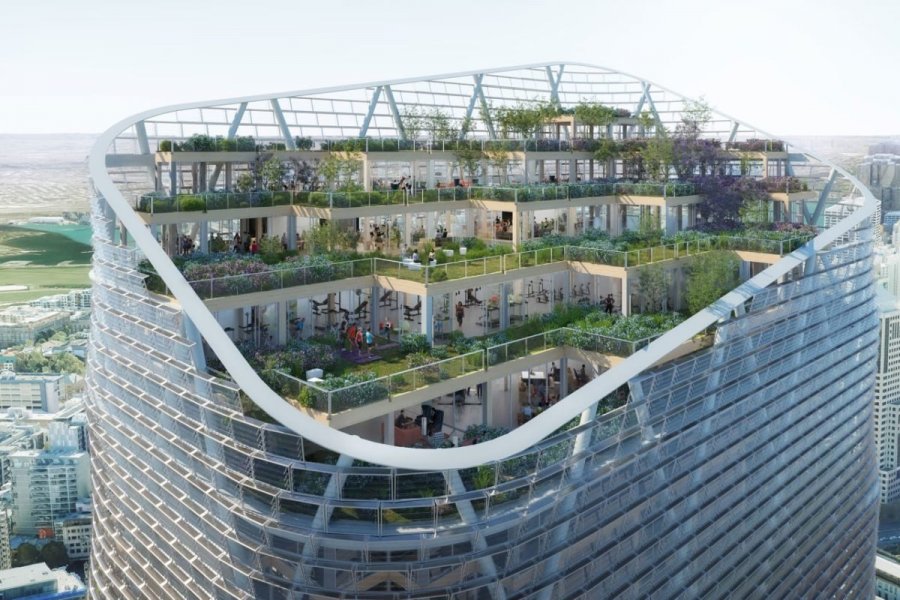
Developers, architects, and engineers are seeking ways to design buildings that minimise environmental effect while maximising value, health, and efficiency as sustainability becomes more essential in modern architecture and construction. Building Research Establishment Environmental Assessment Method (BREEAM) is a popular approach to assess structural sustainability. Since 1990, BREEAM has been a global sustainable construction standard. It helps projects save energy, emissions, and improve attitudes. BREEAM promotes innovative building management and construction technologies and methodologies beyond achieving criteria. This article examines BREEAM’s primary components, benefits, and real-world consequences to improve green construction projects.
1. Comprehensive Sustainability Assessment
BREEAM assessment takes a comprehensive look at how buildings affect the environment. It looks at a lot of things, such as energy consumption, water efficiency, materials, waste management, indoor environmental quality, land use, and ecological value, unlike conventional energy efficiency criteria. BREEAM encourages project teams to think about sustainability at every step of the building’s existence, from design and construction to operation and ultimate renovation or demolition. It does this by giving them a complete evaluation framework. This wide range of projects makes sure that green efforts are not separate from each other. This means that buildings use less resources and have a good impact on the people and places around them.
2. Energy Efficiency and Carbon Reduction
BREEAM focusses a lot of importance on using less energy and lowering carbon emissions, which are both important parts of green building performance. BREEAM-certified buildings use a lot less energy than regular buildings because they have efficient HVAC systems, high-performance insulation, optimised lighting, and renewable energy sources. The combination of modelling at the design stage and continuing performance monitoring makes this very potent. It makes sure that energy efficiency isn’t just a theory; it can be measured. For developers, this means cheaper running costs and a real way to help the environment. For renters, it means a building that is both pleasant and responsible.
3. Enhanced Indoor Environmental Quality
In addition to being ecologically sustainable, green buildings create healthy and productive living spaces. The interior environment (IEQ) is crucial to residents’ health and happiness, according to BREEAM. Natural light, ventilation, acceptable temperatures, adequate sound quality, and minimal VOC levels are needed. BREEAM-compliant new buildings may improve health, productivity, and happiness. Many studies suggest that greater IEQ reduces sick days, engages occupants, and improves performance. This indicates that sustainable design benefits individuals beyond the environment.
4. Innovation in Design and Construction
BREEAM recognises innovative solutions that exceed sustainability criteria to encourage new ideas. Innovative initiatives, such as enhanced building management systems, integrated renewable energy generation, or new garbage management technologies, may be recognised within the framework. This emphasis on fresh ideas drives building progress by pushing architects, engineers, and contractors to innovate. As more individuals employ innovative ways, the building sector improves its environmental impact, raising future standards.
5. Water Conservation and Resource Management
BREEAM extends beyond energy to manage water and other natural resources effectively. To reduce water usage, BREEAM encourages buildings to utilise low-flow fixtures, reuse water, and collect rainwater. The framework promotes ethical material purchases by prioritising recycled, renewable, or local commodities and decreasing building waste. These methods reduce environmental damage and encourage appropriate resource management in the building industry. Water-efficient structures reduce property owners’ operating costs and strengthen resource-poor communities.
6. Lifecycle Approach and Long-Term Performance
BREEAM looks at the whole lifespan of a building, not just the construction or operating phases like some other sustainability standards do. It looks at how the environment will be affected from planning and design to building, operation, maintenance, and eventually renovation or demolition. This method makes sure that buildings are not only built to last, but also stay efficient, strong, and good for the environment throughout their lives. BREEAM-certified buildings are better for the environment and the economy since they last longer, can be changed, and are easy to take care of. This forward-thinking view makes sure that modern projects are built to last, even as how people use them and the environment changes.
Conclusion
BREEAM has changed how modern buildings are planned, built, and used. It gives a complete strategy for sustainability that helps both people and the earth. The methodology leads to demonstrable gains in green building performance by focussing on energy efficiency, water management, indoor environmental quality, innovation, lifecycle performance, regulatory alignment, and community impact. BREEAM certification is more than just an award for architects, developers, and investors. It’s a strategic instrument that makes operations more efficient, improves the health of occupants, and raises the market value. BREEAM is still very important in influencing the future of sustainable design and developing buildings that meet the highest standards of performance, resilience, and sustainability as more people across the world become conscious of climate change and the need to protect the environment.
Visit wellnest for more informative blogs.
