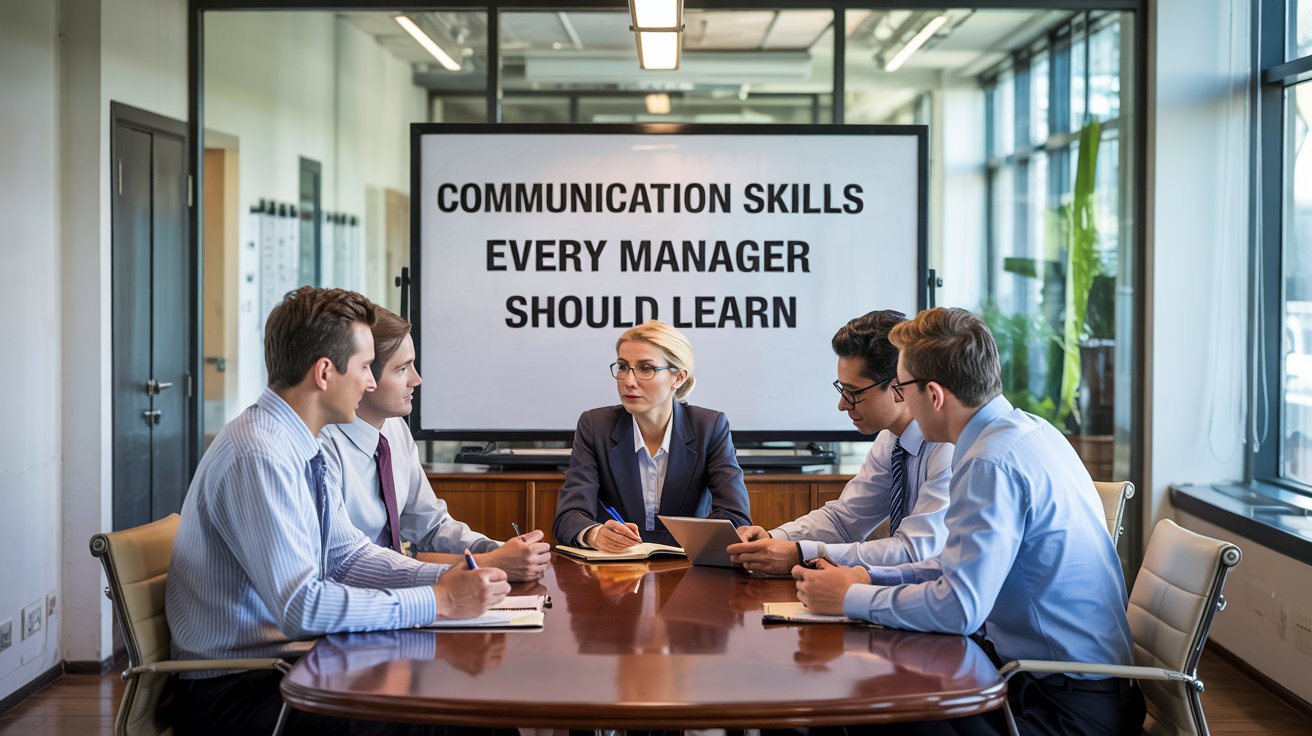
Management is often associated with planning, decision-making, and performance oversight. Yet, the most successful managers understand that their effectiveness depends largely on one core capability: communication. A manager’s ability to convey expectations, build trust, resolve conflicts, and inspire performance directly shapes team outcomes and workplace culture.
Many workplace challenges — missed deadlines, disengaged employees, misunderstandings, and low morale — are not caused by lack of competence but by communication gaps. Managers who intentionally develop communication skills create environments where people feel understood, motivated, and aligned. Tools such as a DISC assessment & behavioural analysis programme are increasingly used to help managers understand communication styles and adapt their approach to different personalities, strengthening team relationships and productivity.
This article explores the essential communication skills every manager should learn, why they matter, and how they transform leadership effectiveness.
The Foundation: Clarity in Communication
One of the most important communication skills for managers is clarity. Employees rely on managers for direction, priorities, and expectations. When instructions are vague or inconsistent, confusion spreads quickly, leading to mistakes and frustration.
Clear communication involves:
- Defining goals and outcomes
- Explaining priorities and timelines
- Providing context behind decisions
- Confirming understanding
Managers often assume their message is understood because they delivered it. However, true clarity requires ensuring the receiver interprets the message correctly. Repetition, examples, and feedback loops help reinforce understanding.
Active Listening: The Most Underrated Leadership Skill
Communication is not only about speaking — it is equally about listening. Active listening builds trust and demonstrates respect. Employees feel valued when managers genuinely consider their input.
Active listening includes:
- Maintaining attention without interruption
- Asking clarifying questions
- Reflecting back key points
- Observing nonverbal cues
Managers who listen effectively gain insights into team challenges, motivations, and concerns. This awareness enables better decision-making and stronger relationships.
Emotional Intelligence in Managerial Communication
Emotions influence workplace interactions more than many managers realise. Emotional intelligence allows managers to recognise their own reactions and respond thoughtfully rather than impulsively.
Emotionally intelligent communication includes:
- Managing tone and delivery
- Showing empathy during challenges
- Remaining calm under pressure
- Understanding team emotional dynamics
When managers communicate with emotional awareness, they create psychological safety. Employees feel comfortable sharing ideas, concerns, and feedback.
Providing Constructive Feedback
Feedback is essential for growth, yet many managers struggle with delivering it effectively. Poorly communicated feedback can damage confidence, while thoughtful feedback motivates improvement.
Effective feedback focuses on:
- Specific behaviors rather than personal traits
- Balanced recognition and improvement areas
- Actionable suggestions
- Collaborative dialogue
Regular feedback prevents surprises during performance reviews and supports continuous development.
Communicating Expectations and Accountability
Accountability thrives when expectations are clear. Managers must communicate not only what needs to be done but also how success will be measured.
Effective expectation communication includes:
- Defined responsibilities
- Measurable outcomes
- Deadlines and checkpoints
- Consequences and support systems
When expectations are ambiguous, accountability weakens. Clear communication strengthens ownership and responsibility.
Conflict Resolution Conversations
Conflict is inevitable when people collaborate. Managers play a critical role in addressing disagreements before they escalate. Communication skills determine whether conflict becomes destructive or productive.
Successful conflict conversations involve:
- Neutral language
- Encouraging open dialogue
- Identifying root causes
- Focusing on solutions
Managers who address conflict early maintain team harmony and trust.
Adapting Communication Styles
Not all employees process information the same way. Some prefer direct instructions; others appreciate discussion and collaboration. Effective managers adapt their communication style based on individual preferences.
Adaptability may involve:
- Adjusting tone and detail level
- Choosing appropriate communication channels
- Considering personality differences
- Recognizing cultural influences
Flexible communication increases understanding and engagement across diverse teams.
Motivational Communication
Managers influence employee motivation through communication. Words, tone, and recognition shape how employees perceive their work and value.
Motivational communication includes:
- Connecting tasks to purpose
- Recognizing contributions
- Encouraging growth
- Celebrating achievements
Employees who understand the impact of their work are more engaged and committed.
Nonverbal Communication Awareness
Communication extends beyond spoken words. Body language, facial expressions, posture, and tone influence how messages are received. Managers must be aware of nonverbal signals to maintain credibility.
Important nonverbal behaviours include:
- Eye contact
- Open posture
- Attentive listening cues
- Consistent tone
Inconsistent nonverbal communication can create confusion or distrust, even when words are clear.
Digital Communication Skills for Modern Managers
Remote and hybrid workplaces require managers to communicate effectively through digital platforms. Emails, messaging tools, and virtual meetings demand clarity and structure.
Digital communication best practices include:
- Concise messaging
- Clear subject lines and action items
- Structured virtual meetings
- Timely responses
Managers who master digital communication maintain alignment regardless of physical location.
Difficult Conversations with Confidence
Managers often avoid difficult conversations related to performance issues, behaviour concerns, or organisational changes. Avoidance, however, creates bigger problems over time.
Effective difficult conversations require:
- Preparation and clarity
- Respectful tone
- Focus on solutions
- Emotional composure
Confidence in addressing challenges builds credibility and trust.
Building Trust Through Transparency
Transparency strengthens relationships between managers and employees. Sharing information openly — when appropriate — reduces uncertainty and builds confidence.
Transparent communication involves:
- Explaining decisions
- Sharing challenges honestly
- Acknowledging mistakes
- Providing updates regularly
Employees trust managers who communicate consistently and authentically.
Encouraging Two-Way Communication
Communication should never be one-directional. Managers who invite dialogue create collaborative environments where employees feel empowered to contribute ideas.
Two-way communication can include:
- Open-door policies
- Regular check-ins
- Feedback surveys
- Team discussions
This approach increases innovation and engagement.
Storytelling as a Leadership Tool
Stories make information memorable and relatable. Managers who use storytelling can inspire teams, explain complex ideas, and reinforce organisational values.
For example, sharing a story about a customer impact can make performance goals more meaningful than presenting numbers alone.
Storytelling connects emotion with information, increasing motivation.
Continuous Improvement in Communication
Communication skills develop through practice and reflection. Managers who seek feedback about their communication style improve more quickly.
Continuous improvement strategies include:
- Self-reflection after conversations
- Training and coaching programs
- Peer feedback
- Observing successful communicators
Growth mindset is essential for communication mastery.
The Long-Term Impact of Strong Manager Communication
Managers influence employee experience more than organisational policies. Communication affects:
- Engagement
- Retention
- Performance
- Culture
- Innovation
Managers who communicate effectively create teams that are aligned, motivated, and resilient.
Over time, strong communication becomes a competitive advantage for organisations.
Conclusion
Communication is not just one of many management skills — it is the foundation that supports all others. From setting expectations to resolving conflicts, and from motivating employees to building trust, communication shapes every aspect of managerial effectiveness.
Managers who invest in developing communication skills create environments where employees feel valued, understood, and inspired to perform at their best. These leaders do more than manage tasks; they lead people.
Ultimately, great managers are remembered not only for results but for how they communicated — clearly, respectfully, and with purpose.
