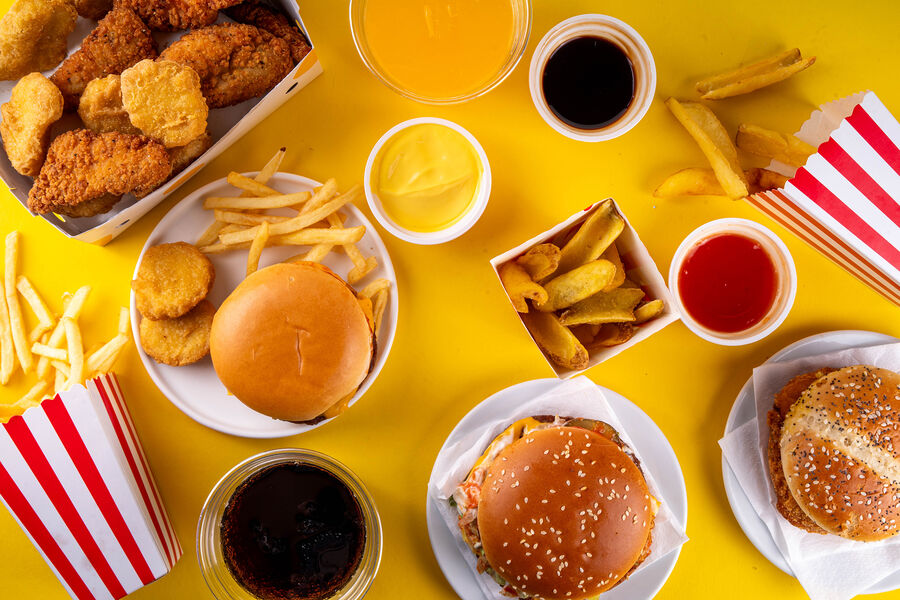
On crowded street corners, drive-thrus, and even our phones, we can get fast food with a few clicks. Despite knowing these items are high in fat, sugar, and salt, many people keep ordering burgers, fries, pizzas, and sugary drinks. But why? What makes fast food so addicting and hard to avoid? Biology, psychology, and environment affect reaction. Several factors make fast food appealing, including how our brains react to processed food flavours and marketing and social norms. Understanding these systems may help us understand and manage severe urges.
The Science Behind Taste and Pleasure
Fast food is designed to pleasure our brains. Scientists call this “bliss point.” Sugar, fat, and salt in the appropriate amounts boost dopamine. The brain sends reward chemicals via dopamine. Every bite of box burger or fries makes you crave more. Sugar offers you an instant energy boost, fat helps meals taste better and fills you up, and salt makes you want to eat more. This combo makes the brain value quick meals above healthier choices. The brain becomes accustomed to this pleasure, causing automatic cravings. Even when you’re not hungry, your brain remembers the reward and makes you give in.
Emotional and Psychological Drivers
Craves are often emotional as well as tasty. Fast food is often used to relax, feel good, or recall the past. Pizza after school, fries with friends, or a burger after a long day may bond people. Stress drives cravings. Stress elevates cortisol levels, which makes individuals crave calorie-dense foods. Eating fast food during these moments provides rapid comfort and temporarily relieves emotional tension. The brain links certain foods to emotional comfort over time. These factors make cravings almost inevitable whether anxious, weary, or bored.
Environmental and Social Influences
The world around us always reminds us of fast food. There are neon lights, messages from delivery apps, and billboards all over the place that make people hungry without them even knowing it. The scent of fried food coming from a restaurant might even make you salivate and make you want to eat more. Social issues are also very important. People typically consume fast food with friends and family, and pizza and burgers are common at festivities. Popular culture often makes gluttony seem cool. These social and environmental signals make us want fast food even more, which makes it hard to avoid even when we know there are better choices.
The Role of Habit and Neural Pathways
Habit building also makes cravings stronger. Every time we consume fast food and like it, the neural circuits in the brain’s reward system get stronger. This makes behaviours that feel routine. This is why people typically grab a burger after work without even thinking about it. The brain has learnt that certain things, such the time of day or the place, may lead to a reward. This is why fast food is the most popular choice. These behaviours can take over logical thinking over time, making desires seem like they can’t be stopped.
Marketing and Sensory Manipulation
The goal of fast food advertising is to change behaviour without people even knowing it. Visual imagery focuses on texture, colour, and plenty, while commercial language focuses on pleasure and fulfilment. Sounds, fragrances, and even the way things are packaged are all done to build excitement. Limited-time offers and value discounts make people feel like they have to act quickly, which can lead to rash judgements. These methods take advantage of how easily the brain gets excited about new things and rewards, which makes it less likely that you will think about things carefully, again time, marketing makes appetites stronger by linking fast food with fun, excitement, and ease of use again and over again.
Nutritional and Physiological Factors
Physiology also causes cravings. Unbalanced meals, poor sleep, and irregular eating affect appetite and fullness hormones. When blood sugar fluctuates when energy supplies are low, the body wants fast fuel. Quick calories from fast food meet these physiological needs. Nutrient deficits can also increase texture and flavour desires. Even while healthier alternatives might better meet the body’s need for balance, it may be misunderstood as a craving for quick food.
Conclusion
Biology, psychology, environment, and culture influence fast food cravings. The perfect sugar, fat, and salt mix makes the brain feel good, and emotions, social factors, and habits make individuals desire it more. Marketing and context boost the temptation to indulge. Hunger signals and vitamin deficiency might make fast food more appealing. Wants are normal, but understanding their origins may help individuals make better choices. Being conscious, setting plans, and eating smartly can satisfy your brain’s demand for reward while maintaining your health and eating habits.
Visit Wellnest for more informative blogs.
