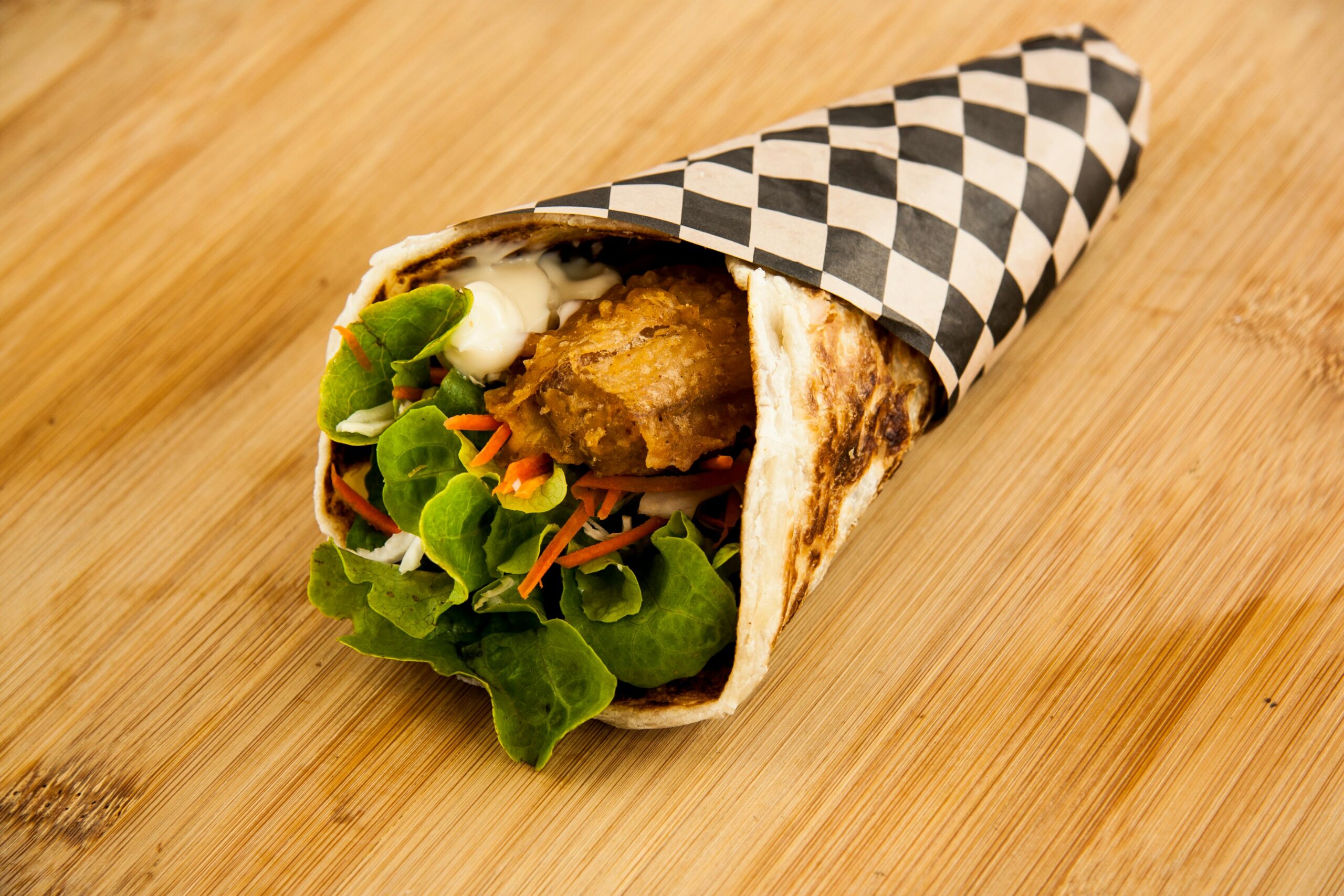
Food wrapping paper is a core packaging solution for restaurants, bakeries, delis, butcher shops, and fast-casual brands. It protects freshness, maintains hygiene standards, and strengthens presentation at the point of sale. In competitive food markets, packaging quality directly influences customer perception and repeat business.
Modern food businesses require wrapping solutions that perform under pressure. Orders move quickly. Food travels farther. Customers expect clean, secure, and professional packaging every time. Choosing the right paper is not a small operational detail. It is a strategic decision that affects brand image, safety compliance, and long-term profitability.
This comprehensive guide explains materials, features, safety requirements, sustainability factors, and purchasing strategies so businesses can make confident buying decisions.
Why Packaging Quality Impacts Food Businesses
Food packaging is the first physical interaction customers have with their order. Before tasting the product, they evaluate how it is presented. Strong, clean wrapping builds trust. Weak, greasy, or torn paper damages reputation.
High-quality wrapping solutions help maintain texture and temperature. They prevent grease leaks and moisture transfer. They support safe handling during delivery and takeaway service. They also reduce complaints and product waste.
Operational efficiency improves when packaging performs reliably. Staff wrap items faster. Customers handle food more comfortably. Delivery drivers transport orders without leakage or mess. These small advantages compound over time and create measurable business benefits.
Types of Wrapping Paper Used in Commercial Kitchens
Different food categories require different paper characteristics. Understanding material differences helps operators select the most suitable option.
Grease-resistant paper is commonly used for burgers, fries, pastries, and fried foods. It blocks oil migration and keeps hands clean during consumption. This material is ideal for high-volume quick-service operations.
Wax-coated paper works well for cold foods and light moisture protection. It is often used for deli meats, cheese, and sandwich wraps. However, it is not designed for oven use or high heat exposure.
Parchment paper is engineered for baking and elevated temperatures. Bakeries and commercial kitchens rely on it for oven applications and non-stick performance.
Butcher paper is thicker and stronger. It is widely used for fresh meat handling, smoking processes, and refrigeration storage. Its durability makes it suitable for heavy food items.
Custom-printed sheets offer branding advantages. Restaurants that prioritize brand identity often invest in printed paper featuring logos or patterns. Suppliers such as thedelipaper.com provide customization services that align packaging with brand aesthetics while maintaining food-grade standards.
Core Features to Evaluate Before Purchasing
Selecting the right wrapping material requires careful analysis of performance and compliance.
Food safety certification should always be verified. Materials must be approved for direct food contact and manufactured under regulated conditions. Documentation ensures protection against chemical migration and contamination risks.
Moisture and grease resistance are essential performance indicators. Foods with high oil content require stronger barriers. Steam-producing items demand breathable yet protective paper.
Durability matters during handling and transport. Thin sheets tear easily, especially during rush hours. Strong fiber structure supports consistent wrapping Food Wrapping Paper Guide Types, Benefits speed and product protection.
Ink safety is crucial when ordering printed sheets. Only food-safe inks should be used to avoid contamination risks.
Sustainability also influences purchasing decisions. Many businesses now prioritize recyclable or compostable materials to reduce environmental footprint and meet customer expectations.
How Wrapping Paper Supports Brand Image
Packaging communicates professionalism. Clean wrapping signals attention to detail. Consistent presentation strengthens customer confidence.
Custom printing transforms simple packaging into a marketing tool. Each wrapped item reinforces brand recognition. Social media exposure increases when customers share visually appealing food packaging.
In competitive markets, differentiation matters. Strong branding through packaging can elevate perceived value without increasing food cost.
Cost Efficiency and Bulk Purchasing Strategy
Food operations require predictable supply chains. Running out of packaging during peak hours disrupts service.
Bulk purchasing reduces per-unit cost and ensures inventory stability. However, buyers should consider storage conditions, minimum order quantities, and delivery reliability before committing.
Testing sample batches before placing large orders is recommended. This confirms compatibility with menu items and operational workflow.
Reliable suppliers like thedelipaper.com often provide consistent quality and scalable solutions for growing businesses.
Environmental Responsibility in Modern Food Packaging
Sustainability is no longer optional. Customers increasingly favor businesses that reduce environmental impact.
Eco-friendly wrapping options include recyclable sheets and compostable materials. Some manufacturers now use chlorine-free processing and water-based printing methods.
Environmentally responsible packaging supports brand positioning while maintaining food safety and durability. Businesses that adopt sustainable practices often see improved customer loyalty.
Storage and Handling Best Practices
Proper storage extends the lifespan of wrapping materials. Paper should be kept in dry environments, away from direct sunlight and humidity.
Moisture exposure weakens structural integrity and reduces grease resistance. Maintaining original packaging until use prevents contamination.
Organized storage systems improve operational efficiency and minimize waste.
Regulatory and Compliance Considerations
Food contact materials are subject to strict regulations. Restaurants and food retailers must ensure compliance with national and regional guidelines.
Documentation should confirm food-grade certification and manufacturing standards. Chemical testing for ink and coating safety is also important.
Working with established suppliers reduces compliance risk and ensures consistent quality control.
Matching Paper Type to Menu Requirements
Menu diversity influences packaging needs. Heavy burgers require stronger sheets than light pastries. Hot sandwiches demand heat-resistant materials. Cold deli items benefit from moisture control.
Understanding portion size, serving temperature, and handling method allows for more accurate material selection.
Trial runs help identify potential weaknesses before large-scale implementation.
Advantages Over Alternative Packaging Materials
Some operators consider foil, plastic wraps, or rigid containers as alternatives. However, paper offers distinct advantages.
It provides better breathability for fried foods. It supports eco-friendly disposal practices. It remains lightweight and cost-efficient for high-volume operations. It also allows full-surface customization for branding purposes.
For many food service businesses, food wrapping paper remains the most versatile and practical solution.
Common Purchasing Mistakes to Avoid
Selecting the wrong packaging can create avoidable expenses. Some businesses focus solely on price without evaluating durability. Others ignore Thedelipaper.com grease resistance requirements.
Choosing incorrect sheet sizes leads to waste and inefficiency. Failing to verify supplier certifications increases compliance risk.
Thorough evaluation prevents operational disruptions and protects long-term brand reputation.
Emerging Trends in Food Packaging
Innovation continues to shape commercial packaging solutions. Manufacturers are developing compostable grease barriers that eliminate plastic coatings.
Water-based inks reduce chemical exposure risks. Minimalist designs align with modern branding aesthetics.
Businesses that stay informed about packaging advancements gain competitive advantage in evolving markets.
Strategic Importance of Food Wrapping Paper
Food wrapping paper is more than a basic supply item. It protects product integrity, enhances customer experience, and supports brand positioning.
Reliable materials reduce waste and complaints. Sustainable options attract environmentally conscious customers. Custom printing strengthens marketing impact.
Food businesses that invest in quality packaging create smoother operations and stronger customer loyalty. In a competitive food environment, small improvements in packaging performance can produce significant long-term results.
FAQs
What type of wrapping paper is best for burgers?
Grease-resistant paper is typically the most suitable choice for oily and hot foods like burgers.
Is printed wrapping paper safe for food?
Yes, as long as food-grade inks and certified materials are used during manufacturing.
Can wrapping paper be environmentally friendly?
Many suppliers offer recyclable and compostable options that meet sustainability goals.
How should wrapping paper be stored?
It should be kept in a dry area, protected from humidity and direct sunlight.
Does thickness affect performance?
Yes, thicker paper usually offers better durability, but the right choice depends on the specific food application.
