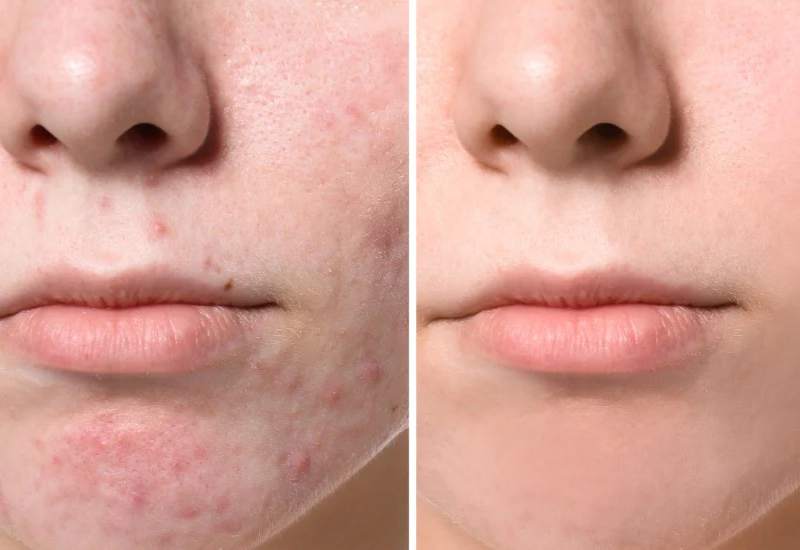
Microneedling downtime is one of the most common concerns for people considering this popular skin rejuvenation treatment. Microneedling, also known as collagen induction therapy, involves the use of very fine needles to create controlled micro-injuries in the skin. These tiny punctures stimulate the body’s natural healing response, boosting collagen and elastin production. While the treatment is minimally invasive and highly effective for improving skin texture, scars, wrinkles, and pigmentation, it does come with a temporary recovery period that varies from person to person.
The concept of microneedling downtime refers to the time your skin needs to heal and return to its normal appearance after the procedure. During this period, you may experience redness, sensitivity, mild swelling, and a feeling similar to a sunburn. These effects are a natural part of the skin’s healing process and are usually short-lived compared to more aggressive cosmetic procedures. Understanding what to expect helps you plan your schedule and avoid unnecessary worry during recovery.
Many people are pleasantly surprised to learn that microneedling downtime is relatively mild. For most individuals, the most noticeable effects fade within 24 to 72 hours. However, subtle healing processes continue beneath the surface for several days as collagen production increases. This is why proper aftercare is essential to ensure the best results and a smooth recovery.
What Happens to Your Skin Immediately After Microneedling
Right after a microneedling session, your skin will appear red and slightly inflamed. This reaction occurs because the micro-injuries trigger increased blood flow to the treated area. The redness can resemble a moderate sunburn, and your skin may feel warm and tight. This is a normal response and an indication that the treatment is working as intended.
Within the first few hours, you may also notice mild swelling and sensitivity. Touching the skin might feel uncomfortable, and you should avoid applying makeup or harsh skincare products during this time. The skin barrier is temporarily compromised, which means it is more vulnerable to irritation and infection. Keeping the skin clean and hydrated is crucial during this initial phase of microneedling downtime.
Some people experience pinpoint bleeding during the procedure, but this stops quickly. By the end of the day, the redness usually begins to subside slightly, though the skin may still look flushed. This stage is the most visible part of microneedling downtime and typically lasts for about 24 hours.
Day-by-Day Breakdown of Microneedling Downtime
On day one after treatment, redness and sensitivity are at their peak. Your skin may feel dry and tight, and you might notice slight swelling. This is the time to be gentle with your skin and avoid sun exposure. Most people prefer to stay indoors or avoid social events during this day due to the visible redness.
By day two, the redness significantly decreases, and your skin starts to feel less sensitive. You may notice mild flaking or dryness as the skin begins to renew itself. This is part of the natural exfoliation process triggered by microneedling. Applying a gentle moisturizer helps soothe the skin and reduce discomfort during this stage of microneedling downtime.
By day three to five, your skin typically returns to its normal appearance. Any peeling or dryness subsides, and you may start to notice a subtle glow. While the surface looks healed, collagen production continues underneath, which is why improvements in texture and tone become more noticeable over the following weeks.
Factors That Affect Microneedling Downtime
Several factors influence how long microneedling downtime lasts. The depth of the needles used during the procedure plays a significant role. Deeper treatments aimed at acne scars or wrinkles may cause slightly longer recovery compared to superficial treatments for skin texture and brightness.
Your skin type and sensitivity also matter. People with sensitive skin may experience more redness and require extra time to heal. Additionally, your overall skin health, hydration levels, and adherence to aftercare instructions directly impact recovery speed.
The skill and technique of the practitioner performing the treatment can also affect downtime. Professional treatments done with proper equipment tend to produce controlled and predictable recovery periods, whereas improper technique can lead to prolonged irritation.
Tips to Minimize Microneedling Downtime
There are several steps you can take to reduce microneedling downtime and promote faster healing. First, avoid direct sun exposure for at least 48 hours after treatment. Sunlight can irritate freshly treated skin and prolong redness.
Second, keep your skincare routine simple and gentle. Use a mild cleanser, fragrance-free moisturizer, and avoid active ingredients like retinol, vitamin C, or exfoliating acids for a few days. These products can irritate sensitive skin during recovery.
Staying hydrated and avoiding heavy makeup also helps your skin breathe and heal naturally. Drinking plenty of water supports the healing process from within, while avoiding makeup prevents clogged pores and irritation.
When to Resume Normal Activities
Most people can return to their normal routine within 24 hours, especially if the redness is mild. However, strenuous exercise, swimming, saunas, and hot showers should be avoided for at least 48 hours, as heat and sweat can irritate the skin.
Makeup can usually be applied after 24 to 48 hours, once the skin barrier begins to restore itself. It’s important to use clean brushes and gentle products to avoid complications during microneedling downtime.
Work and social activities can typically be resumed quickly, making microneedling a convenient option for people with busy schedules. Planning the procedure before a weekend can give your skin extra time to recover comfortably.
Final Thoughts on Microneedling Downtime
Microneedling downtime is relatively short and manageable compared to many other cosmetic skin treatments. While redness and sensitivity are common immediately after the procedure, these effects usually fade within a few days. With proper aftercare and realistic expectations, the recovery process is smooth and uncomplicated for most people.
Understanding microneedling downtime allows you to prepare in advance and ensure optimal results. The temporary discomfort is a small trade-off for the long-term benefits of improved skin texture, reduced scars, and a youthful glow.
