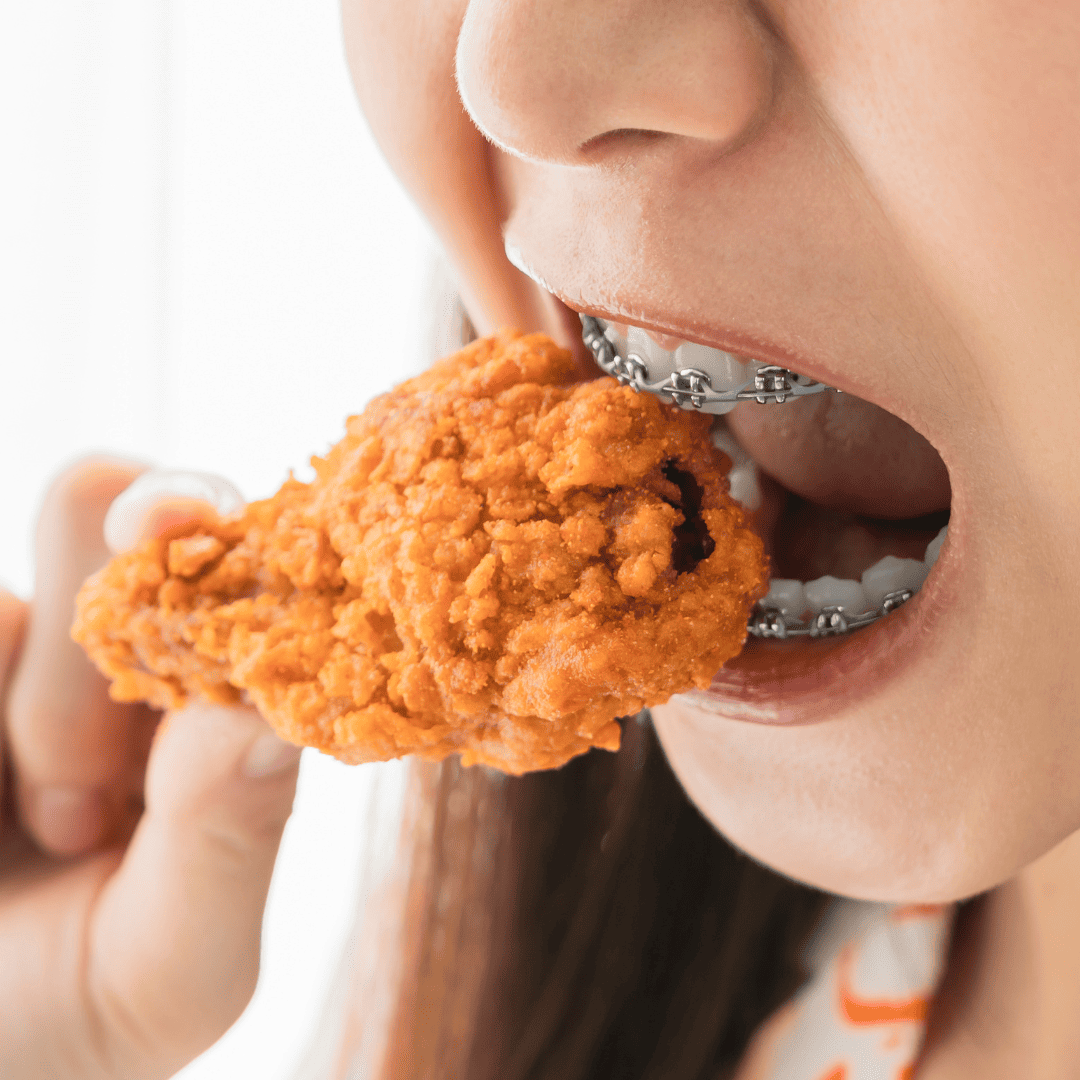
Adjusting to braces can be challenging, especially when it comes to eating. Brackets, wires, and bands create new sensitivity in the mouth, and chewing hard or crunchy foods can cause discomfort or even damage the braces. This is why understanding the best soft foods for braces is essential for anyone undergoing orthodontic treatment. Soft foods reduce pressure on teeth and gums, making meals more comfortable while protecting the dental appliances from breakage.
During the first few days after getting braces or after an adjustment appointment, teeth often feel sore and tender. Eating regular foods during this time can be painful and frustrating. Soft foods for braces provide nourishment without requiring excessive chewing, allowing the mouth to recover while still maintaining a balanced diet. They help minimize irritation and make the adjustment period much easier.
Another reason to focus on soft foods for braces is hygiene. Hard foods can get stuck in brackets and wires, increasing the risk of plaque buildup and tooth decay. Soft, easy-to-clean foods reduce the chances of food particles lodging in difficult areas, supporting better oral health throughout orthodontic treatment.
Best Breakfast Options: Soft Foods for Braces in the Morning
Breakfast can be simple and satisfying when you choose the right soft foods for braces. Oatmeal is one of the best options because it is warm, filling, and easy to chew. You can enhance it with mashed bananas, berries, or honey for added flavor and nutrition without making it harder to eat.
Yogurt is another excellent morning choice. It is smooth, rich in probiotics, and requires no chewing. Adding soft fruits like sliced peaches or strawberries can make it more enjoyable while keeping it gentle on sensitive teeth. Smoothies made from fruits, milk, and yogurt are also perfect soft foods for braces, providing vitamins and energy in an easy-to-consume form.
Scrambled eggs are a great source of protein and are soft enough to eat comfortably. Pair them with soft toast soaked in butter or avocado spread to create a balanced meal that won’t strain your teeth or braces.
Lunch Ideas That Include Soft Foods for Braces
Lunch options can still be delicious and satisfying with soft foods for braces. Soups are an ideal choice because they are easy to eat and come in many varieties. Tomato soup, chicken noodle soup, and creamy vegetable soups provide warmth and nutrition without requiring much chewing.
Mashed potatoes or sweet potatoes make a comforting and filling meal. They are soft, smooth, and can be paired with gravy or soft-cooked vegetables for added flavor. Pasta dishes like macaroni and cheese or soft spaghetti are also great soft foods for braces, especially when cooked until tender.
Sandwiches can still be enjoyed if you choose soft bread and fillings. Peanut butter, cream cheese, or egg salad on soft bread creates a braces-friendly meal that is easy to chew and satisfying.
Dinner Choices Featuring Soft Foods for Braces
Dinner time doesn’t have to be limited when you focus on soft foods for braces. Steamed fish is an excellent option because it is tender, flaky, and packed with nutrients. It requires minimal chewing and is gentle on sore teeth.
Soft-cooked rice with vegetables or tofu can create a healthy and comfortable meal. Stir-fried dishes are acceptable as long as the ingredients are cooked until soft. Avoid crunchy vegetables and instead choose zucchini, carrots, or spinach that have been thoroughly cooked.
Pasta, casseroles, and risottos are also excellent soft foods for braces at dinner. These meals are flavorful, filling, and easy to eat without risking damage to braces or causing discomfort.
Snacks and Treats: Safe Soft Foods for Braces
Snacking is still enjoyable when you pick the right soft foods for braces. Applesauce, pudding, and gelatin desserts are sweet, smooth, and easy to consume. They satisfy cravings without requiring chewing.
Soft fruits like bananas, ripe pears, and melons make excellent snack options. Cottage cheese and yogurt are also convenient and nutritious choices that fit well into a braces-friendly diet.
For treats, ice cream without hard mix-ins is acceptable in moderation. It soothes sore teeth and provides comfort, especially after orthodontic adjustments.
Foods to Avoid While Wearing Braces
Understanding soft foods for braces also means knowing which foods to avoid. Hard foods like nuts, popcorn, and raw carrots can break brackets and wires. Sticky foods such as caramel and chewing gum can get stuck and be difficult to remove.
Crunchy snacks like chips and hard bread crusts should be avoided because they put pressure on the braces. Even some fruits like apples should be cut into small pieces instead of biting into them directly.
Avoiding these foods protects your braces and ensures that your treatment stays on track without unnecessary repairs or delays.
Maintaining Nutrition with Soft Foods for Braces
A common concern is whether soft foods for braces provide enough nutrition. The good news is that with proper choices, you can maintain a balanced diet. Including proteins like eggs, fish, yogurt, and tofu ensures muscle and tissue health.
Fruits and vegetables can still be consumed when cooked or blended into smoothies. Whole grains like oatmeal, rice, and pasta provide energy and fiber. Dairy products supply calcium for strong teeth and bones.
By choosing a variety of soft foods for braces, you can enjoy a nutritious diet that supports both oral health and overall well-being during orthodontic treatment.
Final Thoughts on Soft Foods for Braces
Adapting to braces becomes much easier when you know which soft foods for braces to include in your daily meals. These foods reduce discomfort, protect dental appliances, and make eating enjoyable again.
With thoughtful meal planning and smart food choices, you can maintain good nutrition and oral hygiene throughout your orthodontic journey. Soft foods for braces are not limiting—they are simply a temporary adjustment that helps ensure successful treatment and a healthier smile.
