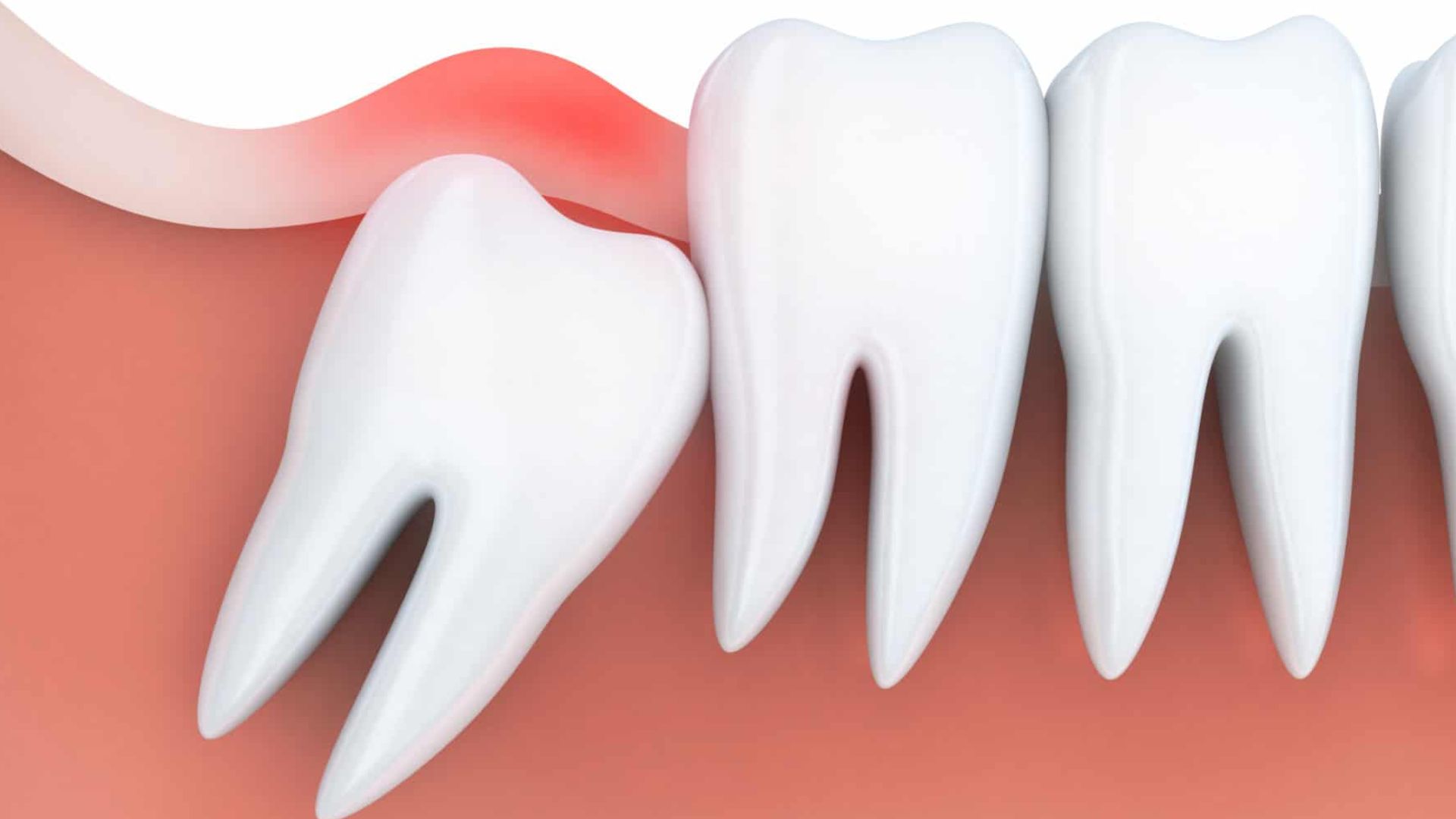
The question “do they break your jaw to remove wisdom teeth” is one of the most common fears surrounding this routine oral surgery. The short, clear answer is no—dentists and oral surgeons do not intentionally break your jaw as part of the standard wisdom teeth removal procedure. This idea is a persistent myth that often stems from misunderstandings about impacted teeth, bone removal during surgery, or rare complications exaggerated in stories online.
Wisdom teeth (third molars) are typically extracted between ages 17–25 when they cause problems like impaction, crowding, infection, decay, or cysts. Modern techniques make the process safe and controlled, with no need to fracture the jaw—even for deeply impacted or awkwardly positioned teeth.
The Truth About Wisdom Teeth Removal
During extraction, especially for impacted wisdom teeth (those trapped in the gum or jawbone), the surgeon may:
- Make a small incision in the gum.
- Remove a limited amount of surrounding bone (using precise tools like drills or piezosurgery ultrasonic devices) to access the tooth.
- Section the tooth into pieces if needed for easier removal.
- Close the site with stitches.
Bone removal is minimal and targeted—only enough to free the tooth—never involving breaking the entire jaw. Advanced imaging like cone-beam CT scans helps surgeons plan precisely, avoiding unnecessary force or damage to the mandible (lower jaw).
The human jaw is strong and resilient; procedures use controlled pressure and specialized instruments to minimize risk. Oral surgeons, who handle most complex cases, undergo extensive training to perform these extractions safely.
Is a Broken Jaw Ever Possible?
While not part of the procedure, a jaw fracture is an extremely rare complication. Studies estimate it occurs in only 0.0046% to 0.0075% of cases—far less than 1 in 10,000 extractions. When it does happen, it’s usually accidental and linked to specific risk factors, such as:
- Osteoporosis or weakened bone density (especially if taking certain medications like bisphosphonates).
- Very thin or atrophic jawbone (common in older patients).
- Severely impacted teeth with complex, curved roots close to the jaw edge.
- Excessive force from inexperience (rare with qualified professionals).
In these exceptional cases, the fracture is repaired immediately or soon after, often with wiring, plates, or other stabilization methods. Choosing an experienced oral and maxillofacial surgeon significantly reduces this already tiny risk.
Why the Myth Persists
The confusion often arises because:
- Patients feel significant pressure or hear bone-related sounds during surgery.
- Small amounts of bone are removed around the tooth (not the jaw itself).
- Rare horror stories get amplified online, overshadowing the millions of uneventful extractions each year.
Reliable sources—from dental associations to oral surgery clinics—consistently debunk the idea that jaw-breaking is routine or necessary.
What to Expect During and After Wisdom Teeth Removal
- Anesthesia options — Local, sedation, or general—keep you comfortable and pain-free.
- Recovery — Swelling, bruising, and soreness are normal for a few days to a week; follow soft-food diets and aftercare instructions.
- When to seek help — Contact your surgeon immediately for severe pain, inability to open your mouth, numbness that persists, or bite misalignment.
Wisdom teeth extraction is one of the most common surgeries worldwide, with excellent safety records when performed by trained professionals.
Frequently Asked Questions (FAQ)
1. Do they break your jaw to remove wisdom teeth? No—it’s a myth. The jaw is never intentionally broken; only minimal, targeted bone around the tooth may be removed if needed.
2. How common is a broken jaw during wisdom teeth removal? Extremely rare (about 0.0046%–0.0075% of cases), usually tied to pre-existing bone weakness or unusual anatomy.
3. Is wisdom teeth removal painful? With proper anesthesia, the procedure itself is painless. Post-op discomfort is manageable with prescribed pain relief and ice.
4. Who should remove my wisdom teeth? For simple cases, a general dentist may suffice. For impacted or complex extractions, an oral surgeon is recommended for added expertise.
5. Can I avoid complications like jaw issues? Yes—choose an experienced provider, disclose your full medical history (e.g., osteoporosis), and follow pre- and post-op instructions carefully.
6. What if my wisdom teeth aren’t causing problems yet? Not everyone needs them removed. Regular check-ups and X-rays help decide if preventive extraction is best.
If you’re facing wisdom teeth issues or preparing for extraction, rest assured: modern dentistry prioritizes safety and precision—no jaw-breaking required. Consult your dentist or oral surgeon for personalized advice tailored to your situation.
