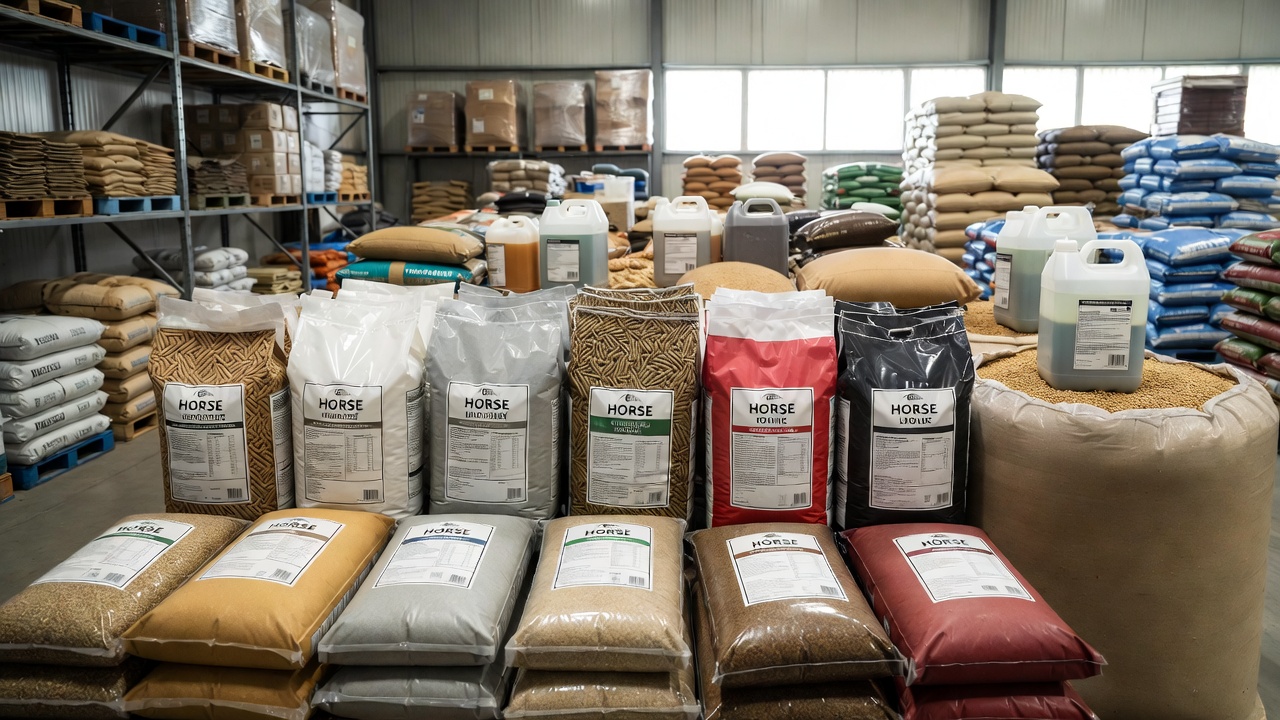
Equine nutrition has become increasingly complex as feed prices fluctuate, ingredient availability shifts, and performance expectations rise. Many horse owners, trainers, and feed retailers struggle with inconsistent feed quality, sudden formulation changes, and unreliable delivery schedules. These challenges don’t just affect budgets—they directly influence digestive health, body condition, and overall performance. As a result, sourcing horse feed wholesale has become a strategic decision rather than a simple purchasing choice, especially for operations managing multiple animals.
Horses are particularly sensitive to dietary changes, and even small inconsistencies in feed can trigger digestive upset or behavioral changes. When feed sourcing lacks stability, barns are often forced into reactive decisions that compromise nutrition programs. This growing gap between nutritional needs and supply reliability is pushing the industry to rethink how equine feed is sourced and managed at scale.
Why Nutrition Consistency Is Critical for Horses
Unlike many livestock species, horses rely heavily on steady fiber intake and carefully balanced nutrients to maintain gut health. Abrupt changes in starch levels, protein sources, or mineral ratios can disrupt the hindgut microbiome, increasing the risk of colic or metabolic stress. Consistency in formulation is just as important as ingredient quality itself.
For performance horses, the margin for error is even smaller. Training intensity, recovery cycles, and competition schedules depend on predictable energy release and nutrient absorption. When feed varies between batches or suppliers, it becomes difficult to maintain optimal condition. Wholesale sourcing helps mitigate this risk by supporting uniform formulations produced under controlled manufacturing standards.
The Rising Demand for Horse Feed Wholesale Solutions
As equine operations scale up, purchasing feed in small quantities becomes inefficient and costly. Boarding facilities, breeding farms, and training centers often require large volumes of feed on a regular basis. Wholesale sourcing addresses this demand by offering structured supply agreements, consistent pricing, and dependable availability.
Beyond cost efficiency, wholesale equine feed sourcing supports long-term planning. Farms can align feed programs with seasonal forage changes, workload cycles, and herd size fluctuations. This predictability allows nutrition strategies to be proactive rather than reactive, which ultimately benefits both animal health and operational stability.
Supply Chain Stability and Its Impact on Horse Health
Feed supply interruptions often force barns to switch products quickly, even when the alternative feed is not nutritionally equivalent. These abrupt transitions can stress horses and undermine carefully managed diets. Wholesale supply models reduce this risk by prioritizing continuity and forward inventory planning.
Reliable suppliers typically forecast demand, secure ingredient sourcing, and maintain production schedules designed to meet ongoing needs. This stability ensures that horses remain on consistent feeding programs, minimizing digestive disturbances and supporting long-term wellness. In an industry where routine is critical, supply chain reliability becomes a direct contributor to animal health.
The Role of Animal Feed Manufacturers in Quality Control
Behind every consistent wholesale feed program is a capable animal feed manufacturer with robust quality assurance systems. Manufacturers play a crucial role in ensuring nutrient accuracy, ingredient traceability, and batch-to-batch consistency. Their expertise extends beyond production into formulation science, regulatory compliance, and ingredient testing.
Experienced manufacturers often collaborate with equine nutritionists to design feeds that account for regional forage variability and common nutritional gaps. This approach ensures that wholesale equine feeds complement real-world feeding conditions rather than relying on generic assumptions. For buyers, working with suppliers connected to reputable manufacturers adds an extra layer of confidence.
How Wholesale Feed Supports Performance and Welfare
Equine performance is closely tied to nutritional balance. Energy availability, muscle development, and recovery all depend on precise nutrient delivery over time. Wholesale feed sourcing supports these outcomes by reducing variability and ensuring consistent nutrient profiles across feeding cycles.
Welfare considerations are equally important. Horses thrive on routine, and consistent feeding schedules paired with stable formulations reduce stress and support digestive health. Wholesale programs help maintain these routines, especially in large operations where multiple caretakers are involved. The result is a calmer, healthier herd with fewer nutrition-related disruptions.
Operational Benefits for Farms, Stables, and Retailers
From an operational standpoint, wholesale sourcing simplifies logistics and inventory management. Bulk ordering reduces the frequency of deliveries, lowers transportation costs, and minimizes storage challenges. For retailers, wholesale partnerships offer predictable margins and reliable stock availability.
Labor efficiency also improves when feed programs are standardized. Staff training becomes simpler, feeding errors are reduced, and daily routines become more streamlined. These efficiencies translate into time savings and lower operational risk, particularly in high-volume equine facilities.
Ingredient Transparency and Modern Buyer Expectations
Today’s horse owners are more informed and selective about feed choices. They expect clear labeling, defined nutrient guarantees, and transparency around ingredient sourcing. Wholesale suppliers aligned with responsible manufacturing practices are better equipped to meet these expectations.
Transparency builds trust not only with end users but also within the supply chain itself. When retailers and barns understand what they are feeding and why, communication with customers improves. This trust reinforces brand credibility and strengthens long-term business relationships.
Choosing the Right Wholesale Equine Feed Partner
Selecting a wholesale feed partner requires more than comparing price lists. Buyers should evaluate formulation consistency, manufacturing standards, logistical reliability, and technical support. A strong partner provides more than feed—they offer nutritional insight, dependable supply, and responsive service.
Equine operations benefit most from partners who understand the nuances of horse nutrition and the realities of large-scale feeding programs. Aligning with knowledgeable suppliers helps ensure that feeding strategies remain consistent, effective, and adaptable as needs evolve.
Conclusion: Building a Sustainable Nutrition Strategy
In an industry where nutrition directly influences health, performance, and welfare, sourcing decisions carry long-term consequences. Wholesale equine feed sourcing addresses many of the challenges faced by modern horse operations, from cost control to formulation consistency and supply stability.
By prioritizing reliable suppliers and responsible manufacturing practices, equine professionals can build nutrition programs that support horses over the long term. A thoughtful wholesale strategy not only protects animal health but also strengthens operational resilience, ensuring that both horses and businesses can thrive in an increasingly demanding environment.
