Introduction to Black Dot on Tongue
Discovering a black spot on tongue can certainly be alarming at first glance—it’s a small, dark splotch that couldn’t belong there! On the bright side, most of the time, a black dot on tongue is not dangerous and will go away by itself or with minimal home treatment. These spots are seldom indicative of serious health issues, but knowing some potential causes can help you decide whether it’s worth watching or whether to see a professional.
The surface of the tongue is coated in small bumps called papillae, which are often able to collect debris, bacteria, or pigments that cause discoloration. But on its own, a black dot on tongue is generally harmless, so long as it’s painless, unchanging and doesn’t come with other signs.
Here are close-up images of common tongue conditions showing black dots, hairy tongue patches, and stained papillae for visual reference:
Typical Causes of Black Dot on Tongue
Here are the most common explanations, according to dental and medical experts:
Black Hairy Tongue
One of the leading causes of dark spots or patches (it may first appear as dots). This occurs when papillae, or taste buds, become elongated and bacteria (as well as other debris) become trapped while dead cells accumulate in the small crevices of the tongue; they add that the result looks “fuzzy,” specifically dark and even black. Benign, and reversible with improved hygiene.
Temporary Staining
Foods and drinks such as coffee, tea, blackberries, soy sauce or beetroot can leave pigments on your tongue. These may appear as tiny black dots on tongue that will disappear within hours to days post brushing or rinsing.
Hyperpigmentation or Pigmented Fungiform Papillae
Regular over-production of melanin can result in flat, harmless brown or black spots, mostly along the sides and corners. Most common in those with darker skin tones and mostly stable over time.
Minor Injury or Trauma
Biting your tongue, hot food burns, piercings and accidental cuts will produce tiny bruises or scabs that may show like a small black dot on tongue. These usually take one to two weeks to heal.
Medications or Chemicals
Some medications (like the bismuth in Pepto-Bismol for an upset stomach, iron supplements, or some antibiotics) can combine with tongue acids and temporarily stain your tongue dark colors like black spots.
Bad Oral Habits or Dry Mouth
Accumulation of bacteria due to infrequent brushing, overconsumption of alcohol/coffee, smoking and dehydration can result in darkening the papillae and will usually appear like individual dots.
Other Uncommon Causes
Vitamin deficiencies (e.g., B12 or folate), oral thrush (commonly white but may entrap pigment), other rare systemic conditions such as Addison’s disease (with generalized pigmentation).
Here are illustrative images of black hairy tongue, stained tongue from food/medication, pigmented papillae, and minor trauma spots:
Is a Black Dot on Tongue Serious?
Although for the most part these are harmless, when should you get checked for a black dot on tongue:
- Persists or grows over weeks.
- Any increase or decrease in size, shape, color, or texture.
- Comes with pain, bleeding, swelling, lumps, open sores that don’t heal properly or are slow to heal.
- Has you struggling to swallow food or beverages.
- Numbs part of your mouth.
- Leaves unpleasant breath.
- A scaly, red spot that looks unusual and does not heal.
In very rare instances, long-standing dark spots may be a sign of oral melanoma or other problems—early visits really do count.
What Should You Do About a Black Dot on Tongue?
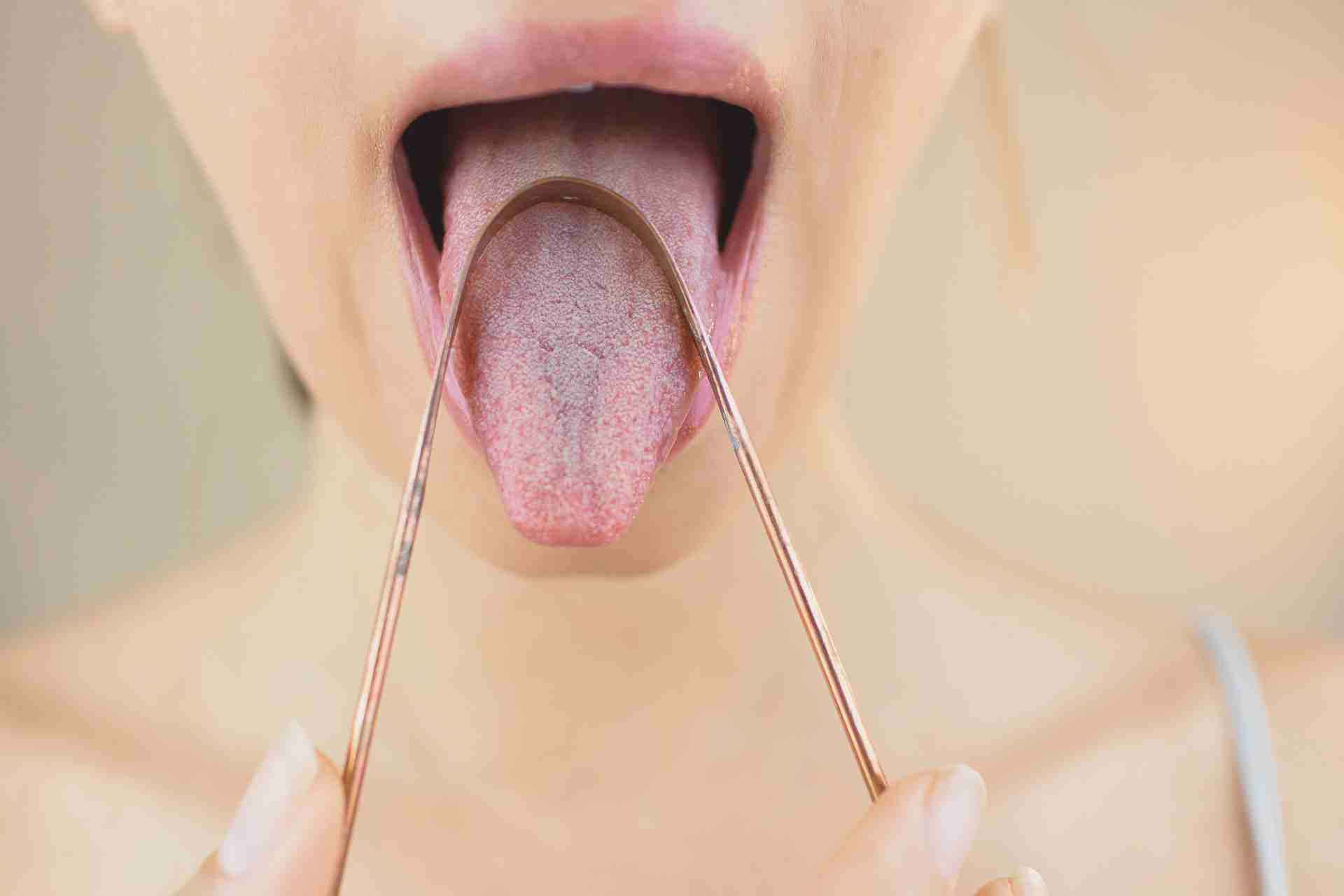
- Give a boost to Oral Cleanliness — Softly brush your tongue every day together with a soft-bristled toothbrush or use a tongue cleaner. Hydrate and rinse after dark drinks/foods.
- Monitor It — Snap a photo so you have it for reference, and watch its progress over 1–2 weeks.
- Steer Clear of Irritants — Limit tobacco, too much caffeine or alcohol, and spicy foods for the moment.
- Go to a Professional — See a dentist or doctor for good measure, especially if it continues or other symptoms develop. They can see it (often using simple tools, or taking a biopsy if necessary) and eliminate concerns.
Most individuals will find that the spot either goes away with normal care or is simply a normal variation.
Here are images showing proper tongue brushing technique, tongue scraper use, and healthy vs. discolored tongue comparisons:
Frequently Asked Questions (FAQ)
Does food cause ear wax?
Not directly for most people. Claims about dairy, gluten, caffeine, spicy foods and sugar largely are anecdotal. Genetics and behavior are much greater influences.
What foods are the worst for causing ear wax buildup?
Dairy (for those of us who are lactose intolerant), wheat/gluten bursts, coffee/caffeine, hot foods and spicy meals and sugary junkie processed sugar fast food high fat greasy sloppy items lead the way in ear care articles.
Can removing certain foods reduce ear wax?
Maybe there is a chance for sensitive (unfortunately such people). Many say they have improved after eliminating dairy or gluten, but outcomes differ — no one-size-fits-all fix.
What can you do to prevent ear wax problems?
Hydration, nourishing diet, good ear hygiene (no deep cleaning) and help from a professional when necessary! Healthy glands, despite the dearth of scientific literature to prove — or disprove — it, may be indirectly supported by omega-3s and antioxidants.
When do I need to see a doctor about ear wax?
If you notice muffled hearing, pain in the ear or mastoid area, itching deep in the ear canal, dizziness or blocking several times a year — don’t attempt home remedies on your own. An ENT or audiologist can remove it for you, without damage.
Is there ever anything dangerous about excess ear wax?
If you don’t treat it, impacted wax can result in temporary hearing problems or an infection, though it’s seldom serious when it’s taken care of correctly.
A black dot on your tongue might be something you lose sleep over, but for the most part — when it comes to your tongue anyway — things change. Stick to good oral hygiene habits, and if anything feels amiss, visit a dentist for customized guidance and reassurance. Stay informed and take care of your oral health!
