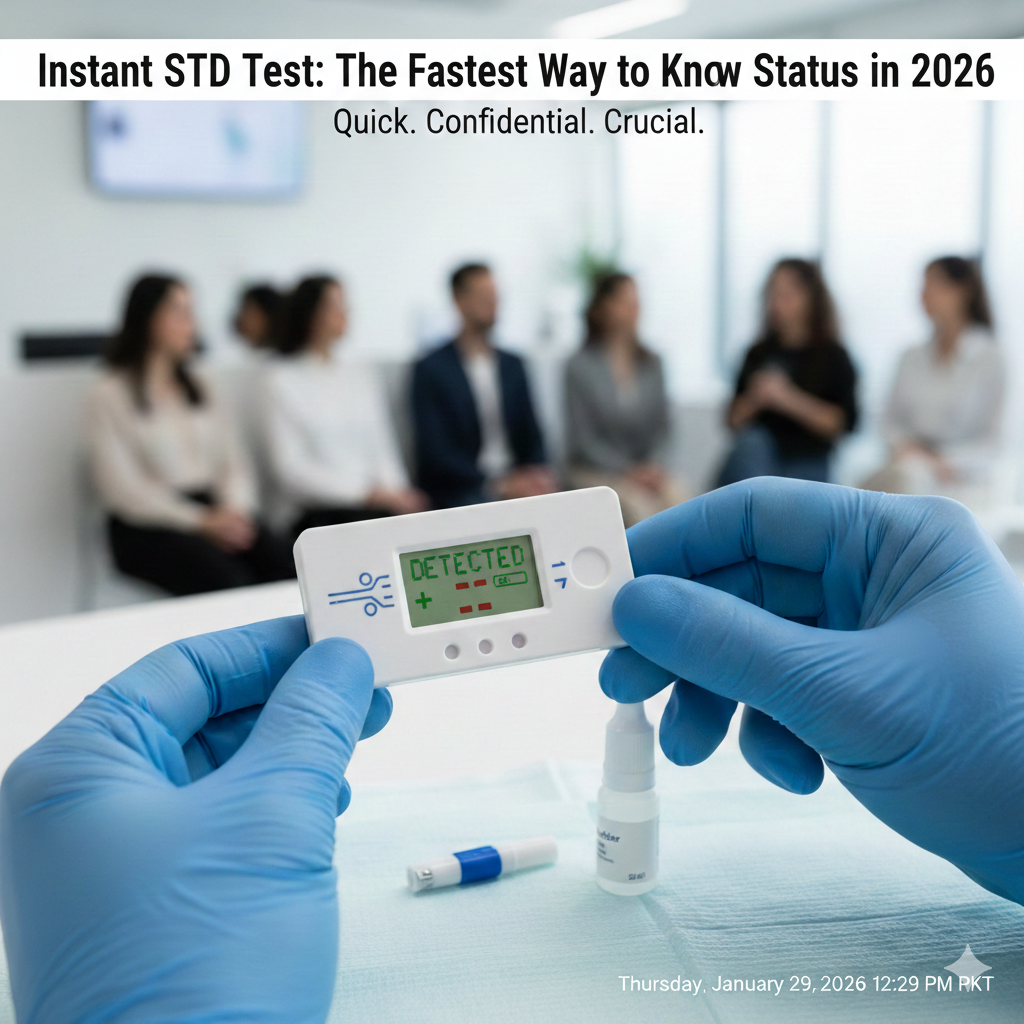
Waiting for medical test results has never been easy. When it comes to sexual health, that waiting period can feel even heavier. Uncertainty brings stress, second-guessing, and sometimes silence people delay conversations with partners or postpone treatment simply because they don’t yet have answers. In 2026, however, sexual health testing looks very different from what it did just a few years ago. Faster diagnostics, better access, and more informed patients are changing the experience completely.
Sexually transmitted diseases continue to affect millions of people each year. The U.S. Centers for Disease Control and Prevention reports that STI rates have steadily increased over the past decade, particularly among young adults and individuals over 50, two groups often overlooked in prevention efforts. What’s consistent across all age groups is the need for early detection. Knowing your status quickly is no longer a luxury; it’s a critical part of protecting personal and public health.
Why speed matters more than ever
Traditional testing models were built around centralized laboratories. Samples were collected, shipped, processed, and reported days later. While scientifically sound, this system left a gap between suspicion and certainty. Research published in Public Health Reports shows that many patients never return for follow-up once they leave the clinic without answers.
This is where rapid STI testing has reshaped expectations. Instead of waiting days, individuals can now receive preliminary results during the same visit. That shift doesn’t just reduce anxiety, it changes behavior. Studies cited by the World Health Organization indicate that same-day results significantly increase treatment uptake and partner notification, two essential factors in reducing transmission.
How instant testing actually works
Rapid tests are designed to detect specific markers in the body, such as antibodies, antigens, or genetic material linked to infections. Depending on the condition being screened, the test may involve a finger-stick blood sample, urine collection, or swab. The science behind these tests has been refined over decades, and many are now approved by regulatory bodies like the FDA.
Unlike older methods, instant tests don’t require complex lab equipment on site. Results are typically available within 15 to 30 minutes, allowing healthcare providers to explain findings immediately. According to The Journal of Clinical Microbiology, this immediacy improves patient understanding and reduces misinformation, a common problem when people search online while waiting for results.
Accuracy, trust, and medical standards
One of the most common questions patients ask is whether faster results mean lower accuracy. Medical evidence suggests otherwise. The CDC confirms that many rapid tests meet high sensitivity and specificity standards when used appropriately. For example, modern rapid HIV tests demonstrate accuracy rates above 99% within recommended testing windows.
That said, responsible providers follow clear protocols. Positive rapid results are often confirmed with additional testing, and negative results may be repeated if exposure was recent. This layered approach balances speed with clinical reliability, maintaining trust in the testing process.
Access plays a bigger role than people realize
Convenience has become a deciding factor in healthcare. Long wait times, limited clinic hours, and scheduling barriers all reduce testing rates. Community-based clinics and urgent care centers help close this gap by offering walk-in availability and extended hours.
In areas served by facilities similar to a Mount Prospect urgent care location, accessibility has a measurable impact. CDC surveillance data shows that communities with same-day testing options report higher screening participation and earlier diagnosis. This matters because untreated STIs can lead to serious complications, including infertility, chronic pain, and increased HIV risk.
The emotional side of knowing sooner
Speed doesn’t just affect medical outcomes, it affects mental health. Uncertainty often leads to avoidance, and avoidance leads to delayed care. A 2022 study in BMJ Open found that patients who received immediate results reported lower stress levels and greater confidence in discussing sexual health with partners. When healthcare professionals can talk through results in real time, patients are more likely to ask questions, understand treatment plans, and take preventive steps. This human connection is an underrated but essential part of effective care.
Treatment decisions happen faster too
For bacterial infections such as chlamydia and gonorrhea, same-day results allow treatment to begin immediately. This reduces the window of transmission and prevents complications. For viral infections like HIV or herpes, early diagnosis opens the door to monitoring, education, and long-term management.A landmark study in The New England Journal of Medicine demonstrated that early HIV treatment dramatically reduces transmission risk. These findings reinforce why rapid diagnostics are not just convenient, they are medically strategic.
Privacy and stigma reduction
Stigma remains one of the biggest barriers to STI testing. Many people avoid traditional clinics due to fear of judgment or exposure. Walk-in medical centers offering discreet services help normalize routine screening.The American Sexual Health Association emphasizes that privacy-focused environments increase testing frequency, especially among first-time patients. When testing feels routine rather than exceptional, people are more likely to make it part of their regular healthcare habits.
Not a replacement, but an upgrade
Instant testing is not meant to replace comprehensive care. Instead, it acts as a gateway. Patients with complex symptoms, recurring infections, or unclear results may still need laboratory diagnostics or specialist follow-up. The strength of rapid testing lies in its ability to remove the first barrier waiting.Medical organizations increasingly recommend integrating rapid screening into broader care pathways. When combined with education, follow-up, and prevention counseling, it becomes a powerful public health tool.
Looking toward the future of sexual health
As technology continues to evolve, instant diagnostics will likely expand to cover more conditions with even greater accuracy. Public health experts predict that decentralized testing models will play a key role in reversing rising STI trends.The takeaway is simple: faster answers lead to better decisions. When people know their status sooner, they protect themselves, their partners, and their communities. That’s why instant STD testing isn’t just a trend for 2026 it’s becoming the new standard of care.
Frequently Asked Questions
1. How fast are instant STD test results?
Most rapid tests provide results within 15–30 minutes during the same visit.
2. Is rapid STI testing reliable?
Yes. Many tests meet CDC and FDA accuracy standards when used correctly.
3. What infections can be detected quickly?
Common screenings include HIV, syphilis, chlamydia, and gonorrhea.
4. Do rapid tests replace lab testing?
They complement lab tests but do not replace confirmatory testing when needed.
5. Why is early testing so important?
Early detection reduces complications, prevents transmission, and improves treatment outcomes.
