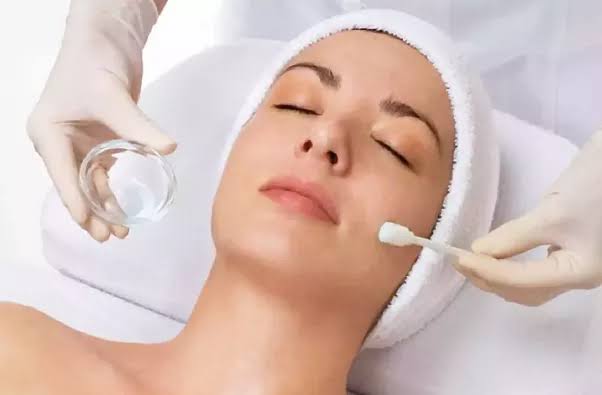
Understanding Skin Aging and the Need for Effective Solutions
As we age, our skin naturally undergoes changes—collagen production declines, elastin fibers weaken, and the skin’s ability to retain moisture decreases. These physiological shifts often lead to fine lines, wrinkles, loss of firmness, uneven texture, and sagging. While traditional surgical procedures once dominated the landscape for skin rejuvenation, many people today seek effective alternatives that deliver noticeable improvements without the risks, costs, and long recovery associated with surgery.
Enter minimally invasive skin treatments—a class of procedures designed to enhance skin appearance with precision and reduced downtime. These treatments leverage modern technology to stimulate the body’s natural healing processes, smooth skin texture, and improve elasticity. By focusing on techniques that require only small incisions, injections, or energy-based applications, minimally invasive approaches offer powerful results while maintaining patient comfort and convenience.
What Does “Minimally Invasive” Really Mean?
In dermatology and cosmetic medicine, minimally invasive treatments refer to procedures that:
- Do not require general anesthesia
- Involve minimal surgical disruption
- Use tiny incisions, needles, or focused energy
- Have shorter recovery times than traditional surgery
Unlike full surgical facelifts or large excisions, these treatments are designed to enhance specific areas of the face and body with minimal interruption to daily life. Common examples include injectable treatments (like fillers and neurotoxins), laser and radiofrequency procedures, microneedling, and non-surgical skin tightening techniques.
Key Types of Minimally Invasive Skin Treatments
1. Injectable Fillers
Dermal fillers are gel-like substances placed beneath the skin to restore lost volume, smooth wrinkles, and enhance facial contours. Commonly used fillers include hyaluronic acid and collagen-stimulating formulations. Results can be immediate, and they often last several months to over a year depending on the formula used.
2. Neurotoxin Injections (e.g., Botox)
Neurotoxins temporarily relax targeted facial muscles, reducing the appearance of dynamic wrinkles—those formed by facial expressions such as frowning or squinting. Results typically last three to six months, and treatments can be repeated for ongoing results.
3. Laser and Light Therapies
Lasers target specific skin concerns—such as pigmentation, fine lines, or texture issues—by delivering controlled thermal energy into the skin. These treatments can stimulate collagen production, smooth texture, and even out tone with minimal discomfort and downtime.
4. Radiofrequency (RF) and Ultrasound-Based Skin Tightening
Devices that use RF or ultrasound energy heat deeper layers of skin to trigger natural collagen remodeling. Over time, this leads to firmer, tighter skin without incisions. Treatments are typically well-tolerated with gradual improvements seen over weeks.
5. Microneedling and Microneedling with Radiofrequency
Microneedling uses tiny needles to create controlled micro-injuries in the skin, which stimulates natural repair mechanisms and boosts collagen production. When combined with RF energy, the effects can be even more significant for tightening and textural improvement.
Benefits of Minimally Invasive Skin Treatments
Minimal Downtime and Disruption
Most procedures require little to no recovery time, allowing patients to return to daily activities quickly. This is ideal for busy individuals who cannot afford extended downtime.
Natural-Looking Results
Because these approaches enhance the skin gradually or restore volume rather than drastically altering features, results often look more natural and harmonious.
Targeted Treatment
Providers can customize treatments to address specific concerns—whether aging signs around the eyes, loss of facial volume, or uneven texture—resulting in more precise improvements.
Reduced Risk Compared to Surgery
With smaller incisions or external energy delivery, minimally invasive procedures typically carry fewer risks of complications like infection, scarring, or anesthesia-related issues.
What to Expect During Treatment
Most minimally invasive skin treatments begin with a consultation to assess goals and skin condition. During the actual procedure:
- Anesthesia (if needed) is usually topical or local.
- Treatments are brief, often under an hour.
- Discomfort is minimal, with many procedures described as tolerable or mild.
- Aftercare may include simple precautions such as sunscreen use and temporary avoidance of strenuous activity.
Results vary by treatment type—some deliver immediate improvement (like fillers), while others (such as RF tightening) show gradual enhancement over weeks as collagen remodels.
Ideal Candidates for Minimally Invasive Procedures
Minimally invasive skin treatments are suitable for individuals who:
- Are beginning to see early signs of aging
- Want to improve skin texture, volume loss, or wrinkles
- Prefer non-surgical options with less recovery time
- Have realistic expectations about results
A professional consultation is essential to determine the most appropriate approach, as each individual’s skin type, age, and goals are unique.
Long-Term Maintenance and Results
While results vary by treatment, many procedures can be repeated or combined for enhanced and long-lasting outcomes. For instance, patients might pair injectables with laser resurfacing or schedule maintenance treatments to sustain results over time.
Consistent skincare routines—including hydration, sun protection, and healthy lifestyle habits—also play a major role in extending benefits and preserving overall skin health.
Conclusion: Effective, Convenient, and Progressive Skin Rejuvenation
Minimally invasive skin treatments offer a compelling path for individuals seeking effective anti-aging and skin-enhancement results without the commitment of traditional surgery. By leveraging advanced technology and focused treatment protocols, these procedures provide targeted improvements with less risk, reduced downtime, and natural-looking outcomes.
Whether addressing the first signs of aging or enhancing long-term skin quality, minimally invasive options empower individuals to feel confident in their skin while supporting a smoother, more youthful appearance. As innovation continues in aesthetic medicine, these treatments continue to grow in precision, safety, and effectiveness—providing modern solutions for age-defying skin care.
