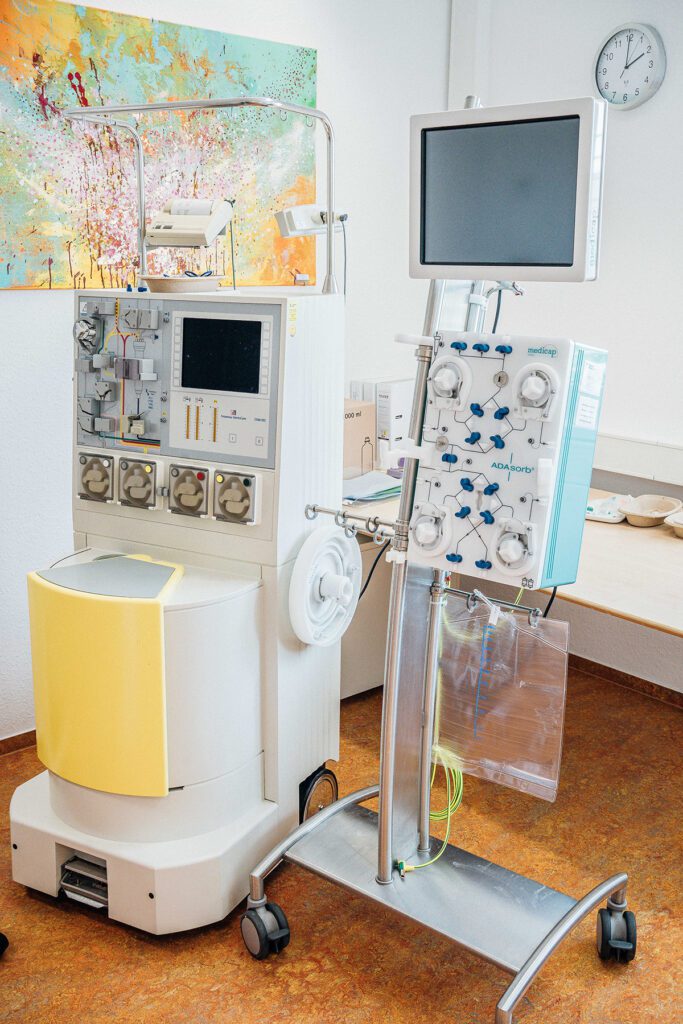
Therapeutic Apheresis is an advanced medical procedure designed to selectively remove harmful components from a patient’s blood. Rather than introducing drugs into the body, this technique works by separating out pathological blood elements such as autoantibodies, LDL cholesterol, immune complexes, or inflammatory mediators and returning cleaned blood to the circulation. It has wide applications in a range of disorders when conventional therapy falls short. This guide explains why patients seek apheresis in Germany, the types available, their advantages, the treatment process, and where you can access these services including specific options such as apherese Frankfurt and other leading centers throughout Germany.
In Germany, therapeutic apheresis has a strong clinical and scientific foundation and is integrated into many renal, hematology, and specialized outpatient services. It’s recognized by national guidelines and supported by professional societies such as the Deutsche Gesellschaft für Nephrologie (DGfN).
Why Choose Therapeutic Apheresis in Germany?
Clinical Expertise and Scientific Standards
Germany is known for its rigorous healthcare standards and cutting-edge technology. Apheresis in Germany is conducted within a framework of national guidelines and quality control systems that ensure safe, evidence-based practice. The Kommission Therapeutische Apherese of the DGfN continuously updates clinical standards for this therapy.
Medical professionals in Germany are experienced in managing complex apheresis treatments and often participate in international research, ensuring that patients benefit from the latest advancements in the field. Moreover, many centers collaborate with universities and research institutes, bridging clinical care with cutting-edge science.
Broad Range of Indications
Therapeutic apheresis is not limited to one condition. In Germany, it’s used for:
- Severe lipid disorders such as familial hypercholesterolemia resistant to medication.
- Autoimmune and rheumatologic diseases where autoantibodies play a central role.
- Neurological conditions like CIDP or NMOSD.
- Post-transplant immunomodulation and complex renal diseases.
The broad clinical use is backed by published guidelines, including region-specific recommendations consistent with international societies.
Access and Multidisciplinary Care
Unlike some countries where apheresis is accessible only in large hospital systems, in Germany you can receive treatment both in major hospitals and specialized outpatient centers. This makes therapeutic apheresis accessible for both residents and international medical travelers who prefer structured, high-quality care environments.
Types of Therapeutic Apheresis
Therapeutic apheresis encompasses several procedural approaches. Each type targets specific blood components for removal:
1. Plasma Exchange (Plasmapheresis)
This method involves removing plasma the liquid portion of the blood and replacing it with a substitute fluid. It’s commonly used in conditions with pathogenic antibodies or toxins.
2. Lipoprotein Apheresis
A specialized form used to remove excess LDL cholesterol, lipoprotein apheresis is vital for patients with severe familial hypercholesterolemia. It has been shown to significantly lower risk factors when medications aren’t enough.
3. Double-Filtration Plasmapheresis (DFPP)
This approach uses two filtration steps to selectively separate and remove pathogenic substances while minimizing loss of beneficial plasma components.
4. Immunoadsorption
In this type, specific antibodies or immune complexes are filtered out using adsorbers, making it especially useful in autoimmune disorders.
5. Whole Blood Adsorption
Here, whole blood is passed through devices that target specific pathological substances without separating plasma first.
These techniques may be offered singularly or in combination, depending on the patient’s condition and the center’s capabilities.
Advantages of Therapeutic Apheresis
Therapeutic apheresis offers several significant advantages over conventional medical therapies:
Targeted Removal of Pathogenic Components
Apheresis directly removes disease-related substances from the blood, which medications often cannot accomplish with such precision.
Improved Metabolic and Immune Function
By reducing harmful proteins or lipids, apheresis can help restore balance in immune responses and metabolism, leading to symptom relief.
Applicable in Refractory Cases
For patients who haven’t responded to drugs or lifestyle interventions, apheresis represents a powerful alternative or adjunctive therapy.
Outpatient Options
Many centers in Germany provide apheresis on an outpatient basis, reducing hospital stays and associated costs.
Evidence-Based Practice
German centers adhere to clinical evidence and professional standards for safety and efficacy, guided by organizations such as the DGTI and DGfN.
Benefits of Getting Apheresis in Germany
Multilingual Support and International Service
Many German apheresis centers provide services in English and support for international patients, including appointment coordination and travel arrangements especially helpful for people coming from abroad.
State-of-the-Art Equipment
Germany invests heavily in medical infrastructure, and advanced apheresis devices including those for apherese Frankfurt and other major German cities are widely available.
Comprehensive Patient Monitoring
Centers provide close monitoring before, during, and after treatments, ensuring optimized care and personalized protocols tailored to your health status.
Integrated Multidisciplinary Approach
Physicians from nephrology, immunology, cardiology, and neurology often collaborate to determine optimal apheresis strategies for complex cases.
Steps to Getting Therapeutic Apheresis in Germany
Navigating apheresis treatment can seem complex, but the following step-by-step guide simplifies the process:
1. Medical Evaluation and Referral
Before scheduling, a detailed evaluation by your doctor is essential. In many cases, a referral from your primary clinician or specialist increases the chance of acceptance and treatment planning.
2. Contact a German Apheresis Center
Reach out to a specialized center such as an established hospital program or outpatient facility. Centers often provide consultation to discuss your condition and appropriate apheresis type.
3. Pre-Treatment Assessment
After contact, the center will request medical records, lab results, and diagnostics. Some clinics offer telemedicine consultations for international patients.
4. Insurance or Payment Planning
Check coverage with your health insurer or arrange for out-of-pocket payment plans. Costs vary based on the number of sessions and procedures required.
5. Treatment Scheduling
Once approved, schedule your Therapeutic Apheresis sessions. Depending on the indication, treatment may occur over several sessions.
6. Follow-Up Care
Post-apheresis monitoring ensures the effectiveness of treatment. Some centers build long-term care plans that may include lifestyle and medication adjustments.
Where to Get Therapeutic Apheresis in Germany
Here’s a non-exhaustive list of reputable locations throughout Germany where therapeutic apheresis services are offered:
1. Apheresis Center Bochum
A dedicated outpatient center offering a range of treatments including whole blood adsorption and double-filtration plasmapheresis for lipid disorders and autoimmune diseases.
2. Thera Praxisklinik Berlin
Provides innovative forms of therapeutic apheresis (sometimes termed “blood washing”) with state-of-the-art filtration techniques as part of a broader integrative treatment program.
3. Apheresezentrum RKU
A neurological and general apheresis therapy center offering immune adsorption and plasma exchange with indications that include autoimmune neuro conditions.
4. VitaSangius
Offers therapeutic plasmapheresis and individualized blood purification services with additional wellness integration.
5. Major Hospital Programs
Large hospitals such as the Sana Klinikum Offenbach and Agaplesion Markus Krankenhaus in Frankfurt am Main have documented therapeutic apheresis practices focused on nephrology, lipid disorders, and complex medical conditions.
6. Other Specialized Practices
Some clinics and private practices, including environmental or integrative medicine practitioners (e.g., Praxis Dr. Klima), offer customized therapeutic apheresis services for detoxification and immune modulation.
Conclusion
Therapeutic Apheresis in Germany is a well-established, scientifically supported medical procedure available through various specialized centers and mainstream hospitals. Whether you are seeking help for lipid disorders, autoimmune conditions, neurological diseases, or other complex medical issues, Germany offers a range of high-quality apheresis services including options like apherese Frankfurt with strong clinical oversight and international patient support.
By understanding the types, benefits, treatment steps, and reputable facilities, you can navigate your therapeutic journey with confidence and clarity. Apheresis is not a one-size-fits-all therapy, but when appropriately applied, it can provide meaningful clinical improvements after careful evaluation and planning.
Frequently Asked Questions
1. What conditions can therapeutic apheresis treat?
Therapeutic apheresis treats conditions linked to harmful blood components — from severe cholesterol elevations and metabolic disorders to autoimmune diseases and certain neurological disorders.
2. Is the procedure safe?
Yes, when performed in accredited centers by trained professionals, therapeutic apheresis has a strong safety record. Close monitoring and adherence to clinical guidelines help minimize risks.
3. How long does each session take?
Treatment sessions typically last between 2 and 4 hours, depending on the type of apheresis and patient needs.
4. Will insurance cover it?
Coverage depends on your insurance policy and medical indication. In Germany, therapeutic apheresis may be approved if there is strong clinical justification.
5. Can international patients receive treatment?
Yes. Many German centers cater to international patients with English-speaking staff and assistance in scheduling and planning.
6. Is apherese Frankfurt available?
Yes — major medical facilities in Frankfurt and nearby regions offer therapeutic apheresis as part of their nephrology or specialized treatment programs.
7. What’s the first step to getting treatment in Germany?
Begin with a medical evaluation from your doctor and contact a German apheresis center to discuss your medical history and treatment options.
