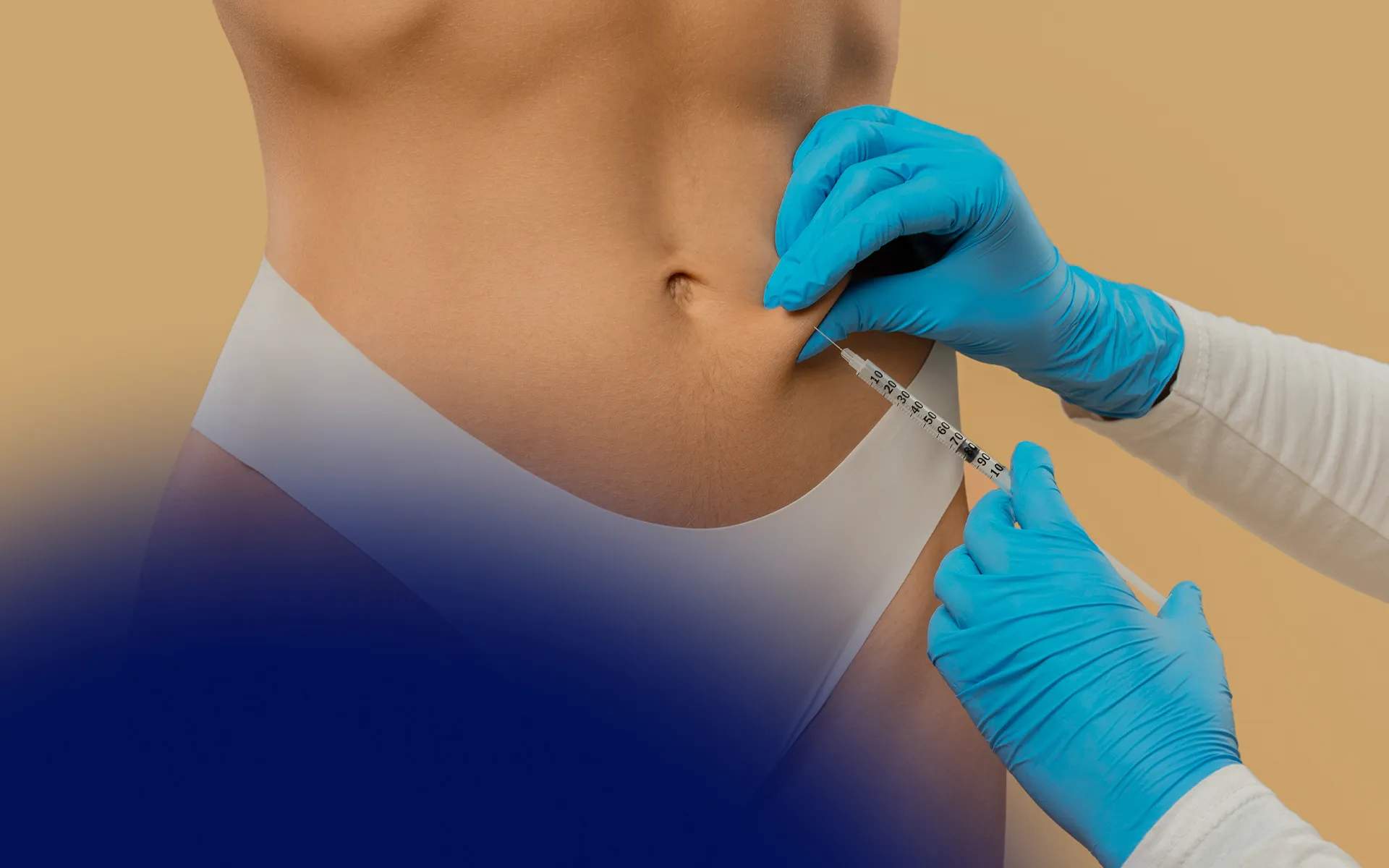
Understanding Why Loose Tummy Skin Happens
Loose abdominal skin is a common concern affecting millions of people worldwide. Whether it develops after pregnancy, significant weight loss, aging, or fluctuations in body weight, sagging skin around the stomach can impact both appearance and self-confidence. The skin is an incredibly elastic organ, but its ability to stretch and retract depends largely on collagen and elastin fibers. Over time, these fibers weaken due to aging, hormonal changes, sun exposure, and repeated stretching, making it more difficult for the skin to return to its original shape.
Many individuals assume that losing weight automatically results in a toned abdomen, but excess skin often remains after fat loss. Pregnancy also places tremendous stress on abdominal tissues, causing skin stretching that may not completely reverse after childbirth. Additionally, natural aging reduces collagen production, leading to decreased skin elasticity. Understanding the causes of loose tummy skin is the first step toward selecting the most effective tightening methods. Fortunately, modern medicine, cosmetic treatments, and lifestyle strategies offer multiple solutions to improve abdominal skin firmness and restore confidence.
Can Loose Tummy Skin Tighten Naturally?
One of the most common questions people ask is whether loose tummy skin can tighten on its own. The answer depends on several factors, including age, genetics, the amount of weight lost, and overall skin quality. Mild skin laxity often improves naturally over time, especially in younger individuals whose collagen production remains strong. However, severe skin stretching may require additional intervention.
Natural skin tightening occurs gradually as collagen and elastin fibers reorganize. Maintaining a stable weight, staying hydrated, and consuming a nutrient-rich diet support this process. Patience is important because the skin may continue improving for months after weight loss or childbirth. Rapid weight loss, however, can leave behind more excess skin because tissues have less time to adapt.
While natural recovery is possible to some extent, expectations should remain realistic. Exercise strengthens muscles beneath the skin and improves body contour, but it cannot eliminate large amounts of excess skin. In my experience, combining healthy lifestyle habits with targeted treatments often produces the best results for individuals seeking noticeable improvements.
The Role of Exercise in Tummy Skin Tightening
Exercise cannot directly tighten loose skin, but it plays an important role in improving the appearance of the abdomen. Strength training builds muscle mass beneath the skin, creating a firmer and more toned appearance. Core exercises such as planks, crunches, leg raises, and Pilates movements strengthen abdominal muscles and enhance overall body composition.
Resistance training is particularly beneficial because increasing muscle volume can help fill out areas where skin appears loose. Combining strength exercises with cardiovascular activity supports fat loss and prevents future weight fluctuations that might worsen skin laxity. Many people notice that their stomach appears tighter and more defined after building lean muscle, even if some excess skin remains.
Consistency is essential. Exercise should be viewed as part of a comprehensive approach rather than a standalone solution. In my opinion, maintaining regular physical activity is one of the most effective ways to support long-term body contouring and overall health. Although workouts cannot replace medical treatments for severe skin laxity, they contribute significantly to achieving a stronger and more attractive midsection.
Nutrition and Hydration for Healthier Skin
Healthy skin begins from within. Proper nutrition and hydration play a major role in supporting collagen production and maintaining skin elasticity. Protein-rich foods are particularly important because collagen is composed of amino acids that require adequate dietary protein for synthesis. Lean meats, fish, eggs, legumes, dairy products, and nuts provide essential nutrients that support tissue repair.
Vitamin C is another critical nutrient because it helps the body produce collagen. Citrus fruits, strawberries, bell peppers, and broccoli are excellent sources. Healthy fats found in avocados, olive oil, and fatty fish contribute to skin hydration and flexibility. Minerals such as zinc and copper also assist with tissue regeneration and wound healing.
Hydration is equally important. Dehydrated skin tends to appear thinner and less elastic. Drinking sufficient water throughout the day helps maintain skin moisture and overall health. Although no specific diet can completely eliminate loose skin, a balanced nutritional approach provides the building blocks necessary for collagen production and skin renewal. In many cases, healthy eating complements cosmetic treatments and enhances their effectiveness.
Non-Surgical Tummy Skin Tightening Treatments
Advances in aesthetic medicine have introduced several non-surgical procedures designed to tighten loose abdominal skin without the downtime associated with surgery. Radiofrequency treatments are among the most popular options. These procedures use heat energy to stimulate collagen production deep within the skin, gradually improving firmness over several months.
Ultrasound-based technologies such as Ultherapy target deeper tissue layers and encourage natural collagen remodeling. Laser skin tightening treatments can also improve skin texture and elasticity by promoting cellular regeneration. Some clinics offer microneedling combined with radiofrequency, which enhances collagen production and addresses mild to moderate skin laxity.
In my experience, non-surgical procedures work best for individuals with moderate skin looseness rather than severe excess skin. Results develop gradually and often require multiple sessions. One major advantage is minimal recovery time, allowing patients to return to normal activities quickly. However, realistic expectations are essential because non-invasive treatments provide improvement rather than dramatic transformation.
Tummy Tuck Surgery: The Most Effective Solution for Excess Skin
For individuals with significant skin laxity after major weight loss or multiple pregnancies, abdominoplasty, commonly known as a tummy tuck, remains the most effective treatment. Unlike non-surgical procedures, a tummy tuck physically removes excess skin and tightens weakened abdominal muscles, creating a flatter and firmer appearance.
From a professional perspective, tummy tuck surgery provides the most dramatic and predictable results when severe skin sagging is present. During the procedure, a plastic surgeon removes excess tissue, repairs separated abdominal muscles, and reshapes the midsection. Recovery typically requires several weeks, but many patients consider the results life-changing.
A tummy tuck is not a weight-loss procedure and is best suited for individuals who have reached a stable weight. While surgery involves costs and recovery time, it remains the gold standard for addressing extensive skin laxity. Patients considering this option should consult board-certified plastic surgeons to discuss risks, expectations, and personalized treatment plans.
Do Skin Tightening Creams Really Work?
The market is flooded with creams and lotions promising miraculous skin tightening results. While these products can improve hydration and temporarily enhance skin texture, their ability to tighten loose abdominal skin is limited. Most over-the-counter creams contain ingredients such as retinol, peptides, hyaluronic acid, and antioxidants that support skin health and collagen production.
Retinoids are among the most scientifically supported ingredients because they stimulate cell turnover and collagen synthesis. Moisturizing ingredients improve skin appearance by reducing dryness and increasing smoothness. However, topical products cannot penetrate deeply enough to eliminate substantial excess skin.
In my opinion, skin tightening creams should be viewed as supportive treatments rather than standalone solutions. They work best when combined with healthy lifestyle habits and professional procedures. Consumers should approach marketing claims with caution and understand that meaningful improvements in severe skin laxity generally require more advanced interventions.
Lifestyle Habits That Help Maintain Firm Skin
Long-term skin health depends heavily on daily habits. Maintaining a stable weight is one of the most important factors because repeated weight fluctuations stretch and weaken skin fibers. Gradual weight loss is preferable to rapid dieting because it gives tissues more time to adapt and retract naturally.
Sun protection is another critical aspect often overlooked. Ultraviolet radiation accelerates collagen breakdown and contributes to premature aging. Applying sunscreen regularly helps preserve skin elasticity and prevent further damage. Smoking cessation is equally important because tobacco impairs blood circulation and reduces collagen production.
Adequate sleep and stress management also influence skin health. During sleep, the body repairs tissues and produces hormones involved in regeneration. Chronic stress elevates cortisol levels, which may negatively affect collagen synthesis. In my experience, individuals who adopt healthy lifestyle practices often enjoy better and longer-lasting results from skin tightening treatments.
Choosing the Right Tummy Skin Tightening Method
Selecting the best tummy skin tightening approach depends on several factors, including age, the severity of skin laxity, overall health, and personal goals. Mild looseness may respond well to exercise, nutrition, and non-invasive treatments. Moderate skin laxity often benefits from radiofrequency, ultrasound, or microneedling procedures.
Severe excess skin following significant weight loss or pregnancy usually requires surgical correction for optimal results. Financial considerations and recovery time also influence decision-making. Some individuals prioritize non-invasive methods because they involve little downtime, while others prefer surgery for more dramatic improvements.
I always recommend consulting qualified professionals who can assess skin quality and discuss realistic expectations. There is no universal solution because each person’s body and goals are unique. Combining different approaches often provides the most satisfying outcomes and helps patients achieve both aesthetic and functional improvements.
Expert Advice on Achieving Long-Term Results
After years of observing aesthetic trends and reviewing clinical outcomes, I believe the key to successful tummy skin tightening lies in combining multiple strategies rather than relying on a single treatment. Healthy nutrition, consistent exercise, adequate hydration, and sun protection create the foundation for good skin health. Professional treatments can then enhance and accelerate improvements.
Patients should avoid seeking instant solutions or falling for unrealistic promises. Skin tightening is a gradual process that requires patience and commitment. Whether someone chooses non-invasive procedures or surgery, maintaining a stable weight and healthy lifestyle remains essential for preserving results.
Ultimately, confidence comes not only from physical appearance but also from feeling healthy and strong. A personalized approach tailored to individual needs offers the greatest chance of achieving a firmer, smoother, and more youthful-looking abdomen.
Frequently Asked Questions (FAQs)
Can loose tummy skin tighten naturally?
Yes, mild skin laxity may improve naturally over time, especially in younger individuals. Severe excess skin often requires professional treatment.
What is the best treatment for tummy skin tightening?
The best treatment depends on the severity of skin laxity. Non-surgical options work for mild to moderate looseness, while tummy tuck surgery provides the most dramatic results for severe cases.
Can exercise tighten loose abdominal skin?
Exercise strengthens abdominal muscles and improves body contour, but it cannot remove significant amounts of excess skin.
Do skin tightening creams really work?
They may improve hydration and skin texture, but they cannot eliminate large amounts of loose skin.
Is radiofrequency skin tightening effective?
Yes, radiofrequency treatments stimulate collagen production and can improve mild to moderate skin laxity over time.
How long does it take to see results from non-surgical treatments?
Results usually develop gradually over several weeks or months as collagen production increases.
Is a tummy tuck permanent?
Results are long-lasting, especially if a stable weight is maintained. Significant weight gain or future pregnancies may affect outcomes.
Does drinking water tighten skin?
Hydration supports overall skin health and elasticity but cannot tighten excess skin by itself.
Can collagen supplements help tighten loose skin?
Collagen supplements may support skin health and elasticity, although results vary among individuals.
What causes loose tummy skin after weight loss?
Rapid or significant weight loss stretches collagen and elastin fibers, reducing the skin’s ability to retract fully.
