Understanding Whether You Can Get a Pimple on Your Tongue
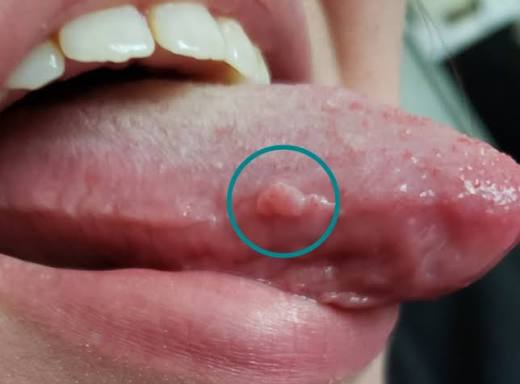
Many people become alarmed when they notice a painful bump or white spot on their tongue and immediately wonder, “Can you get a pimple on your tongue?” The short answer is that true acne pimples do not develop on the tongue because the tongue lacks the oil glands and hair follicles responsible for acne formation on the skin. However, it is entirely possible to develop bumps, sores, or inflamed papillae that closely resemble pimples. These tongue bumps can vary in size, color, and level of discomfort and are usually harmless, although they may occasionally indicate an underlying health issue.
The tongue is covered with tiny structures called papillae, which contain taste buds and help with the sensation of food textures. When these papillae become irritated, swollen, or inflamed, they can create small red or white bumps that resemble pimples. While these bumps are generally temporary, understanding their causes and symptoms is important to determine whether home remedies are sufficient or medical evaluation is necessary. Most tongue bumps heal within a few days, but persistent or recurring lesions may require professional attention.
Why the Tongue Cannot Develop True Acne Pimples
Although bumps on the tongue may look like pimples, they are biologically different from acne. Acne occurs when oil glands become clogged with excess sebum, dead skin cells, and bacteria. These blocked pores form whiteheads, blackheads, or inflamed pimples. Since the tongue does not contain sebaceous glands or hair follicles, traditional acne cannot develop inside the mouth.
Instead, bumps on the tongue usually result from inflammation, infection, trauma, allergies, or irritation. The tongue is made up of muscle tissue covered by mucous membranes rather than skin. Therefore, any lesions that appear on its surface have different causes than facial acne. This distinction is important because treatments used for acne should never be applied inside the mouth. Understanding this difference helps prevent unnecessary worry and encourages people to seek appropriate care if symptoms persist.
Because tongue bumps are often harmless and temporary, they rarely indicate serious disease. However, recognizing what causes these pimple-like bumps can help people manage discomfort and identify when a medical condition might be involved.
Common Causes of Pimple-Like Bumps on the Tongue
Several factors can cause bumps on the tongue that resemble pimples. One of the most common causes is transient lingual papillitis, often called “lie bumps.” These small, painful bumps appear suddenly and may result from stress, hormonal changes, minor trauma, or certain foods. Although uncomfortable, they usually disappear within a few days without treatment.
Accidentally biting the tongue or burning it with hot food can also produce inflamed bumps. Sharp foods such as tortilla chips or acidic fruits may irritate the surface and cause temporary swelling. Allergic reactions to foods, toothpaste, mouthwash, or medications can trigger inflammation that creates pimple-like lesions.
Certain infections, including viral, bacterial, and fungal infections, may produce white or red bumps on the tongue. Oral thrush, caused by Candida yeast, often creates creamy white patches accompanied by soreness. Canker sores and cold sores may also affect the tongue and surrounding mouth tissues.
In some cases, nutritional deficiencies involving iron, vitamin B12, folic acid, or zinc can contribute to tongue abnormalities and inflammation. Identifying the underlying cause is essential because treatment varies depending on the specific condition.
What Are Lie Bumps and Why Do They Occur?
Lie bumps, medically known as transient lingual papillitis, are among the most common explanations for a pimple-like bump on the tongue. These tiny red or white bumps affect the papillae and often appear unexpectedly. Despite their name, lie bumps have nothing to do with dishonesty. The term originated from folklore suggesting that bumps appeared when people told lies.
Lie bumps can cause pain, sensitivity, and discomfort while eating or drinking. They are generally harmless and resolve spontaneously within several days. Researchers do not fully understand why they develop, but several factors appear to increase the risk. Stress, lack of sleep, hormonal changes, spicy foods, allergies, and minor injuries are believed to contribute to their formation.
Children and adults alike may experience lie bumps occasionally. While they can be annoying, they are not contagious and do not usually require medical treatment. Maintaining good oral hygiene and avoiding irritating foods often helps reduce discomfort and promote healing.
Other Conditions That May Cause Tongue Bumps
Not every bump on the tongue is a harmless lie bump. Several other conditions may produce similar symptoms. Canker sores, also called aphthous ulcers, are painful lesions that may appear on the tongue and inside the cheeks. These ulcers are not contagious and often heal within one to two weeks.
Oral thrush is a fungal infection that causes white patches and soreness. It is more common among infants, older adults, people with weakened immune systems, and individuals using inhaled corticosteroids. Viral infections such as herpes simplex can cause blisters and ulcers affecting the tongue and lips.
Food allergies or sensitivity reactions can produce tongue swelling and irritation. Geographic tongue, a harmless condition characterized by irregular red patches surrounded by white borders, may also create discomfort that some individuals mistake for pimples.
In rare instances, persistent tongue lesions may represent precancerous changes or oral cancer. Any bump that fails to heal after two weeks, enlarges, bleeds, or causes persistent pain should be evaluated by a healthcare professional to rule out serious conditions.
Symptoms That Accompany Tongue Bumps
The symptoms associated with pimple-like bumps on the tongue vary depending on their cause. Many people experience pain, tenderness, or a burning sensation. Eating spicy, salty, or acidic foods may intensify discomfort. Some bumps appear red, while others are white or yellow.
Swelling, increased sensitivity, and difficulty chewing or speaking may occur in more severe cases. Infections can produce additional symptoms such as fever, fatigue, bad breath, swollen lymph nodes, or changes in taste perception. Oral thrush often causes creamy white plaques that can be wiped away, leaving a red surface underneath.
Canker sores are typically shallow ulcers with a white center and red border. Lie bumps usually appear as isolated raised bumps and heal quickly. Symptoms lasting longer than two weeks, especially if accompanied by unexplained weight loss, bleeding, or persistent pain, should prompt medical evaluation.
Understanding these symptoms can help distinguish between minor irritation and conditions requiring professional diagnosis.
Home Remedies and Treatments for Tongue Bumps
Most tongue bumps improve without medical intervention. Home remedies can reduce pain and accelerate healing. Rinsing the mouth with warm saltwater several times a day helps decrease inflammation and eliminate bacteria. Drinking plenty of water prevents dryness and supports oral health.
Avoiding spicy, acidic, or extremely hot foods minimizes irritation. Soft foods such as yogurt, soup, oatmeal, and mashed potatoes may be easier to tolerate while the tongue heals. Maintaining proper oral hygiene through gentle brushing and regular flossing helps prevent secondary infections.
Over-the-counter mouth rinses and oral pain relievers can provide temporary relief. Ice chips or cold beverages may soothe discomfort and reduce swelling. People with recurring bumps should consider whether stress, allergies, or dietary triggers contribute to the problem.
Although home care is effective for most cases, individuals should avoid applying acne creams or skin medications inside the mouth because these products are not designed for oral tissues and may cause irritation.
When Should You See a Doctor?
Most tongue bumps are harmless, but certain warning signs require medical attention. If a bump persists longer than two weeks, enlarges over time, or repeatedly returns, it should be evaluated by a healthcare provider or dentist. Persistent pain, bleeding, difficulty swallowing, or numbness are also concerning symptoms.
Individuals with weakened immune systems, diabetes, or ongoing chemotherapy treatments may be more susceptible to infections and should seek prompt evaluation if oral lesions develop. Fever, swollen lymph nodes, and widespread mouth sores may indicate an infection requiring medication.
Oral cancer is uncommon but remains an important consideration. Early detection greatly improves treatment outcomes. Lesions that are hard, irregular, or associated with unexplained weight loss should never be ignored. A dentist or physician may perform an examination and recommend additional tests if necessary.
Seeking medical advice provides reassurance and ensures appropriate treatment when symptoms suggest something more serious than a simple lie bump.
Preventing Pimple-Like Bumps on the Tongue
Although it is impossible to prevent every tongue bump, several habits can reduce the risk. Maintaining excellent oral hygiene is one of the most effective strategies. Brushing twice daily, flossing regularly, and using alcohol-free mouthwash help minimize bacteria and inflammation.
Limiting spicy foods, acidic beverages, and excessively hot drinks may prevent irritation. Staying hydrated keeps oral tissues healthy and less susceptible to damage. Stress management techniques such as exercise, meditation, and adequate sleep may reduce the occurrence of lie bumps associated with emotional stress.
Eating a balanced diet rich in vitamins and minerals supports tissue repair and overall immune function. Avoiding tobacco products and excessive alcohol consumption decreases the risk of oral cancer and other mouth disorders. Regular dental checkups allow professionals to identify abnormalities early and maintain optimal oral health.
These preventive measures not only reduce tongue irritation but also contribute to long-term oral wellness.
Conclusion
So, can you get a pimple on your tongue? Technically, no, because the tongue lacks the oil glands and pores necessary for acne formation. However, several conditions can create bumps that resemble pimples, including lie bumps, canker sores, infections, allergies, and irritation. Most of these lesions are harmless and resolve within a few days with proper oral care and home remedies.
Understanding the difference between harmless tongue bumps and symptoms that require medical evaluation is essential. Persistent, painful, or unusual lesions should never be ignored. Maintaining good oral hygiene, eating a healthy diet, and managing stress can help reduce the risk of recurring problems.
Fortunately, most pimple-like bumps on the tongue are temporary and respond well to simple treatments. Awareness and proper care can help ensure comfort and maintain overall oral health.
Frequently Asked Questions (FAQs)
Can you actually get a pimple on your tongue?
No. True acne pimples cannot form on the tongue because it lacks oil glands and hair follicles. However, inflamed bumps can resemble pimples.
What are lie bumps on the tongue?
Lie bumps, or transient lingual papillitis, are small inflamed papillae that cause temporary pain and usually disappear within a few days.
Are tongue bumps dangerous?
Most are harmless, but bumps that persist longer than two weeks or worsen should be evaluated by a healthcare professional.
Can stress cause bumps on the tongue?
Yes. Stress is believed to be one of the factors associated with transient lingual papillitis and recurrent mouth sores.
How long do tongue bumps last?
Most lie bumps heal within two to seven days, while canker sores may take one to two weeks.
Can spicy food cause bumps on the tongue?
Yes. Spicy, acidic, or very hot foods can irritate the tongue and contribute to inflammation.
Should I pop a bump on my tongue?
No. Attempting to pop or squeeze a tongue bump may increase irritation and infection risk.
When should I see a doctor for a tongue bump?
Seek medical attention if the bump lasts more than two weeks, bleeds, enlarges, or causes severe pain or swallowing difficulties.
Can vitamin deficiencies cause tongue bumps?
Yes. Deficiencies in vitamin B12, iron, folate, and zinc may contribute to tongue inflammation and soreness.
Can oral cancer look like a pimple on the tongue?
In rare cases, persistent lesions that resemble bumps may indicate oral cancer. Any unusual sore that does not heal should be examined by a healthcare professional.
