Waking up tired after a full night’s sleep can be frustrating. If you’ve recently been diagnosed with sleep apnea—or suspect you might have it—you’ve probably asked yourself one important question: Does sleep apnea go away?
The short answer is: sometimes, but not always. Whether sleep apnea improves depends on what’s causing it, the type of sleep apnea you have, your overall health, and the treatment you receive. For some people, lifestyle changes such as losing weight or treating an underlying medical condition can significantly reduce symptoms. For others, sleep apnea is a chronic condition that requires long-term management.
The good news is that even when sleep apnea doesn’t completely disappear, it can often be treated very effectively. Millions of people manage the condition successfully and enjoy better sleep, improved energy, and a lower risk of serious health problems.
In this guide, we’ll explore what sleep apnea is, whether it can go away on its own, treatment options, lifestyle changes, and what you can do to sleep better and stay healthier.
What Is Sleep Apnea?
Sleep apnea is a sleep disorder in which breathing repeatedly stops and starts during sleep. These pauses may last just a few seconds or longer, and they can happen dozens—or even hundreds—of times in a single night.
The most common form is obstructive sleep apnea (OSA). This occurs when the muscles in the back of the throat relax too much during sleep, causing the airway to become partially or completely blocked. As a result, your brain briefly wakes you up to restore normal breathing, even if you don’t remember it the next morning.
Another type is central sleep apnea, which is less common and occurs when the brain temporarily fails to send the proper signals to the muscles responsible for breathing. Some people also have complex sleep apnea syndrome, which combines features of both obstructive and central sleep apnea.
Because these interruptions happen throughout the night, people with sleep apnea often wake up feeling exhausted despite spending enough hours in bed.
Does Sleep Apnea Ever Go Away on Its Own?
This is one of the most frequently asked questions about the condition, and the answer depends on the underlying cause.
For adults, sleep apnea usually does not disappear without addressing the reason it’s occurring. If excess weight, enlarged tonsils, certain medications, or alcohol use are contributing to airway blockage, treating those factors may greatly improve symptoms.
However, if sleep apnea is caused by your natural airway anatomy, aging, or neurological conditions, it’s less likely to resolve without ongoing treatment.
Children are a different story. Many children develop obstructive sleep apnea because of enlarged tonsils or adenoids. After these are removed, the condition often improves dramatically or even resolves completely.
In adults, spontaneous recovery is uncommon. Ignoring symptoms and hoping they’ll disappear can delay treatment and increase the risk of complications such as high blood pressure, heart disease, and daytime fatigue.
Factors That Can Improve Sleep Apnea
While sleep apnea may not always go away completely, several factors can significantly reduce its severity.
One of the biggest contributors is weight loss. Excess fat around the neck and upper airway can make breathing more difficult during sleep. Even a moderate reduction in body weight may improve airflow and decrease the number of breathing interruptions.
Sleeping position also matters. Many people experience worse sleep apnea while lying on their back because gravity causes the tongue and soft tissues to fall backward. Sleeping on your side may reduce symptoms in some cases.
Avoiding alcohol and sedative medications before bedtime can also help. These substances relax throat muscles and increase the likelihood of airway obstruction.
Treating nasal congestion, allergies, or sinus problems may improve nighttime breathing, especially for individuals who primarily breathe through their mouths while sleeping.
Healthy habits won’t cure every case, but they often make treatment more effective and improve overall sleep quality.
Signs That Your Sleep Apnea Is Improving
If you’re receiving treatment or making lifestyle changes, you may wonder how to tell whether your sleep apnea is getting better.
One of the earliest improvements is waking up feeling more refreshed. Many people notice they have more energy during the day and no longer struggle to stay awake during meetings, while driving, or while watching television.
Morning headaches may become less frequent, and concentration often improves as sleep quality increases.
Your bed partner may notice that loud snoring has decreased or stopped altogether. Episodes where you appear to stop breathing during sleep may also become less common.
If you’re using a CPAP machine, many modern devices track your breathing and provide reports showing how effectively your sleep apnea is being controlled.
Ultimately, a follow-up sleep study is the most reliable way to determine whether the condition has improved or resolved.
Treatment Options That Can Help Manage Sleep Apnea
Treatment depends on the type and severity of sleep apnea, but there are many effective options available.
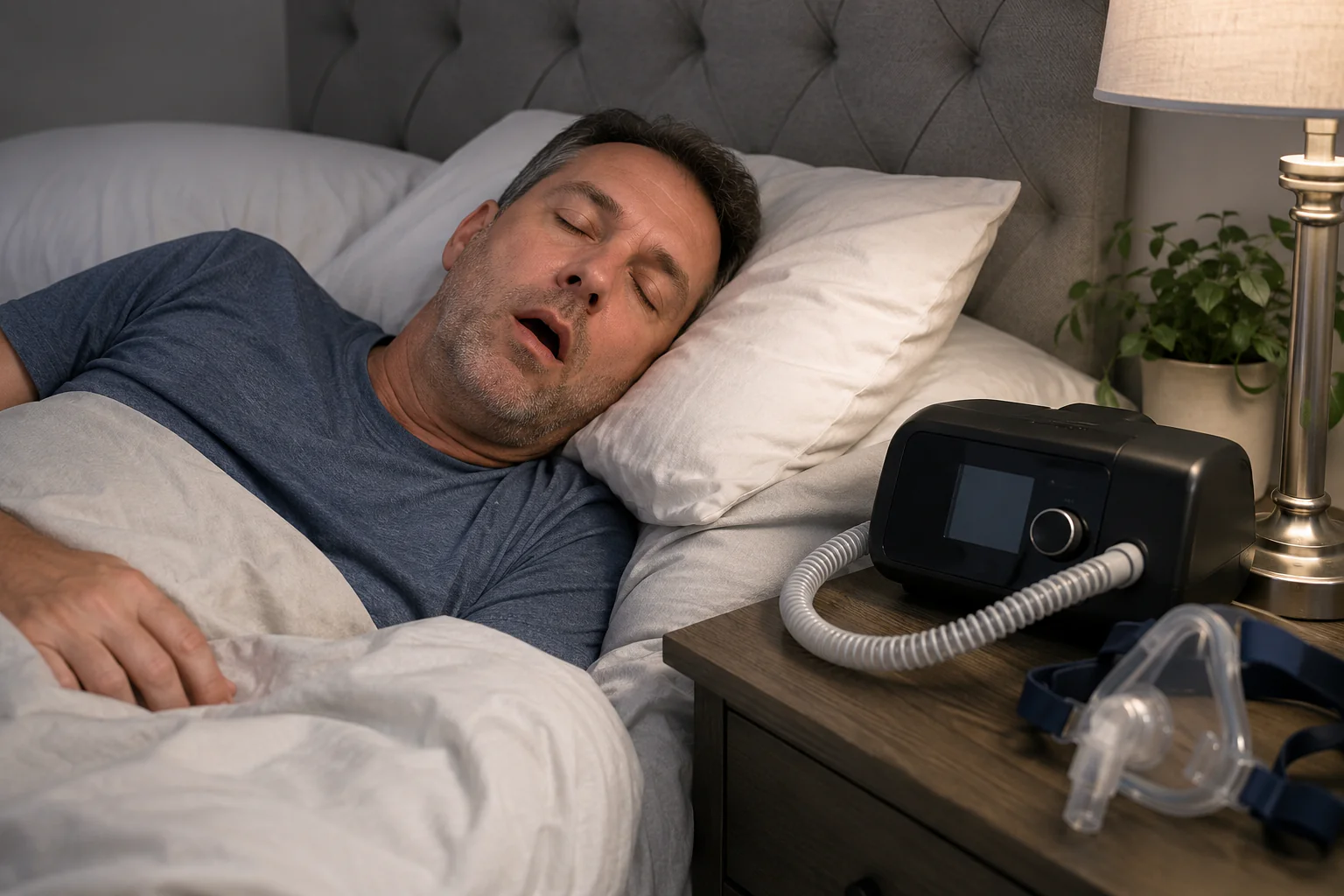
The most well-known treatment is Continuous Positive Airway Pressure (CPAP) therapy. A CPAP machine delivers a steady stream of air through a mask to keep the airway open while you sleep. Although it may take some time to get used to, CPAP remains one of the most effective treatments for moderate to severe obstructive sleep apnea.
For some people with mild or moderate sleep apnea, custom-made oral appliances fitted by a dentist can help reposition the jaw and tongue to improve airflow.
Surgery may be recommended when structural issues such as enlarged tonsils, nasal obstruction, or certain jaw abnormalities contribute to airway blockage.
People with central sleep apnea may require different treatments depending on the underlying cause, including managing heart conditions, adjusting medications, or using specialized breathing devices.
The best treatment plan is individualized and developed in consultation with a healthcare provider or sleep specialist.
What Happens If Sleep Apnea Is Left Untreated?
It’s easy to dismiss snoring or poor sleep as minor inconveniences, but untreated sleep apnea can have serious consequences over time.
Repeated interruptions in breathing reduce oxygen levels throughout the night and place extra stress on the heart and blood vessels. This increases the risk of high blood pressure, heart disease, heart rhythm disorders, stroke, and type 2 diabetes.
Daytime sleepiness can affect work performance, memory, mood, and concentration. It also raises the risk of motor vehicle accidents and workplace injuries due to reduced alertness.
Many people with untreated sleep apnea also experience irritability, depression, anxiety, and decreased quality of life because restorative sleep is essential for both physical and mental health.
The encouraging news is that effective treatment can significantly reduce many of these risks while improving daily energy and overall well-being.
Lifestyle Changes That Support Better Sleep
Medical treatment works best when combined with healthy daily habits.
Maintaining a healthy weight is one of the most beneficial long-term strategies for many people with obstructive sleep apnea.
Regular physical activity supports cardiovascular health, improves sleep quality, and may reduce the severity of symptoms.
Establishing a consistent sleep schedule helps regulate your body’s internal clock, making it easier to achieve restorative sleep.
Avoiding smoking is also important because smoking can increase inflammation and swelling within the airway.
Creating a relaxing bedtime routine, limiting caffeine later in the day, and keeping your bedroom cool, dark, and quiet can further improve sleep quality.
Although these lifestyle changes may not eliminate sleep apnea on their own, they often enhance the effectiveness of medical treatments.
When Should You See a Doctor?
If you snore loudly, frequently wake up gasping for air, experience excessive daytime sleepiness, or your partner notices pauses in your breathing during sleep, it’s time to speak with a healthcare professional.
Many people live with sleep apnea for years without realizing it because they sleep through the breathing interruptions.
A doctor may recommend a sleep study, either in a sleep laboratory or through a home sleep test, to confirm the diagnosis and determine the severity of the condition.
Early diagnosis allows treatment to begin before complications develop, helping protect both your sleep and your long-term health.
Living Well With Sleep Apnea
Being diagnosed with sleep apnea doesn’t mean you’ll never enjoy restful sleep again. In fact, many people say they feel dramatically better once treatment begins.
The key is consistency. Using prescribed treatments regularly, attending follow-up appointments, and maintaining healthy lifestyle habits can make a significant difference in how you feel each day.
Technology has also improved considerably in recent years. Modern CPAP machines are quieter, smaller, and more comfortable than older models, making treatment easier to stick with.
Remember that sleep apnea management is a journey rather than a quick fix. Small improvements can lead to meaningful changes in energy levels, mood, productivity, and overall quality of life.
Conclusion
So, does sleep apnea go away? In some cases, yes—but often only when the underlying cause is successfully treated. For many adults, sleep apnea is a long-term condition that requires ongoing management rather than a permanent cure.
The positive news is that effective treatments are widely available. Whether through weight loss, CPAP therapy, oral appliances, surgery, or lifestyle changes, many people experience significant improvements in their symptoms and overall health.
If you think you might have sleep apnea, don’t ignore the signs. Seeking medical advice early can lead to better sleep, more energy during the day, and a lower risk of serious health complications. With the right approach, restful nights are absolutely possible.
Frequently Asked Questions (FAQs)
1. Can sleep apnea disappear naturally?
In adults, it’s uncommon for sleep apnea to go away without addressing its underlying cause. However, lifestyle changes or treatment of contributing conditions can significantly improve symptoms.
2. Can losing weight cure sleep apnea?
Weight loss can greatly reduce the severity of obstructive sleep apnea, especially if excess weight is a major contributing factor. Some people experience complete resolution, while others still require treatment.
3. Is sleep apnea a lifelong condition?
Not always. Some cases improve after treating the underlying cause, but many adults need long-term management to keep symptoms under control.
4. How do I know if my sleep apnea is improving?
Signs include better sleep quality, reduced daytime fatigue, fewer morning headaches, less snoring, and improved results on follow-up sleep studies or CPAP reports.
5. Can children outgrow sleep apnea?
Yes. Children with sleep apnea caused by enlarged tonsils or adenoids often improve significantly after treatment, and some outgrow the condition entirely.
6. What is the most effective treatment for sleep apnea?
CPAP therapy is considered the most effective treatment for moderate to severe obstructive sleep apnea, although oral appliances, surgery, and lifestyle changes may also be appropriate depending on the individual.
7. Is snoring always a sign of sleep apnea?
No. Many people snore without having sleep apnea, but loud snoring combined with pauses in breathing, gasping, or excessive daytime sleepiness should be evaluated by a healthcare provider.
8. What happens if sleep apnea isn’t treated?
Untreated sleep apnea increases the risk of high blood pressure, heart disease, stroke, diabetes, daytime fatigue, accidents, and reduced quality of life. Early diagnosis and treatment can help prevent these complications.
