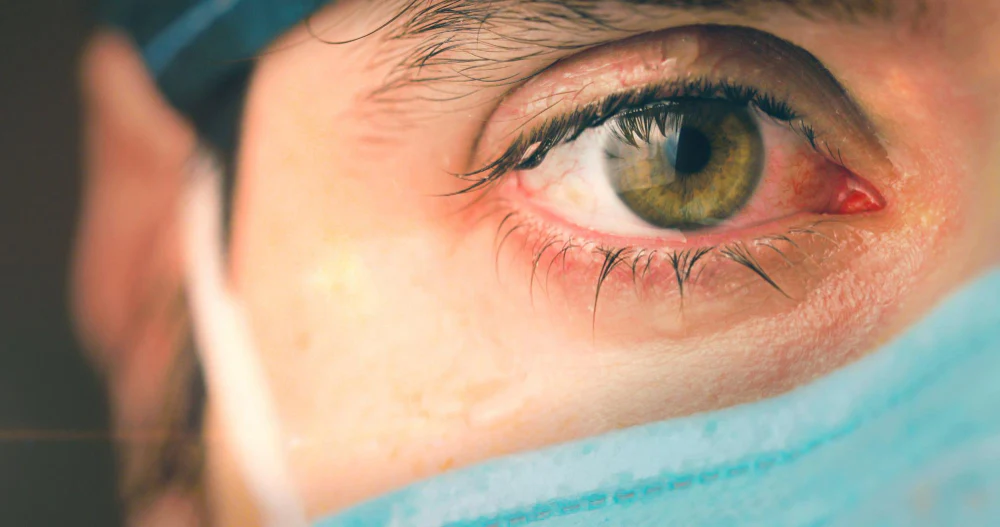
Flashing lights in your vision can be alarming, especially if they appear suddenly or repeatedly. Many people wonder, can high blood pressure cause flashing lights in eyes? The answer is that high blood pressure can sometimes contribute to visual disturbances, particularly when it becomes severe or remains uncontrolled for a long period. However, flashing lights are not exclusive to high blood pressure and may also be caused by several other eye or neurological conditions, some of which require immediate medical attention.
High blood pressure, also known as hypertension, affects millions of people worldwide and often develops without noticeable symptoms. While it is commonly associated with heart disease and stroke, it can also damage the tiny blood vessels in the eyes, potentially leading to vision problems. Understanding the connection between high blood pressure and flashing lights can help you recognize warning signs, seek timely medical care, and protect your long-term eye health.
This comprehensive guide explains whether high blood pressure can cause flashing lights in the eyes, explores other possible causes, discusses symptoms, diagnosis, treatment options, prevention strategies, and when to seek emergency medical attention.
Understanding High Blood Pressure and Eye Health
High blood pressure occurs when the force of blood against the artery walls remains consistently elevated. Over time, this increased pressure can damage blood vessels throughout the body, including those that supply the eyes.
The retina, located at the back of the eye, relies on a network of delicate blood vessels to deliver oxygen and nutrients. When blood pressure remains uncontrolled, these vessels may become narrowed, weakened, or damaged. This condition is known as hypertensive retinopathy.
In many cases, mild or moderate high blood pressure causes no noticeable vision symptoms. However, long-standing or severely elevated blood pressure can eventually affect retinal function, leading to blurred vision, reduced visual clarity, or, in some situations, visual disturbances that may include flashing lights.
Because eye changes may develop gradually, regular eye examinations can sometimes detect signs of hypertension even before other symptoms become apparent.
Can High Blood Pressure Cause Flashing Lights in Eyes?
Yes, high blood pressure can sometimes contribute to flashing lights in the eyes, but it is not among the most common causes. Flashing lights, medically referred to as photopsia, occur when the retina or visual pathways are stimulated in ways unrelated to actual light entering the eye.
Severely elevated blood pressure—especially during a hypertensive crisis—can reduce normal blood flow to the retina or optic nerve. Damage to these structures may produce visual symptoms such as blurred vision, double vision, blind spots, or occasionally flashes of light.
However, flashing lights are more commonly associated with conditions such as retinal tears, retinal detachment, posterior vitreous detachment, ocular migraines, or certain neurological disorders. Because some of these conditions can threaten permanent vision loss, flashing lights should never be dismissed without proper evaluation.
If flashing lights appear suddenly, are accompanied by numerous new floaters, a shadow or curtain across your vision, severe headache, weakness, confusion, or chest pain, immediate medical attention is essential.
Common Symptoms of High Blood Pressure Affecting the Eyes
High blood pressure often develops silently, but when it begins affecting the eyes, several symptoms may appear depending on the severity of vascular damage.
Blurred vision is one of the most common visual complaints. Damaged retinal blood vessels may interfere with normal visual processing, making objects appear less sharp.
Some individuals notice flashing lights, although this is relatively uncommon and often warrants further investigation to exclude retinal emergencies.
Double vision may occur if blood flow to the nerves controlling eye movements becomes impaired.
Reduced vision or blind spots can develop if retinal swelling or bleeding affects central vision.
Headaches sometimes accompany severe blood pressure elevations, particularly during hypertensive emergencies.
In advanced cases, retinal hemorrhages, swelling of the optic nerve, or fluid accumulation within the retina may significantly impair vision.
Importantly, many people with hypertension experience no eye symptoms at all until substantial damage has already occurred, highlighting the importance of regular blood pressure monitoring and routine eye examinations.
Other Possible Causes of Flashing Lights in the Eyes
Although hypertension may contribute to visual disturbances, several other conditions more commonly cause flashing lights.
Posterior vitreous detachment is a frequent cause, particularly in older adults. As the gel inside the eye naturally shrinks with age, it may pull on the retina, creating brief flashes of light.
Retinal tears and retinal detachment represent medical emergencies. Flashes are often accompanied by numerous new floaters or the sensation of a curtain moving across part of the visual field.
Migraine with aura may produce flashing zigzag lines, shimmering lights, or blind spots before or during a headache. Some individuals experience visual aura even without head pain.
Eye trauma can also trigger flashing lights by disturbing the retina or vitreous gel following injury.
Inflammatory eye conditions, certain medications, and neurological disorders affecting the brain’s visual pathways may produce similar symptoms.
Because many of these conditions require different treatments, professional evaluation is necessary whenever flashing lights develop unexpectedly.
How Doctors Diagnose the Cause of Flashing Lights
Determining the cause of flashing lights involves evaluating both eye health and overall medical history.
A healthcare provider typically begins by asking about the timing, duration, frequency, and appearance of the flashes. Questions regarding headaches, trauma, floaters, vision loss, or high blood pressure help narrow the possible causes.
Blood pressure measurement is an important part of the assessment, particularly if hypertension is suspected.
A comprehensive eye examination usually includes visual acuity testing, pupil evaluation, and dilation of the pupils to allow detailed examination of the retina and optic nerve.
Specialized imaging techniques such as optical coherence tomography (OCT) or retinal photography may help identify retinal swelling, bleeding, or structural abnormalities.
If neurological causes are suspected, additional imaging such as CT or MRI scans may be recommended.
Prompt diagnosis is particularly important because retinal tears, retinal detachment, and hypertensive emergencies require immediate treatment to preserve vision.
Treatment Options for High Blood Pressure-Related Vision Problems
Treatment depends on the underlying cause of the flashing lights.
If high blood pressure is contributing to retinal damage, controlling blood pressure becomes the primary goal. This often involves prescription medications, dietary modifications, regular exercise, weight management, and reducing sodium intake under medical guidance.
If hypertensive retinopathy has developed, careful blood pressure control may help prevent further damage, although existing vision changes may not always fully reverse.
Retinal tears or detachments usually require urgent treatment, which may involve laser therapy, cryotherapy, or surgery to prevent permanent vision loss.
Migraine-related visual disturbances are managed differently, often focusing on identifying triggers, lifestyle modifications, and preventive or acute migraine medications when appropriate.
Regardless of the cause, individuals experiencing new or worsening flashing lights should avoid delaying medical evaluation, as early treatment often produces the best outcomes.
When Flashing Lights Require Emergency Medical Attention
Not every episode of flashing lights represents an emergency, but certain symptoms require immediate medical care.
Seek emergency evaluation if flashing lights appear suddenly along with a large number of new floaters, loss of peripheral vision, or the sensation of a dark curtain covering part of your vision. These symptoms may indicate retinal detachment.
Emergency care is also necessary if flashing lights occur together with extremely high blood pressure, severe headache, confusion, difficulty speaking, weakness, chest pain, or shortness of breath. These symptoms could signal a hypertensive crisis or stroke.
Eye injuries followed by flashes of light should also be evaluated promptly.
Persistent or recurring flashes that continue without explanation deserve assessment by an eye care professional, even if vision appears otherwise normal.
Early intervention significantly improves the likelihood of preserving vision and preventing serious complications.
Preventing High Blood Pressure and Protecting Your Vision
Maintaining healthy blood pressure is one of the most effective ways to reduce the risk of hypertension-related eye disease.
Regular blood pressure monitoring allows early detection of hypertension before complications develop. Following prescribed treatment plans consistently is essential for long-term control.
A heart-healthy diet emphasizing fruits, vegetables, whole grains, lean proteins, and reduced sodium supports cardiovascular and eye health.
Regular physical activity helps improve blood pressure, circulation, weight management, and overall well-being.
Avoiding tobacco products and limiting alcohol consumption also reduce cardiovascular risk.
People with diabetes should carefully manage blood sugar levels because diabetes and hypertension together significantly increase the risk of retinal disease.
Routine comprehensive eye examinations are particularly important for individuals with hypertension, diabetes, or advancing age. Early detection of retinal changes allows timely intervention before permanent vision loss occurs.
Lifestyle Habits That Support Long-Term Eye Health
Protecting vision involves more than controlling blood pressure alone. Healthy daily habits contribute to maintaining strong eyesight throughout life.
Wearing protective eyewear during sports and hazardous work reduces the risk of traumatic eye injuries.
Taking regular breaks from digital screens helps reduce eye strain, although screen use itself does not typically cause flashing lights.
Maintaining healthy cholesterol levels supports blood vessel function throughout the body, including the eyes.
Getting sufficient sleep, managing stress, and attending regular medical checkups contribute to better cardiovascular health and may indirectly benefit vision.
Staying hydrated and consuming foods rich in vitamins A, C, E, omega-3 fatty acids, and antioxidants supports overall eye function.
Individuals with existing eye conditions should follow recommended follow-up schedules and report any sudden vision changes immediately.
Conclusion
So, can high blood pressure cause flashing lights in eyes? The answer is yes—particularly when blood pressure becomes severely elevated or causes damage to the retina or optic nerve. However, flashing lights are more commonly associated with other eye conditions such as retinal tears, retinal detachment, posterior vitreous detachment, or migraine with aura.
Because some causes of flashing lights require urgent treatment to prevent permanent vision loss, it is important not to ignore this symptom. Anyone experiencing sudden flashes, especially when accompanied by new floaters, vision loss, severe headache, or signs of a hypertensive crisis, should seek immediate medical attention.
Managing blood pressure through healthy lifestyle habits, appropriate medications, regular medical care, and routine eye examinations remains one of the most effective ways to protect both your vision and overall health.
Frequently Asked Questions (FAQs)
1. Can high blood pressure directly cause flashing lights in the eyes?
Yes, severe or uncontrolled high blood pressure can sometimes contribute to flashing lights by affecting blood flow to the retina or optic nerve. However, flashing lights often have other causes that also require medical evaluation.
2. Are flashing lights always a sign of high blood pressure?
No. Flashing lights may result from retinal tears, retinal detachment, posterior vitreous detachment, migraine aura, eye injuries, or neurological conditions.
3. Should I go to the emergency room if I suddenly see flashing lights?
Seek immediate medical attention if flashing lights occur with numerous new floaters, vision loss, a curtain-like shadow over your vision, severe headache, weakness, confusion, chest pain, or extremely high blood pressure.
4. Can controlling blood pressure improve vision problems?
If hypertension is contributing to retinal damage, proper blood pressure management can help prevent further damage and may improve some symptoms, although recovery depends on the extent of the injury.
5. What is hypertensive retinopathy?
Hypertensive retinopathy is damage to the retina caused by long-term or severe high blood pressure affecting the small blood vessels within the eye.
6. Can migraines cause flashing lights without high blood pressure?
Yes. Migraine with aura commonly causes flashing lights, zigzag patterns, or shimmering visual disturbances, even in people with normal blood pressure.
7. How can I reduce my risk of vision problems from high blood pressure?
Maintain healthy blood pressure through medication if prescribed, regular exercise, a balanced diet, limiting sodium, avoiding tobacco, controlling diabetes, and having routine eye examinations.
8. When should I see an eye doctor about flashing lights?
You should seek prompt evaluation whenever flashing lights are new, persistent, worsening, accompanied by floaters or vision loss, or occur after an eye injury. Early diagnosis is essential to rule out serious retinal conditions.
