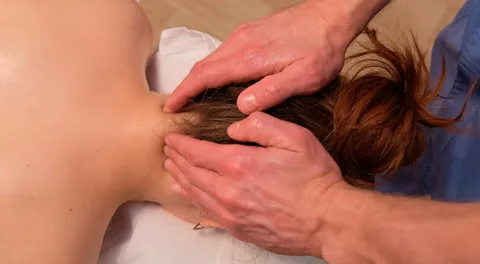
Pain in the Left Side of the Neck can make daily activities like turning your head, working, or sleeping uncomfortable. It may develop suddenly or gradually and sometimes spreads to the shoulder or upper back, but proper care, posture adjustments, and gentle exercises can help improve symptoms.
Left-sided neck pain can happen for many reasons, ranging from simple muscle tightness to nerve irritation. Knowing what may be causing it helps you choose the right next step whether that means home care, physical therapy, or a medical evaluation. In this guide, we’ll break down the anatomy, common causes, warning signs, and the best ways to manage pain in the left side of the neck safely and effectively.
The Anatomy of the Neck
The neck (also called the cervical spine) is designed for movement and support. It holds up the head, protects the spinal cord, and allows you to rotate, bend, and tilt smoothly. The cervical spine has seven small bones (C1–C7) stacked on top of each other. Between these bones are discs that act like cushions, absorbing shock and supporting flexibility.
The neck also includes:
- Muscles and tendons that stabilize and move the head
- Ligaments that hold bones in alignment
- Nerves that travel from the spinal cord to the shoulders, arms, and hands
- Joints (facet joints) that allow smooth motion
- Blood vessels that supply the brain and neck tissues
Potential Causes of Left-Sided Neck Pain
Left-sided neck pain is common, and in many cases, it’s linked to daily habits and lifestyle factors. Here are the most frequent causes:
1) Muscle Strain or Overuse
This is one of the top reasons people feel neck pain. Long hours on a computer, looking down at a phone, or carrying a heavy bag on one shoulder can overload the muscles. You may feel soreness, tightness, and pain when turning your head.
2) Poor Posture and “Tech Neck.”
Slouching and forward head posture are key contributors to tech neck, placing extra stress on the neck and upper back. Over time, this strain can lead to muscle fatigue, trigger points, and stiffness, often affecting one side more than the other.
3) Sleeping Position Issues
Many people experience neck pain when lying down, especially if the pillow is too high, too flat, or doesn’t support the natural curve of the neck. Sleeping on your stomach can also force the neck into an awkward twisted position for hours.
4) Cervical Joint Irritation
The small joints in the neck can become inflamed from repetitive motion, arthritis, or sudden awkward movement. Joint-related pain often feels sharp with certain movements and may cause a limited range of motion.
5) Pinched Nerve (Cervical Radiculopathy)
If a nerve root in the neck is irritated or compressed, pain may travel from the neck into the shoulder, arm, or hand. This can come with tingling, numbness, or weakness.
6) Cervical Disc Problems
Bulging or herniated discs can press on nearby nerves. Disc-related pain may worsen with movement, coughing, or sitting for long periods.
7) Stress and Muscle Tension
Emotional stress can cause the shoulders to rise and the neck muscles to tighten unconsciously. This tension often shows up as one-sided tightness, headaches, and soreness.
8) Whiplash or Minor Injury
Even a small car accident, sports impact, or sudden jerk can strain the neck. Symptoms may not appear immediately and can show up a day later.
9) Referred Pain from the Shoulder or Upper Back
Sometimes the neck isn’t the main problem. Shoulder joint issues, rotator cuff tightness, or upper back stiffness can create pain that feels like it’s coming from the neck.
Evaluating Left-Sided Neck Pain
Understanding your symptoms helps determine how serious the problem might be. Ask yourself:
- Is the pain sharp, dull, burning, or tight?
- Does it stay in one spot or spread to the shoulder/arm?
- Do you feel tingling, numbness, or weakness?
- Did it start after sleeping, lifting, or a sudden movement?
- Is it improving, staying the same, or getting worse?
Self-check signs that may suggest muscle strain:
- Pain increases when you turn your head
- Tenderness in the muscles
- Stiffness that improves with light movement
- No numbness or arm weakness
Signs that may need medical evaluation:
- Pain radiating into the arm
- Numbness, tingling, or reduced grip strength
- Severe stiffness that limits normal movement
- Pain lasting more than 1–2 weeks
Managing Pain in the Left Side of the Neck
The best treatment depends on the cause, but most people improve with a combination of smart home care and professional guidance.
1) Rest, But Don’t Stay Completely Still
Short rest can help, but too much inactivity may increase stiffness. Gentle movement keeps blood flow active and supports healing.
2) Cold and Heat Therapy
- Ice (first 24–48 hours) helps reduce inflammation after strain or sudden pain
- Heat (after 48 hours) relaxes muscles and improves flexibility
3) Gentle Stretching and Mobility
Simple neck stretches can reduce tightness, but avoid aggressive stretching if pain shoots into the arm. Slow movements are safer than forcing range of motion.
Helpful movements include:
- Side bending (ear toward shoulder)
- Shoulder rolls
- Chin tucks (to correct posture)
4) Improve Workstation Posture
Small changes make a big difference:
- Screen at eye level
- Shoulders relaxed
- Feet flat on the floor
- Take breaks every 30–45 minutes
5) Adjust Your Pillow and Sleep Setup
If your pain is worse at night or in the morning, your sleep posture matters. A supportive pillow should keep your neck neutral—not bent up or down. Side sleepers often do well with a pillow that fills the space between the shoulder and head.
6) Over-the-Counter Options (If Safe for You)
Anti-inflammatory medications or pain relievers may help temporarily. Always follow label instructions and avoid them if you have medical conditions that make them unsafe.
7) Physical Therapy and Guided Rehab
A professional plan may include:
- Posture correction
- Strengthening weak upper back muscles
- Stretching tight chest and neck muscles
- Manual therapy for joint mobility
8) Medical Treatment Options
If pain is persistent, recurring, or nerve-related, a provider may recommend imaging or targeted treatment plans. For patients needing neck pain treatment in Waxahachie, care may include a structured approach that focuses on function, movement, and long-term relief instead of quick fixes.
In more complex cases, Dr. Rao K. Ali may evaluate whether nerve irritation, disc problems, or joint inflammation is contributing to your symptoms and recommend the most appropriate next steps.
Prevention is Better Than Cure
Preventing left-sided neck pain often comes down to habits. These changes reduce strain and keep your neck healthier long-term:
- Keep your phone at eye level instead of looking down
- Strengthen upper back and shoulder muscles
- Stretch your chest and neck daily (even 2–3 minutes helps)
- Avoid carrying heavy bags on one shoulder
- Use a supportive chair and sit upright
- Stay hydrated (muscles and discs function better when hydrated)
- Warm up before workouts and avoid sudden jerky movements
When to Seek Immediate Medical Attention
Most neck pain is not dangerous, but certain symptoms should never be ignored. Seek urgent medical help if you have:
- Severe pain after an accident or fall
- Fever, chills, or unexplained illness with neck stiffness
- Sudden weakness in the arm or hand
- Loss of balance or trouble walking
- Severe headache with neck stiffness
- Numbness or tingling that is worsening
- Loss of bladder or bowel control (rare, but serious)
- Chest pain, jaw pain, or shortness of breath
Conclusion
Pain in the left side of the neck can range from mild stiffness to sharp discomfort that affects daily life. In many cases, the cause is muscle strain, posture problems, or sleep positioning. However, nerve irritation, joint issues, and disc problems can also play a role, especially when pain spreads into the shoulder or arm.
The key is to respond early with gentle movement, proper posture, supportive sleep habits, and the right treatment plan. If symptoms persist, worsen, or include tingling or weakness, professional evaluation can help you recover faster and avoid repeated flare-ups. One-time assessment and targeted care can make a major difference in comfort, mobility, and quality of life. Neck Pain Specialists in Waxahachie can help determine what’s causing your symptoms and guide you toward a safe, long-term solution.
