A bright and confident smile is often associated with good oral hygiene and overall health. Over time, however, teeth naturally lose their brightness due to aging, coffee, tea, red wine, smoking, and certain foods that cause staining. Professional whitening treatments can be highly effective, but they are often expensive and require dental appointments. As a result, many people are turning to the best at home teeth whitening kits as a convenient and affordable solution for achieving whiter teeth without leaving their homes.
Modern teeth whitening kits have evolved significantly, offering safer and more effective options than ever before. From whitening strips and LED light systems to whitening pens and gels, consumers have numerous choices designed to fit different lifestyles, budgets, and sensitivity levels. Understanding how these products work and which features matter most can help individuals make informed decisions and achieve noticeable results safely.
Why Teeth Become Stained Over Time
Teeth discoloration is a natural process influenced by multiple factors. Surface stains, known as extrinsic stains, are commonly caused by beverages such as coffee, tea, soda, and red wine. Smoking and tobacco products also contribute significantly to yellowing and dark spots on teeth. Certain foods with strong pigments, including berries and tomato-based sauces, can gradually stain the enamel over time.
Intrinsic stains, which occur beneath the enamel, are often caused by aging, medications, trauma, or excessive fluoride exposure during childhood. As people age, the outer enamel layer becomes thinner, exposing the yellowish dentin underneath. Poor oral hygiene habits can further accelerate discoloration. While regular brushing and dental cleanings help maintain oral health, whitening products provide additional support in restoring a brighter smile.
How At-Home Teeth Whitening Kits Work
Most of the best at home teeth whitening kits rely on active ingredients such as hydrogen peroxide or carbamide peroxide. These compounds penetrate the enamel and break down stain molecules into smaller particles, making teeth appear brighter and whiter. The concentration of whitening agents varies depending on the product type and intended use.
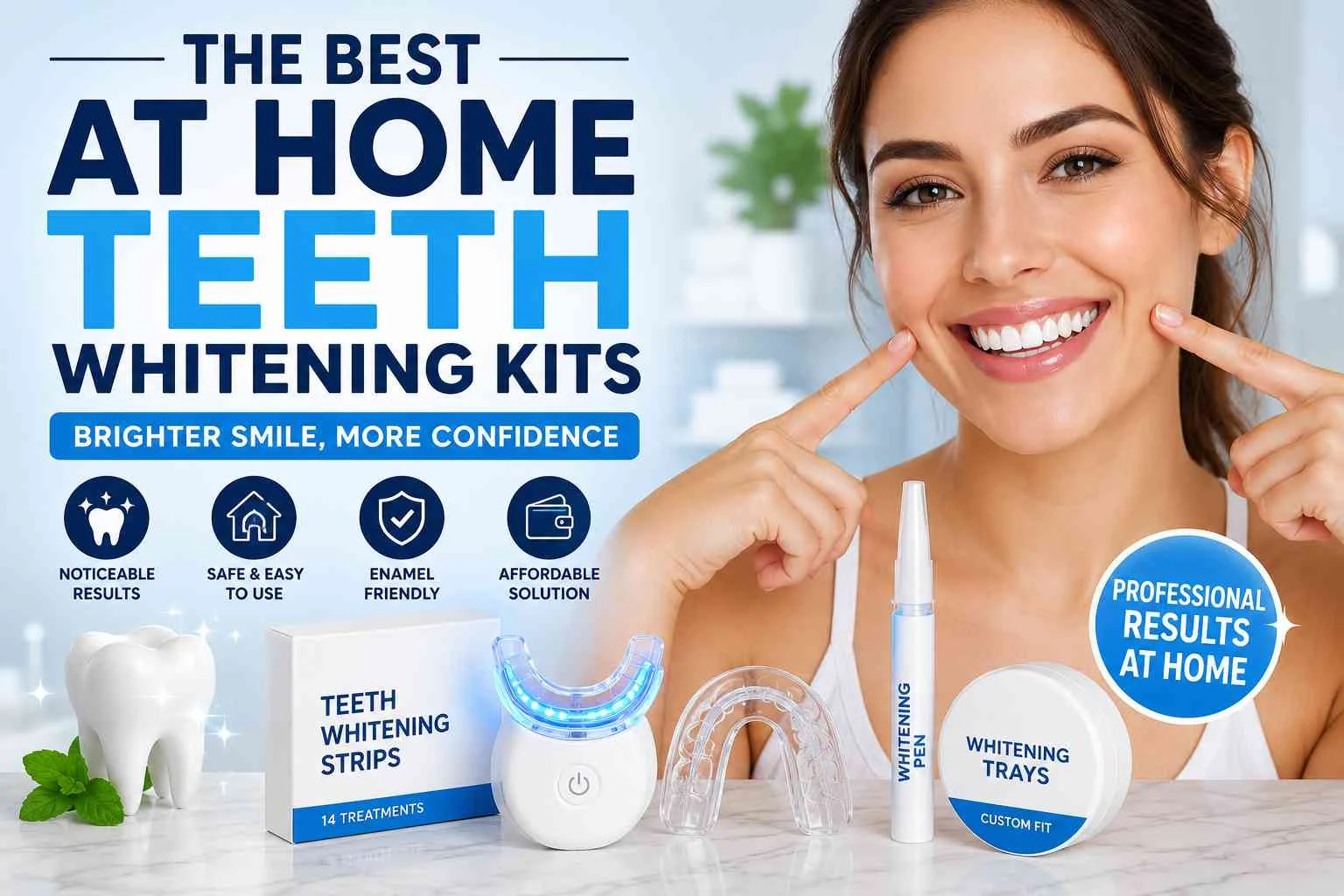
Whitening strips are thin, flexible pieces coated with peroxide gel that adhere directly to the teeth. Whitening trays hold bleaching gel against the teeth for a specific period, ensuring even coverage. LED whitening kits combine whitening gel with blue LED lights, which are marketed to enhance the whitening process. Whitening pens provide targeted application and are ideal for touch-ups and maintenance. Each system offers different levels of convenience and effectiveness, allowing consumers to choose according to their preferences.
Features to Look for in the Best At Home Teeth Whitening Kits
Choosing the right whitening kit requires more than simply selecting the most popular brand. One of the most important considerations is the concentration of whitening ingredients. Higher concentrations may produce faster results but can also increase tooth sensitivity. Individuals with sensitive teeth should seek products specifically formulated with lower peroxide levels or ingredients designed to reduce discomfort.
Ease of use is another critical factor. Some kits require only a few minutes each day, while others demand longer treatment sessions. Comfort, tray fit, and portability can significantly impact the overall experience. Consumers should also pay attention to the number of applications included in the kit, as this determines how long the treatment will last and whether touch-up sessions are possible. Products that carry dental association approvals and positive customer reviews generally offer greater confidence in safety and effectiveness.
Types of Teeth Whitening Kits Available for Home Use
The market offers several categories of whitening kits, each with unique advantages. Whitening strips remain among the most popular options because they are affordable and easy to apply. They provide consistent contact with the teeth and can deliver noticeable results within one to two weeks.
LED whitening kits have gained popularity due to their advanced appearance and convenience. These systems often include whitening gel and a reusable mouthpiece equipped with LED lights. Whitening trays, whether custom or universal, offer more comprehensive coverage and are favored by individuals seeking professional-level results. Whitening pens provide quick touch-ups for people with busy lifestyles and are easy to carry while traveling. Powder-based products and whitening toothpaste can complement other whitening methods but are generally less effective as standalone treatments for significant discoloration.
Benefits of Using At-Home Teeth Whitening Kits
One of the biggest advantages of at-home whitening kits is affordability. Professional dental whitening procedures can cost hundreds of dollars, whereas home kits offer similar cosmetic improvements at a fraction of the price. This accessibility allows more individuals to enhance their smiles without exceeding their budgets.
Convenience is another major benefit. Home whitening treatments can be incorporated into daily routines without requiring appointments or lengthy visits to the dentist. Many products deliver visible improvements within days or weeks, providing users with increased confidence and satisfaction. Furthermore, modern formulations have become safer and more comfortable, making whitening accessible even to people with mild sensitivity.
At-home kits also offer flexibility. Users can choose treatments that fit their schedules and gradually maintain results with periodic touch-ups. This personalized approach enables long-term whitening without the inconvenience of frequent dental visits.
Potential Side Effects and Safety Considerations
Although the best at home teeth whitening kits are generally safe when used correctly, some individuals may experience temporary side effects. Tooth sensitivity is the most common complaint and occurs because whitening agents temporarily expose microscopic channels in the enamel. Gum irritation may also occur if the gel comes into contact with soft tissues.
To minimize these effects, users should carefully follow the manufacturer’s instructions and avoid excessive use. Over-whitening can damage enamel and increase sensitivity. People with untreated cavities, gum disease, crowns, veneers, or extensive dental restorations should consult a dentist before beginning any whitening treatment. Pregnant women and children are generally advised to seek professional guidance before using whitening products.
Maintaining realistic expectations is equally important. Whitening treatments can significantly improve discoloration but may not produce perfectly white teeth or alter the color of dental restorations. Safe and gradual whitening often yields the most natural-looking results.
Tips for Achieving Better Whitening Results
Successful whitening involves more than simply applying a product. Good oral hygiene practices are essential for maximizing and maintaining results. Brushing twice daily with fluoride toothpaste, flossing regularly, and attending routine dental cleanings help remove plaque and prevent new stains from forming.
Avoiding stain-causing foods and beverages during treatment can enhance effectiveness. Coffee, tea, red wine, dark sodas, and tobacco products can counteract whitening efforts and prolong the process. Using a straw for beverages and rinsing the mouth with water afterward can reduce staining.
Consistency is another key factor. Following the recommended schedule and completing the full treatment cycle ensures optimal results. Combining whitening kits with whitening toothpaste and occasional touch-up treatments can help maintain brightness over the long term.
Who Should Use Teeth Whitening Kits and Who Should Avoid Them
Most adults with healthy teeth and gums can safely use whitening kits to improve the appearance of mild to moderate discoloration. Individuals preparing for weddings, interviews, photographs, or special events often seek whitening treatments to enhance their confidence and appearance.
However, whitening products are not suitable for everyone. People with severe tooth sensitivity, active cavities, gum disease, or extensive restorations should consult their dentist first. Since crowns, veneers, and fillings do not respond to bleaching agents, uneven coloration may occur. Individuals with deep intrinsic stains may require professional treatment options to achieve satisfactory results.
Understanding personal dental health conditions and seeking professional advice when necessary helps ensure safe and effective whitening outcomes.
Maintaining White Teeth After Treatment
Achieving a brighter smile is only part of the process. Maintaining whitening results requires consistent oral care and healthy lifestyle habits. Brushing and flossing daily remain fundamental practices for preserving enamel health and preventing new stains from developing.
Reducing consumption of staining substances such as coffee, tea, wine, and tobacco significantly prolongs whitening effects. Drinking water after meals and scheduling regular dental cleanings also help maintain brightness. Many users perform touch-up treatments every few months using whitening strips or pens to preserve their results.
Healthy dietary choices, proper hydration, and routine dental checkups contribute to long-lasting oral health and an attractive smile. With proper maintenance, the results from the best at home teeth whitening kits can remain visible for months or even years.
Conclusion
The best at home teeth whitening kits provide a convenient, cost-effective, and efficient way to achieve a brighter smile without professional treatment expenses. Advances in whitening technology have made these products safer and more effective than ever, offering options that accommodate different budgets and sensitivity levels. Whether using strips, trays, LED systems, or whitening pens, consumers can enjoy noticeable improvements when products are used correctly.
Selecting the right kit involves considering ingredients, ease of use, safety, and personal dental needs. Combined with good oral hygiene and healthy habits, at-home whitening kits can deliver impressive and long-lasting results. A radiant smile not only enhances appearance but also boosts confidence, making teeth whitening an investment in both oral health and self-esteem.
Frequently Asked Questions
Are at-home teeth whitening kits effective?
Yes, many at-home whitening kits effectively remove surface stains and lighten teeth several shades when used according to the manufacturer’s instructions. Results vary depending on the severity of discoloration and product type.
How long does it take to see results?
Most users begin noticing improvements within a few days, while full results generally appear after one to two weeks of consistent use.
Are teeth whitening kits safe?
When used correctly, approved whitening products are considered safe. Temporary tooth sensitivity and gum irritation are the most common side effects.
Which ingredient is most effective for whitening teeth?
Hydrogen peroxide and carbamide peroxide are the most commonly used and clinically proven ingredients for removing stains and whitening teeth.
Can whitening kits damage enamel?
Excessive or improper use may increase sensitivity and potentially affect enamel. Following instructions and avoiding overuse help maintain enamel health.
How long do whitening results last?
Results can last several months to a year, depending on oral hygiene habits, diet, and exposure to staining substances.
Do whitening kits work on crowns and veneers?
No. Dental restorations such as crowns, veneers, and fillings do not respond to whitening agents and will retain their original color.
Can people with sensitive teeth use whitening kits?
Yes. Many products are specially formulated for sensitive teeth and contain lower peroxide concentrations or desensitizing ingredients to reduce discomfort.