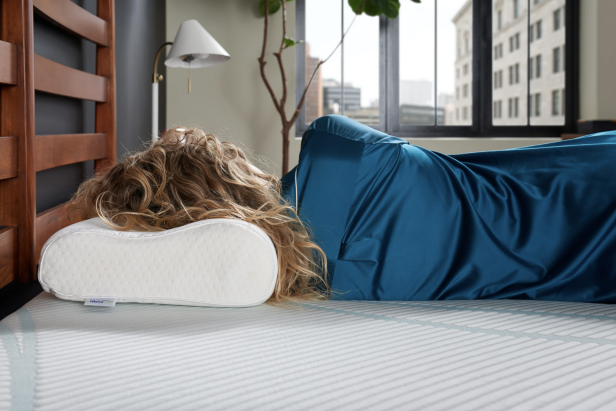
Getting quality sleep depends on many factors, and one of the most important is choosing the right pillow. For people who sleep on their sides, the wrong pillow can lead to neck stiffness, shoulder pain, headaches, and restless nights. Side sleeping is one of the most common and healthiest sleeping positions because it helps maintain spinal alignment, reduces snoring, and may even improve digestion. However, this position creates a larger gap between the head and the mattress, making proper support essential.
Finding the best pillow for side sleepers involves more than selecting a soft or expensive option. Factors such as pillow height, firmness, filling material, and sleeping habits all influence comfort and support. With so many choices available today, understanding what makes a pillow suitable for side sleeping can help improve sleep quality and reduce aches and pains. Whether you’re dealing with chronic neck discomfort or simply looking for a more comfortable night’s rest, the right pillow can make a significant difference.
Why Side Sleepers Need a Different Type of Pillow
Unlike back or stomach sleepers, side sleepers place more pressure on their shoulders and neck throughout the night. When lying on one side, the head needs adequate elevation to maintain a straight line between the neck and spine. A pillow that is too thin allows the head to tilt downward, while a pillow that is too thick forces the neck upward, both of which can cause discomfort and poor spinal alignment.
Proper support helps distribute weight evenly and prevents strain on muscles and joints. Since side sleepers spend several hours in the same position, even minor alignment issues can contribute to stiffness and chronic pain over time. The best pillow for side sleepers fills the space between the head and mattress without causing unnatural bending of the neck. This balanced support promotes deeper sleep and reduces pressure points, allowing the body to recover more effectively during the night.
Key Features to Look for in the Best Pillow for Side Sleepers
Choosing a pillow involves considering several important factors. Loft, which refers to pillow height, is among the most crucial. Side sleepers generally require medium to high-loft pillows because they need extra support to compensate for shoulder width. A pillow with adjustable loft provides flexibility and allows users to customize comfort according to their body size and mattress firmness.
Firmness also plays an essential role. A pillow that is too soft may collapse under the weight of the head, while one that is excessively firm can create pressure and discomfort. Medium-firm support is often considered ideal because it maintains shape while still providing cushioning.
Breathability is another important consideration. Materials that promote airflow help regulate temperature and prevent overheating, especially for hot sleepers. Durability, hypoallergenic properties, and ease of maintenance are equally valuable factors when selecting a pillow designed for long-term comfort and support.
Understanding Different Pillow Materials
The filling material greatly affects how a pillow feels and performs. Memory foam pillows are among the most popular choices because they contour closely to the head and neck, providing personalized support and pressure relief. Contoured memory foam designs are especially beneficial for individuals experiencing neck pain or shoulder discomfort.
Latex pillows offer responsive support and excellent durability. Unlike memory foam, latex maintains a slightly bouncier feel and naturally resists dust mites and allergens. Down pillows provide luxurious softness and mold easily to different sleeping positions, although they may lack sufficient support for some side sleepers.
Down alternative pillows have become increasingly popular because they offer softness without using animal products. They are often hypoallergenic and easier to maintain. Adjustable shredded memory foam pillows combine support and customization, allowing users to add or remove filling to achieve their preferred height and firmness. Understanding these materials helps consumers choose the option that best aligns with their comfort preferences and sleeping habits.
How Pillow Loft and Firmness Affect Sleep Quality
Loft and firmness are closely related to spinal alignment and overall sleep quality. Side sleepers with broader shoulders typically require higher loft pillows because the distance between the head and mattress is greater. Smaller individuals may feel more comfortable with medium loft designs that prevent excessive neck elevation.
Firmness influences how well the pillow maintains support throughout the night. Medium-firm pillows strike a balance between softness and stability, preventing excessive sinking while still cushioning pressure points. Pillows that flatten too quickly can lead to misalignment and interrupted sleep.
Mattress firmness also affects pillow selection. Side sleepers using soft mattresses may sink deeper into the bed, requiring slightly lower pillow heights. Conversely, firmer mattresses create less compression and often pair better with higher loft pillows. Finding the right combination of loft and firmness ensures proper support and contributes to restorative sleep.
Best Pillow Types for Neck Pain and Shoulder Pain
Many side sleepers experience neck and shoulder discomfort due to inadequate support. Memory foam and ergonomic contour pillows are often recommended because they maintain spinal alignment and relieve pressure around sensitive areas. These pillows support the natural curvature of the neck and help reduce muscle tension.
Adjustable pillows are particularly useful for individuals with chronic pain because they allow customization based on changing comfort needs. Some designs include cervical contours that cradle the neck while providing extra support beneath the head. These specialized shapes promote healthy posture and minimize strain during sleep.
Shoulder pain can also be influenced by mattress quality and sleeping posture. Side sleepers may benefit from hugging a body pillow or placing a pillow between the knees to improve alignment throughout the body. Combining proper pillow support with healthy sleep habits can significantly reduce discomfort and enhance sleep quality.
Cooling Pillows and Temperature Regulation for Side Sleepers
Overheating is a common problem that interferes with sleep quality. Many traditional pillows retain body heat, causing discomfort and frequent awakenings. Fortunately, modern pillow technologies have introduced cooling features designed to regulate temperature and improve airflow.
Gel-infused memory foam, ventilated latex, and breathable cotton covers help dissipate heat and maintain a comfortable sleeping environment. Moisture-wicking fabrics and phase-change materials actively manage temperature throughout the night, making them ideal for hot sleepers.
Side sleepers often maintain prolonged contact with one area of the pillow, which can trap heat more easily. Cooling pillows reduce this issue and promote uninterrupted sleep. Investing in temperature-regulating materials can enhance comfort, particularly in warm climates or for individuals who naturally sleep hot.
How Often Should You Replace Your Pillow?
Even the best pillow for side sleepers loses its effectiveness over time. Regular use causes fillings to compress, reducing support and compromising spinal alignment. Most sleep experts recommend replacing pillows every one to two years, depending on material quality and maintenance practices.
Signs that a pillow needs replacement include flattening, lumps, loss of shape, persistent odors, and increased allergy symptoms. Waking up with neck pain or headaches may also indicate that the pillow no longer provides adequate support. Performing simple tests, such as folding the pillow in half to see if it returns to its original shape, can help determine whether replacement is necessary.
Proper care extends a pillow’s lifespan. Using pillow protectors, washing removable covers regularly, and following manufacturer instructions contribute to hygiene and durability. Replacing pillows when needed supports healthier sleep and better overall well-being.
Common Mistakes Side Sleepers Make When Choosing Pillows
One common mistake is prioritizing softness over support. While soft pillows may feel comfortable initially, they often fail to maintain proper alignment throughout the night. Another error involves selecting a one-size-fits-all pillow without considering body size, shoulder width, or mattress firmness.
Many people continue using old pillows long after they have lost their structure. Worn-out pillows contribute to discomfort and poor sleep quality. Ignoring allergies or temperature preferences can also lead to dissatisfaction. Hot sleepers may struggle with dense memory foam pillows that trap heat, while allergy sufferers should prioritize hypoallergenic materials.
Choosing based solely on price is another mistake. Expensive pillows are not always better, and affordability does not necessarily indicate poor quality. Understanding personal sleep habits and support needs leads to more informed decisions and improved comfort.
Additional Sleep Accessories That Benefit Side Sleepers
While selecting the right pillow is essential, additional accessories can further enhance sleep quality. Body pillows provide extra support for the arms, hips, and knees, promoting better alignment and reducing pressure on joints. Knee pillows help maintain proper hip positioning and are especially beneficial for people experiencing lower back pain.
Mattress toppers can also improve comfort by adjusting firmness levels and relieving pressure points. Breathable bedding and moisture-wicking sheets complement cooling pillows and create a more comfortable sleep environment. Weighted blankets may offer relaxation and reduce stress, contributing to deeper sleep.
Creating a supportive sleep system rather than focusing solely on one component allows side sleepers to optimize comfort and wake up feeling refreshed and pain-free.
Conclusion
Choosing the best pillow for side sleepers is an investment in better sleep, improved posture, and overall health. Because side sleeping places unique demands on the neck and shoulders, selecting the appropriate loft, firmness, and filling material is essential for maintaining proper spinal alignment. Memory foam, latex, and adjustable pillows offer excellent support and customization options that cater to individual preferences.
Beyond comfort, the right pillow can help alleviate neck pain, reduce pressure points, and promote deeper, more restorative sleep. Combined with good sleep habits and supportive bedding, a high-quality pillow contributes significantly to physical recovery and daily well-being. Taking the time to understand your specific needs ensures that every night becomes more comfortable and rejuvenating.
Frequently Asked Questions
What is the best pillow for side sleepers?
The best pillow for side sleepers is typically a medium-firm pillow with medium to high loft that keeps the head, neck, and spine properly aligned.
Are memory foam pillows good for side sleepers?
Yes. Memory foam pillows provide excellent support and pressure relief, making them one of the most popular choices for side sleepers.
What pillow height is best for side sleepers?
Most side sleepers benefit from medium to high loft pillows, although ideal height depends on shoulder width and mattress firmness.
Can the wrong pillow cause neck pain?
Yes. An unsupportive pillow can lead to poor spinal alignment and contribute to neck pain, headaches, and shoulder discomfort.
How often should side sleepers replace their pillows?
Most pillows should be replaced every one to two years, depending on material quality and wear.
Are cooling pillows worth it for side sleepers?
Cooling pillows are beneficial for hot sleepers because they improve airflow and help regulate temperature throughout the night.
Is a soft or firm pillow better for side sleepers?
Medium-firm pillows are generally recommended because they provide support while still cushioning pressure points.
Can side sleepers use down pillows?
Yes, but some down pillows may lack sufficient support. Choosing high-quality or adjustable down options can provide better alignment.
Do body pillows help side sleepers?
Yes. Body pillows improve alignment, reduce pressure on joints, and can enhance overall comfort during sleep.
