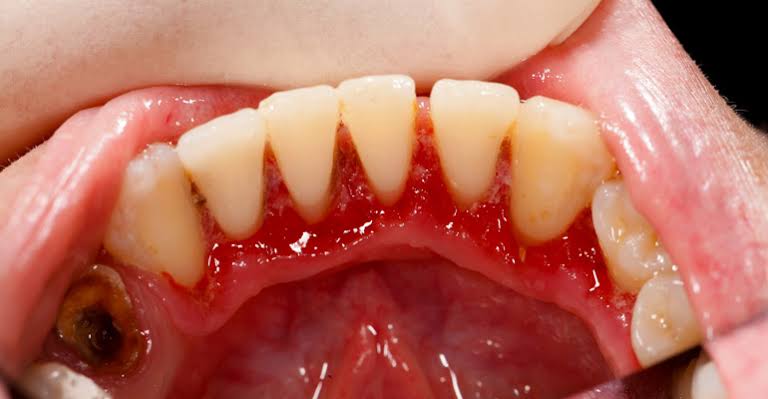
Most people think of gum disease as a minor dental issue that causes bleeding gums or bad breath. However, what many fail to realize is that severe periodontal disease can affect far more than the mouth. Researchers and healthcare professionals have increasingly emphasized the connection between oral health and overall health, showing that untreated gum infections may contribute to life-threatening conditions. This is why the phrase “gum disease that can kill you” has gained attention among medical experts and the public alike.
Gum disease itself rarely causes death directly, but its impact on the body’s systems can significantly increase the risk of serious illnesses, including heart disease, stroke, diabetes complications, respiratory infections, and systemic infections. Understanding the dangers of advanced periodontal disease is essential because early intervention and proper oral hygiene can prevent complications and improve overall well-being. Maintaining healthy gums is not only important for preserving teeth but also for protecting long-term health and reducing the risk of potentially fatal medical conditions.
What Is Gum Disease and How Does It Develop?
Gum disease, medically known as periodontal disease, is an infection of the tissues that support and surround the teeth. It begins with plaque, a sticky film of bacteria that accumulates on teeth and gums. If plaque is not removed through regular brushing and flossing, it hardens into tartar, which can only be removed through professional dental cleaning.
The earliest stage of gum disease is called gingivitis. At this stage, the gums may become red, swollen, and prone to bleeding during brushing or flossing. Gingivitis is usually reversible with proper oral hygiene and dental care. However, if left untreated, it can progress into periodontitis, a more severe condition that damages the bone and tissues supporting the teeth.
Advanced periodontal disease creates pockets between the gums and teeth where bacteria thrive. These bacteria can enter the bloodstream and trigger inflammation throughout the body. This widespread inflammation is one reason why experts describe severe cases as a gum disease that can kill you if ignored over time.
Why Gum Disease Is More Than a Dental Problem
Many individuals mistakenly believe that oral health is separate from overall health. In reality, the mouth serves as an entry point to the body, and infections in the gums can influence numerous organs and systems. Chronic inflammation caused by gum disease affects blood vessels, immune responses, and metabolic functions.
Bacteria associated with periodontal disease have been detected in the arteries, lungs, and other tissues. These bacteria can contribute to inflammation that worsens existing medical conditions or increases susceptibility to serious illnesses. Scientists continue to study these connections, but evidence strongly suggests that poor oral health can have widespread consequences.
This relationship explains why healthcare professionals emphasize preventive dental care as part of maintaining overall wellness. Ignoring gum disease does not simply risk tooth loss; it may also contribute to health conditions that threaten life expectancy.
The Link Between Gum Disease and Heart Disease
One of the most widely studied connections involves periodontal disease and cardiovascular health. Inflammation caused by gum infections may contribute to the development of atherosclerosis, a condition characterized by the narrowing and hardening of arteries. Restricted blood flow increases the risk of heart attacks and strokes.
Researchers believe that bacteria from infected gums can enter the bloodstream and promote inflammatory responses within blood vessels. These reactions may contribute to plaque buildup and blood clot formation. Individuals with severe periodontal disease have been found to face a higher risk of cardiovascular complications compared to those with healthy gums.
While gum disease does not directly cause heart disease, the association is significant enough that many cardiologists and dentists encourage patients to maintain proper oral hygiene. Protecting gum health may support cardiovascular health and reduce long-term risks.
How Untreated Gum Infections Can Lead to Sepsis
Sepsis is a potentially life-threatening condition that occurs when the body’s response to infection becomes overwhelming and causes widespread inflammation. Although uncommon, severe dental infections and advanced gum disease can occasionally contribute to systemic infections that develop into sepsis.
When harmful bacteria spread from the mouth into the bloodstream, they may affect multiple organs and trigger dangerous immune responses. Symptoms of sepsis include fever, rapid heart rate, confusion, difficulty breathing, and low blood pressure. Without immediate treatment, sepsis can progress to septic shock and organ failure.
This possibility highlights why some healthcare professionals warn about gum disease that can kill you. Although rare, untreated infections should never be ignored because they may lead to serious complications requiring emergency medical attention.
The Relationship Between Gum Disease and Diabetes
Diabetes and gum disease share a complex two-way relationship. Individuals with diabetes are more susceptible to infections, including periodontal disease, because elevated blood sugar levels can weaken immune defenses. At the same time, severe gum inflammation can make it more difficult to control blood glucose levels.
Poorly managed diabetes increases the risk of advanced periodontal disease, while ongoing gum infections contribute to chronic inflammation that interferes with insulin regulation. This cycle creates additional health risks and can increase the likelihood of complications affecting the kidneys, heart, eyes, and nerves.
Managing oral health is therefore an important component of diabetes care. Regular dental visits and effective hygiene practices can help improve both gum health and blood sugar management, reducing the risk of serious complications.
Respiratory Problems Associated With Periodontal Disease
The health of the mouth and lungs is more closely connected than many people realize. Harmful bacteria from infected gums can be inhaled into the respiratory system, potentially contributing to lung infections and respiratory diseases. Individuals with weakened immune systems and older adults may be particularly vulnerable.
Research has linked periodontal disease to pneumonia and worsening symptoms in people with chronic obstructive pulmonary disease (COPD). Aspiration of oral bacteria into the lungs may increase inflammation and promote infection. Maintaining good oral hygiene can therefore play a role in protecting respiratory health.
Although respiratory complications are more common in vulnerable populations, everyone benefits from preventing gum infections and reducing bacterial accumulation in the mouth.
Warning Signs That Should Never Be Ignored
Recognizing the symptoms of gum disease early can prevent progression and reduce the likelihood of complications. One of the earliest signs is bleeding gums during brushing or flossing. Persistent bad breath, gum tenderness, and swollen or red gums are also common indicators.
As periodontal disease advances, symptoms become more severe. Receding gums, loose teeth, pain while chewing, and pus around the gums may indicate significant infection. Some individuals notice changes in their bite or increased tooth sensitivity.
Ignoring these symptoms allows bacteria to continue damaging tissues and spreading inflammation throughout the body. Seeking professional dental care at the first signs of gum disease increases the chances of successful treatment and prevents long-term consequences.
Risk Factors That Increase the Severity of Gum Disease
Several factors increase the likelihood of developing severe periodontal disease. Smoking is among the most significant risk factors because it impairs blood flow to the gums and weakens immune responses. Poor oral hygiene, uncontrolled diabetes, and genetic predisposition also contribute to increased risk.
Age, stress, hormonal changes, and certain medications can affect gum health as well. Individuals with weakened immune systems or chronic illnesses may experience more aggressive forms of periodontal disease. Nutritional deficiencies and excessive alcohol consumption can further compromise oral tissues.
Understanding these risk factors helps individuals make informed decisions and adopt preventive strategies that support both oral and overall health.
Effective Treatments for Advanced Gum Disease
Modern dentistry offers several treatments for periodontal disease depending on its severity. Early-stage gingivitis often responds well to professional cleaning and improved oral hygiene habits. More advanced cases may require deep cleaning procedures known as scaling and root planing, which remove plaque and bacteria below the gumline.
In severe situations, surgical interventions may be necessary to repair damaged tissues or restore bone support. Antibiotics may also be prescribed to control bacterial infections. Successful treatment often requires long-term maintenance and regular dental checkups.
Patients who actively follow their dentist’s recommendations can slow disease progression and significantly improve oral health. Consistency in brushing, flossing, and attending routine appointments remains essential for preventing recurrence.
Preventing Gum Disease and Protecting Your Overall Health
Prevention remains the most effective strategy for avoiding the complications associated with periodontal disease. Brushing twice daily with fluoride toothpaste and flossing every day help remove plaque before it hardens into tartar. Professional dental cleanings every six months allow dentists to detect problems early and maintain healthy gums.
Healthy lifestyle choices also support oral health. Avoiding tobacco products, maintaining a balanced diet, controlling blood sugar levels, and staying hydrated contribute to stronger immune function and reduced inflammation. Regular exercise and stress management may further enhance overall well-being.
By taking preventive measures seriously, individuals can protect not only their teeth and gums but also their cardiovascular, respiratory, and metabolic health. Maintaining oral hygiene is a simple yet powerful investment in long-term wellness.
Frequently Asked Questions (FAQs)
Can gum disease actually kill you?
Gum disease itself rarely causes death directly, but severe untreated infections and the inflammation they create can contribute to life-threatening conditions such as heart disease, stroke, sepsis, and complications related to diabetes.
What is the most dangerous stage of gum disease?
Periodontitis is the advanced stage of gum disease. It damages tissues and bone supporting the teeth and increases the risk of systemic health complications.
Can gum infections spread throughout the body?
Yes. Harmful bacteria from severe gum infections can enter the bloodstream and contribute to inflammation or infections affecting other organs.
What are the first signs of gum disease?
Common symptoms include bleeding gums, bad breath, red or swollen gums, tenderness, and mild discomfort while brushing or flossing.
Is gum disease linked to heart attacks?
Research has shown an association between periodontal disease and an increased risk of cardiovascular disease, including heart attacks and strokes.
Can gum disease cause sepsis?
Although rare, severe untreated dental infections can spread to the bloodstream and contribute to sepsis, a potentially life-threatening condition.
How can I prevent gum disease?
Daily brushing, flossing, regular dental checkups, a healthy diet, and avoiding tobacco products are essential preventive measures.
Is gum disease reversible?
Gingivitis, the earliest stage of gum disease, is reversible with proper oral care. Advanced periodontitis can be managed and controlled but may not be completely reversible.