You have found the right property, negotiated the price, and started imagining life in your new home. Then the inspection report arrives and mentions termite activity or previous termite damage. What was supposed to be an exciting step suddenly becomes stressful, leaving many buyers wondering whether they should continue with the purchase or walk away.
For many Australians, purchasing a home is one of the largest financial commitments they will ever make. Unexpected termite findings can create uncertainty because the true extent of the problem is not always immediately clear. Questions about repair costs, structural integrity, future risks, and contractual obligations quickly come to the surface. Before making any decisions, it is important to understand exactly what the report means and what options may be available.
Why Pre-Purchase Inspections Matter
A property can appear well-maintained during an open home inspection. Fresh paint, renovated kitchens, modern flooring, and attractive landscaping often create a strong first impression. However, not all problems are visible on the surface.
Pre-purchase inspections are designed to identify issues that may otherwise remain hidden until after settlement. While buyers commonly focus on location, layout, renovations, and price, the condition of the property’s structure is equally important.
Inspections help uncover defects that could affect safety, maintenance costs, or future property value. In many cases, they reveal moisture problems, structural concerns, drainage issues, and timber pest activity that would be difficult for an untrained buyer to detect. Timber pest inspections are particularly valuable because termite damage often develops out of sight for extended periods.
Why Termites Are a Major Concern for Buyers
Termites are often called silent destroyers because they can cause significant damage without attracting attention. Unlike many household problems that produce obvious warning signs, termite activity frequently occurs inside wall frames, roof timbers, subfloors, decks, and other concealed structural components.
By the time visible signs appear, considerable damage may already exist. Termites feed on timber and other cellulose-based materials, gradually weakening structural elements over time. In severe cases, they can affect the integrity of floors, walls, ceilings, and support structures.
This hidden nature is precisely why termite findings can have such a strong impact on purchasing decisions. Buyers are not only concerned about current damage but also the possibility of additional concealed issues that may require costly repairs after settlement.
Understanding What the Inspection Report Is Actually Saying
Finding termites in an inspection report does not automatically mean the property is beyond saving. Reports often contain several different types of findings, and understanding the distinction between them is critical.
Some reports identify active termites currently present within or around the property. Others may only record historical damage from a previous infestation that has already been treated. Reports may also highlight conditions that increase the likelihood of future termite activity, such as excessive moisture, poor drainage, inadequate ventilation, or timber-to-soil contact.
In some situations, inspectors may recommend further investigation because certain areas were inaccessible during the inspection process. This does not necessarily indicate major damage, but it does mean additional assessment may be required before the property’s condition can be fully understood. The key is to focus on what the report actually says rather than assuming the worst.
Signs That the Problem May Be More Extensive
While some termite findings are relatively minor, others can indicate a larger underlying issue.
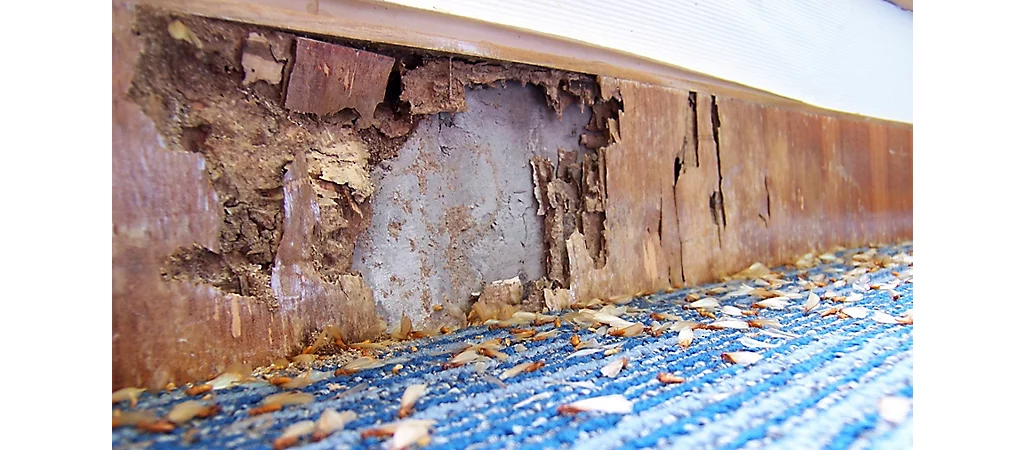
Active termite activity is often the most concerning finding because it suggests the infestation is ongoing. Hollow-sounding timber, sagging floors, damaged skirting boards, moisture issues around the property, and evidence of widespread timber deterioration may all point to more extensive damage.
Properties with long-term moisture problems can be particularly vulnerable because damp conditions often attract termite activity. Reports that identify extensive structural timber damage may also signal significant repair costs and further investigation requirements. When multiple warning signs appear together, obtaining specialist advice becomes increasingly important before proceeding with the purchase.
Can You Legally Back Out of the Purchase?
Whether you can withdraw from the purchase depends largely on the terms and conditions of the contract. Many property contracts include building and pest inspection clauses that allow buyers to conduct inspections before the transaction becomes unconditional. If significant defects are discovered during this period, buyers may have options available depending on the wording of the agreement. Some contracts may also include cooling-off periods that provide additional flexibility.
However, property laws and contract conditions vary between states and individual transactions. For that reason, buyers should avoid making assumptions based on general information alone.
If termites are discovered, seeking advice from a qualified conveyancer or solicitor is often the best way to understand your rights, obligations, and available options under the specific contract.
Why Buyers Sometimes Renegotiate Instead
Not every termite finding results in a cancelled purchase. Many buyers choose to renegotiate rather than walk away completely. Depending on the circumstances, they may request repairs before settlement, negotiate a reduced purchase price, obtain additional specialist assessments, or factor future treatment and repair costs into their budget.
In some cases, evidence may show that previous termite damage has already been repaired and that no active infestation remains. Buyers who receive clear documentation and professional confirmation may feel comfortable proceeding with the transaction. Others may negotiate compensation to account for future preventative measures. The appropriate response depends on the severity of the findings and the buyer’s risk tolerance.
Why Professional Assessment Becomes Essential
When unexpected termite findings appear during the buying process, arranging a professional Termite Inspection helps buyers understand whether the issue involves active infestations, historical damage, or environmental conditions that may increase future risk.
A detailed assessment can provide valuable information about the extent of damage, current termite activity, treatment requirements, and areas requiring further investigation. Professional inspections also help distinguish between cosmetic concerns and genuine structural risks. Reports prepared in accordance with Australian standards are designed to assist purchasers in making informed decisions about the property’s condition. Without a thorough assessment, buyers may struggle to accurately evaluate the true financial implications of the termite findings.
What Buyers Should Check Before Making a Final Decision
Before deciding whether to proceed, buyers should carefully review the entire inspection report and seek clarification on any findings they do not fully understand. It is wise to ask questions about the extent of any identified damage, whether termites are currently active, and whether further investigations are recommended. Obtaining repair estimates can help provide a clearer understanding of potential costs. Legal advice should also be sought regarding contract conditions and any rights that may exist if significant defects have been identified.
Buyers should additionally understand any ongoing termite management requirements that may apply to the property in the future. Regular inspections, preventative treatments, and maintenance of termite management systems can all play a role in reducing future risk. Gathering accurate information helps buyers make decisions with greater confidence.
A Termite Report Doesn’t Always Mean the Deal Is Over
Discovering termites during a property inspection can be alarming, but it does not automatically mean you must abandon the purchase. Some reports identify active infestations that require immediate attention, while others simply document historical damage or conditions that increase future risk.
Understanding the extent of the problem, the likely repair costs, and your contractual rights is essential before making a decision. With careful assessment, professional advice, and a clear understanding of the findings, buyers can make informed choices and reduce the risk of costly surprises after settlement.
FAQs
Does finding termites automatically mean I should not buy the property?
No. The significance of the finding depends on whether termites are active, the extent of any damage, and the likely repair costs. Some properties with previous termite issues remain suitable purchases after proper assessment.
What is the difference between active termites and old termite damage?
Active termites indicate a current infestation that requires treatment. Old termite damage refers to damage caused by previous infestations that may no longer be active.
Can termite damage affect a property’s structural integrity?
Yes. If termites have been present for an extended period, they can weaken structural timber components and potentially affect the building’s stability.
Are termite repairs expensive?
Costs vary significantly depending on the location and extent of the damage. Minor repairs may be relatively manageable, while extensive structural repairs can be considerably more expensive.
Should I get a second opinion after a termite report?
In some situations, obtaining an additional specialist assessment can provide greater clarity regarding the extent of damage and any recommended treatment or repair work.
Can a seller be asked to fix termite issues before settlement?
In some cases, buyers may negotiate repairs, treatment, or price adjustments with the seller. The outcome will depend on negotiations and the terms of the contract.
