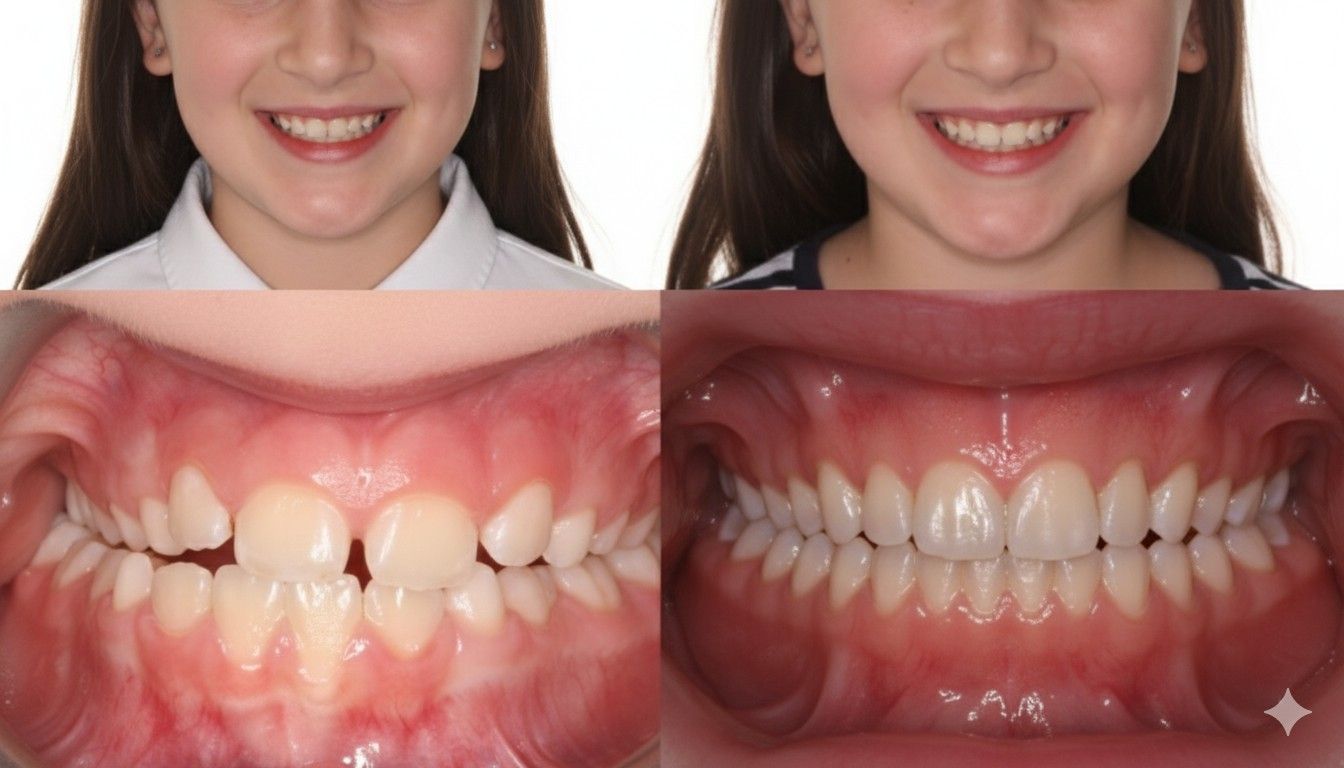
A palate expander is a common orthodontic device used primarily in children and teenagers to widen the upper jaw. If your orthodontist has recommended this treatment, you’re probably wondering what changes happen before and after using a palate expander, how it feels, and what kind of results you can expect.
Understanding the full journey—from the initial fitting to the final results—can help you feel more confident and prepared for the process.
What Is a Palate Expander?
A palate expander is a dental appliance placed in the upper mouth that gradually widens the upper jaw (maxilla). It works by applying gentle pressure to the two halves of the upper jaw, encouraging new bone to form in the gap as it slowly expands.
This treatment is most effective in children and early teens because their jawbones are still developing and easier to adjust.
Why a Palate Expander Is Needed
Orthodontists recommend a palate expander for several reasons:
- Crowded teeth due to a narrow upper jaw
- Crossbite (when upper teeth sit inside lower teeth)
- Breathing issues caused by a narrow palate
- Preparing the mouth for braces
A narrow palate can affect both dental alignment and facial development, so early correction is often beneficial.
Before Getting a Palate Expander
Before the expander is placed, your orthodontist will take:
- X-rays
- Impressions or digital scans of your teeth
- Measurements of your jaw
At this stage, you may notice signs such as crowded teeth, difficulty chewing properly, or bite problems. Some children may also breathe through their mouth due to restricted nasal airflow from a narrow palate.
The First Days After Installation
When the palate expander is first placed, it may feel bulky and uncomfortable. Common early experiences include:
- Pressure on the upper teeth and roof of the mouth
- Difficulty speaking clearly
- Extra saliva production
- Mild soreness
These symptoms usually improve within a few days as the mouth adjusts.
How the Expansion Process Works
The expander has a small screw in the center. Using a special key, a parent or patient turns the screw daily as instructed by the orthodontist. Each turn creates slight pressure that gradually widens the upper jaw.
This process typically lasts a few weeks.
Visible Changes During the Process
One of the most surprising before and after changes is the appearance of a gap between the two front teeth. This is completely normal and actually a sign that the expander is working. As the jaw widens, the teeth shift to accommodate the new space.
This gap usually closes later during braces treatment.
Palate Expander Before and After: Dental Changes
Before:
- Crowded or overlapping teeth
- Narrow smile
- Crossbite issues
- Limited space for permanent teeth
After:
- Wider upper jaw
- Improved alignment space for teeth
- Correction of crossbite
- More balanced smile appearance
The extra space makes future orthodontic treatment much easier and more effective.
Palate Expander Before and After: Facial and Breathing Improvements
Beyond teeth alignment, widening the palate can also:
- Improve nasal airflow and breathing
- Reduce mouth breathing
- Support better facial symmetry
- Improve speech clarity in some cases
Many parents report that children breathe and sleep better after expansion.
How Long the Expander Stays In
Even after the desired width is achieved, the expander remains in place for several months. This allows new bone to solidify and stabilize the jaw in its new position.
Removing it too early could cause the jaw to shift back.
Does It Hurt?
Most patients feel pressure rather than pain. The sensation lasts a few minutes after each adjustment and then fades. Over-the-counter pain relief can help if needed during the first few days.
Life After the Palate Expander
Once removed, most patients move on to braces or aligners. The expanded jaw now provides the proper space needed for teeth to align correctly.
The gap between the front teeth gradually closes as orthodontic treatment continues.
Final Results: Palate Expander Before and After
The transformation from before to after is often dramatic:
- A wider, healthier smile
- Proper bite alignment
- Less crowding
- Improved breathing and comfort
Though the process may feel unusual at first, the long-term benefits of a palate expander make it a highly effective early orthodontic treatment that sets the foundation for a lifetime of better dental health.
