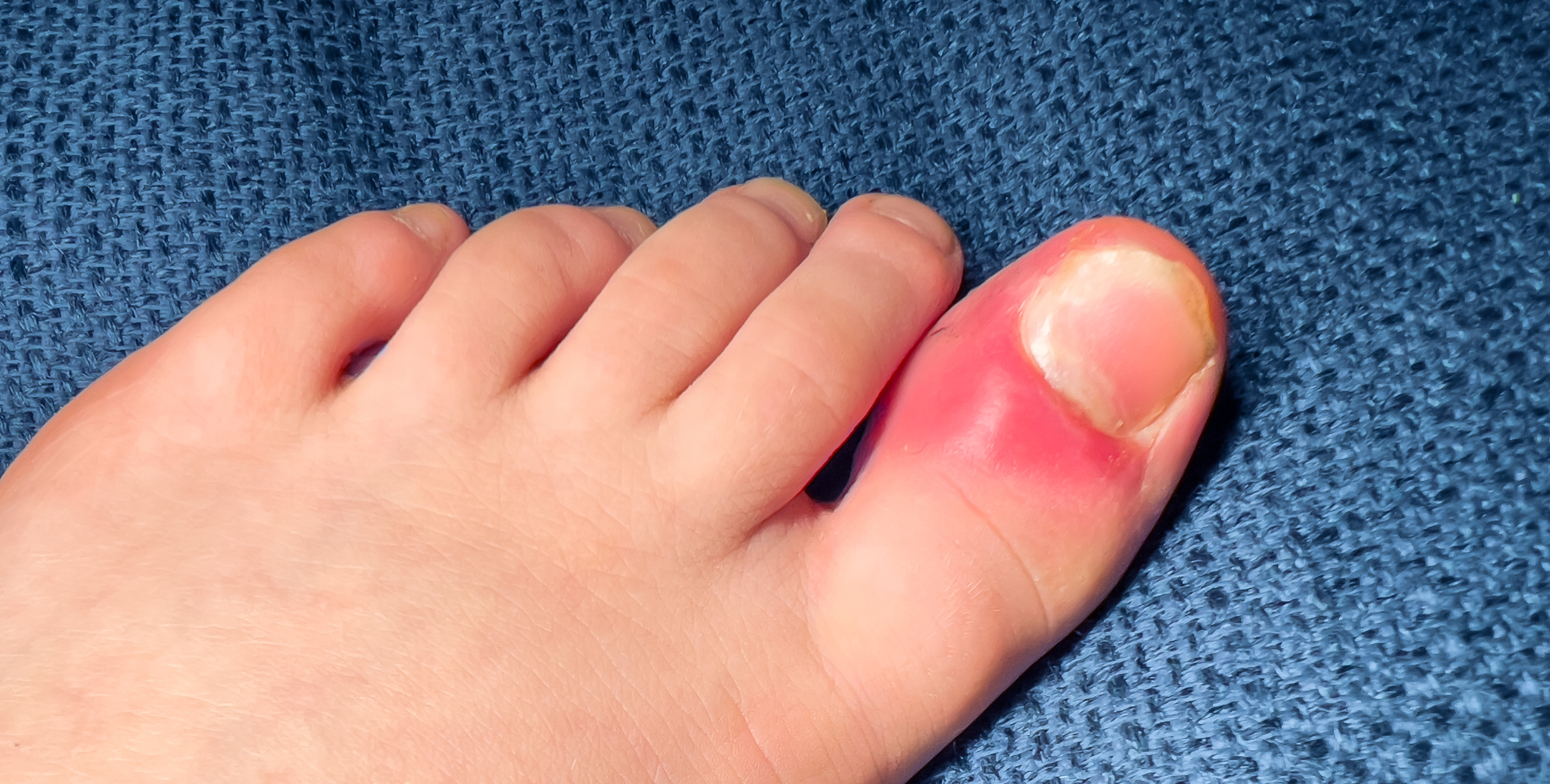
Toe injuries are surprisingly common and can happen during everyday activities, sports, exercise, or accidental impacts around the home. While many people assume a painful toe is simply bruised, the injury may actually be a sprain involving the ligaments that support the toe joint. Understanding how to know if you sprained your toe is important because proper care can speed recovery, reduce pain, and help prevent long-term complications.
A toe sprain occurs when one or more ligaments are stretched or torn after excessive force is applied to the joint. Ligaments are strong bands of connective tissue that stabilize joints by connecting bones together. When these tissues are overstretched, they can become inflamed, partially torn, or completely torn depending on the severity of the injury.
This comprehensive guide explains how to recognize the signs of a sprained toe, distinguish it from other injuries, understand treatment options, know when to seek medical attention, and support a safe recovery.
What Is a Sprained Toe?
A sprained toe is an injury to the ligaments surrounding one of the toe joints. Unlike a fracture, which involves a broken bone, a sprain affects the soft tissues that help keep the joint stable and functioning properly.
Sprains commonly occur when a toe bends beyond its normal range of motion. This may happen after stubbing your toe against furniture, falling awkwardly, dropping a heavy object on your foot, twisting during sports, or landing improperly after a jump.
The severity of a sprain can vary considerably. Mild sprains involve stretching of the ligaments, moderate sprains include partial tearing, and severe sprains may involve complete ligament tears that significantly affect joint stability.
Although any toe can be injured, the big toe is particularly vulnerable during athletic activities because it bears substantial pressure while walking, running, and pushing off the ground.
Common Symptoms of a Sprained Toe
Recognizing the symptoms is one of the first steps in determining how to know if you sprained your toe. Symptoms often appear immediately after the injury but may worsen over the following several hours.
Pain is usually the earliest symptom. The discomfort often develops around the affected joint and typically increases when walking, standing, bending the toe, or putting pressure on the foot.
Swelling commonly develops as the body’s inflammatory response begins. Depending on the severity of the injury, swelling may remain localized around the joint or extend into nearby toes and parts of the foot.
Bruising may appear within several hours or over the next day as small blood vessels beneath the skin become damaged. The skin may change color from red to purple, blue, or yellow during healing.
Stiffness is another common symptom. Moving the injured toe may become uncomfortable, and the normal range of motion can be noticeably reduced.
Tenderness often occurs when touching the injured area. Even gentle pressure around the joint may produce significant discomfort.
Some people also notice instability or a feeling that the toe is weaker than usual, especially with more severe sprains involving partial or complete ligament tears.
How a Sprained Toe Differs from a Broken Toe
One of the biggest concerns after a toe injury is determining whether the injury is a sprain or a fracture. While the symptoms may overlap, there are some differences that can help identify the problem, although only a healthcare professional can confirm the diagnosis.
A sprained toe generally causes pain around the joint and discomfort when moving the toe. Swelling and bruising are common, but the overall shape of the toe often remains normal.
A broken toe may produce more intense pain, especially immediately after the injury. There may be an obvious deformity, abnormal angulation, or shortening of the toe if the fracture has displaced the bone.
Difficulty bearing weight can occur with both injuries. However, severe fractures may make walking nearly impossible without significant pain.
A popping sensation can sometimes occur with either a ligament injury or a fracture, making it unreliable for distinguishing between the two.
Because symptoms frequently overlap, medical evaluation and imaging such as X-rays may be necessary whenever a fracture is suspected.
Common Causes of a Toe Sprain
Understanding how toe sprains occur can help both with recognizing injuries and preventing future problems.
One of the most common causes is stubbing a toe against furniture, stairs, or other hard objects. Sudden impact may force the joint beyond its normal range of movement.
Sports injuries are another frequent cause. Activities involving running, jumping, rapid direction changes, or physical contact increase the likelihood of toe injuries. Soccer, basketball, football, tennis, gymnastics, and dance commonly involve mechanisms that can sprain the toes.
Falls may also produce toe sprains when the foot twists awkwardly or the toes become trapped beneath the body.
Dropping heavy objects on the foot can injure both the ligaments and surrounding tissues.
Improper footwear contributes to risk as well. Shoes lacking support or fitting poorly may increase stress on the toes during daily activities or exercise.
Repeated overuse, although less common, can gradually strain toe ligaments through repetitive stress over time.
How Doctors Diagnose a Sprained Toe
If symptoms are severe or persist, a healthcare provider can evaluate the injury to determine its extent.
The evaluation usually begins with questions about how the injury occurred, when symptoms began, and whether walking or movement has become difficult.
A physical examination allows the clinician to assess swelling, bruising, tenderness, joint stability, and range of motion. Comparing the injured toe with the opposite foot often helps identify abnormalities.
The provider may gently move the toe in different directions to evaluate ligament integrity while minimizing discomfort.
X-rays are commonly ordered to rule out fractures because broken bones and ligament injuries frequently produce similar symptoms.
In some situations, advanced imaging such as magnetic resonance imaging (MRI) or ultrasound may be recommended if significant ligament damage is suspected or symptoms fail to improve with initial treatment.
Accurate diagnosis ensures that appropriate treatment begins promptly while reducing the risk of long-term joint problems.
Treatment Options for a Sprained Toe
Most mild to moderate toe sprains improve with conservative treatment and do not require surgery.
Rest is one of the most important components of recovery. Avoiding activities that worsen pain allows injured ligaments time to heal.
Applying ice for about 15 to 20 minutes at a time several times a day during the first 48 hours may help reduce pain and swelling. Ice should always be wrapped in a cloth or towel rather than placed directly on the skin.
Compression may be achieved by buddy taping the injured toe to a neighboring toe if recommended by a healthcare professional. This provides additional stability while healing occurs.
Elevating the foot above heart level whenever possible helps minimize swelling during the early stages of recovery.
Over-the-counter pain relievers may help reduce discomfort, provided they are appropriate for the individual and used according to label directions or medical advice.
Wearing supportive footwear with a stiff sole can reduce stress on the injured joint while walking.
More severe ligament injuries occasionally require immobilization with a specialized shoe, walking boot, or, in rare cases, surgical repair if significant instability remains.
When You Should Seek Medical Attention
Although many toe sprains heal without complications, certain symptoms require prompt medical evaluation.
Seek medical attention if severe pain prevents walking or standing, if the toe appears visibly deformed, or if numbness develops after the injury.
Rapidly increasing swelling, significant bruising extending beyond the toe, or inability to move the toe at all should also be evaluated.
Medical care is particularly important if the injury followed major trauma, such as a fall from height or a heavy object crushing the foot.
Persistent symptoms lasting more than several days without improvement may indicate a fracture, severe ligament injury, or another condition requiring additional treatment.
People with diabetes, circulation problems, weakened immune systems, or peripheral neuropathy should seek medical advice promptly because foot injuries may require closer monitoring.
Early evaluation helps reduce the likelihood of complications and supports optimal healing.
Recovery Time and Returning to Normal Activities
Recovery depends largely on the severity of the sprain.
Mild sprains often improve within one to three weeks with appropriate self-care. During this period, pain and swelling gradually decrease while mobility returns.
Moderate sprains involving partial ligament tears may require several weeks to heal fully. Activity modification and supportive footwear are often necessary during recovery.
Severe ligament injuries can require many weeks or even several months before full function returns, particularly if surgery or prolonged immobilization is needed.
Returning to sports or strenuous physical activity too early may increase the risk of reinjury. Activities should be resumed gradually once pain has significantly improved and normal movement and strength have largely returned.
Following healthcare recommendations regarding rehabilitation exercises and protective taping can support a safer return to activity.
Tips to Help Prevent Future Toe Sprains
While not every injury is preventable, several practical measures can reduce the risk of future toe sprains.
Wear properly fitting shoes that provide adequate support for your daily activities and sports.
Keep floors free of clutter to reduce the chance of accidentally stubbing your toes.
Warm up before exercise and gradually increase training intensity to prepare muscles and joints for activity.
Strengthening the muscles of the feet and lower legs may improve stability and reduce injury risk.
Practice balance and coordination exercises, particularly if participating in sports involving rapid changes in direction.
Replace worn athletic shoes regularly, as deteriorating footwear provides less support and cushioning.
Remaining aware of uneven surfaces during outdoor activities can also help prevent awkward twisting injuries.
Conclusion
Knowing how to know if you sprained your toe can help you respond appropriately after an injury and support a smoother recovery. Common symptoms include pain, swelling, bruising, tenderness, stiffness, and difficulty moving the affected toe. While many mild sprains improve with rest, ice, compression, elevation, and supportive footwear, more serious injuries may require medical evaluation to rule out fractures or significant ligament damage.
If pain is severe, the toe appears deformed, walking becomes extremely difficult, or symptoms fail to improve, seeking professional medical care is important. Early diagnosis and proper treatment reduce the risk of complications while helping you return safely to normal activities.
With appropriate care, patience, and gradual rehabilitation, most people recover well from toe sprains and regain normal function without long-term problems.
Frequently Asked Questions (FAQs)
1. How can I tell if my toe is sprained or just bruised?
A sprained toe usually causes pain around the joint, swelling, tenderness, and discomfort with movement. A bruise may primarily involve discoloration and tenderness without significant joint instability or reduced range of motion. Because symptoms can overlap, a healthcare provider may recommend an examination or imaging if the injury is severe.
2. Can I walk on a sprained toe?
Many people can walk with a mild sprain, although it may be painful. If walking is extremely difficult or impossible, or the pain is severe, you should seek medical evaluation to rule out a fracture or more serious injury.
3. How long does a sprained toe take to heal?
Mild sprains often heal within one to three weeks, while moderate or severe sprains may take several weeks or longer depending on the extent of ligament damage.
4. Should I tape a sprained toe?
Buddy taping may provide support for some sprains, but it should be done correctly and is not appropriate for every injury. If you suspect a fracture or severe injury, seek medical advice before taping.
5. Do I need an X-ray for a sprained toe?
An X-ray is often recommended if there is concern about a broken bone, severe pain, significant swelling, deformity, or difficulty bearing weight.
6. When should I see a doctor for a toe injury?
You should seek medical attention if your toe is visibly deformed, numb, severely swollen, extremely painful, difficult to move, or if symptoms do not improve after several days of home care.
7. Can a sprained toe heal without treatment?
Many mild sprains improve with home care, including rest, ice, elevation, and supportive footwear. However, ignoring persistent or severe symptoms may delay healing or allow more serious injuries to go undiagnosed.
8. Can I exercise with a sprained toe?
It is generally best to avoid activities that increase pain or place stress on the injured toe until it has healed. Returning to exercise too soon may increase the risk of reinjury. Consult a healthcare professional if you are unsure when it is safe to resume physical activity.
