What Does a Cavity on a Front Tooth Mean?
A cavity on a front tooth refers to tooth decay that affects one of the visible teeth at the front of your mouth, usually the incisors or canines. Unlike cavities on back teeth, which are often hidden in grooves and harder to see, a cavity on a front tooth is more noticeable and can affect both your dental health and your smile. Because these teeth are highly visible when you talk or smile, even a small area of decay can become a cosmetic concern as well as a medical one.
Front tooth cavities develop when plaque—a sticky film of bacteria—builds up on the tooth surface and produces acids that slowly erode the enamel. Over time, this erosion creates a small hole or damaged area in the tooth structure.
Why Front Teeth Get Cavities
Many people assume cavities only form in the back molars, but front teeth are also vulnerable, especially due to certain habits and conditions. Common causes include poor oral hygiene, frequent consumption of sugary or acidic drinks, dry mouth, and plaque buildup along the gumline. Drinking sodas, fruit juices, or energy drinks regularly allows acids to sit on the front teeth, weakening the enamel.
Additionally, people who breathe through their mouth, sleep with their mouth open, or suffer from dry mouth may not produce enough saliva to wash away bacteria, increasing the risk of decay on the front teeth.
Early Signs of a Cavity on a Front Tooth
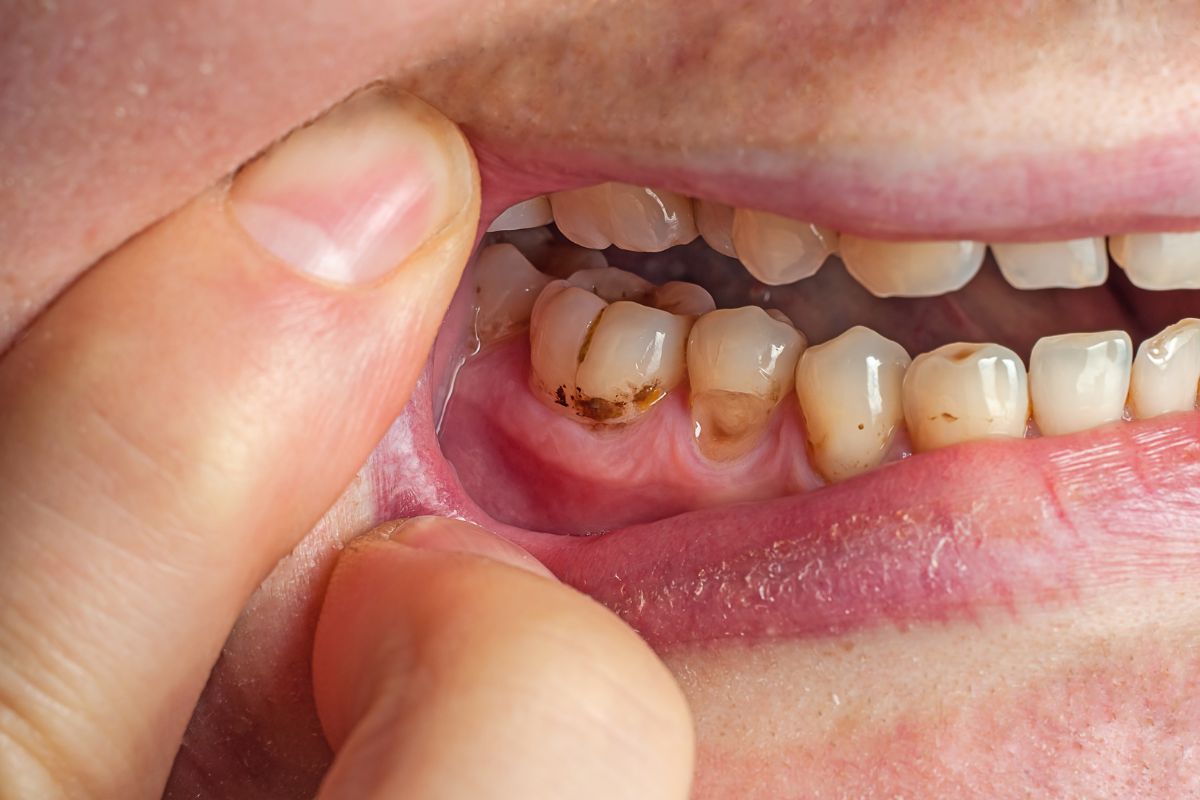
Cavities on front teeth often start subtly and may go unnoticed at first. Early signs can include a white chalky spot on the enamel, which indicates mineral loss. As decay progresses, you may notice discoloration such as brown or dark spots, increased tooth sensitivity to cold or sweet foods, or a rough feeling when you run your tongue across the tooth.
Because these teeth are easy to see in the mirror, changes in color or texture are often the first warning signs that something is wrong.
How It Affects Appearance and Confidence
One of the biggest concerns with a cavity on a front tooth is its effect on appearance. Even a small dark spot can make people feel self-conscious when smiling or speaking. As the cavity grows, it can create visible holes or uneven edges, impacting confidence and overall facial aesthetics. This is why early detection and treatment are especially important for front teeth.
How Dentists Treat a Front Tooth Cavity
Treatment depends on how advanced the cavity is. In early stages, dentists may use fluoride treatments to help remineralize the enamel and stop the decay from progressing. If a small hole has formed, a tooth-colored composite filling is usually the best solution. These fillings blend perfectly with the natural tooth, restoring both function and appearance.
For larger cavities, a dental bonding procedure or veneer may be recommended to rebuild the tooth surface. In severe cases where decay reaches deep into the tooth, a root canal treatment followed by a crown may be necessary to save the tooth.
Is Treatment Painful?
Most treatments for a cavity on a front tooth are simple and relatively painless. Dentists use local anesthesia when needed, and procedures like fillings or bonding are typically quick and comfortable. Because front teeth have less chewing pressure compared to molars, the repair process is often straightforward and successful.
Preventing Cavities on Front Teeth
Prevention focuses on maintaining excellent oral hygiene and reducing acid exposure. Brushing twice daily with fluoride toothpaste, flossing regularly, and rinsing after consuming sugary drinks are essential habits. Drinking water frequently helps wash away bacteria and acids that attack the enamel.
Using a straw for acidic drinks can reduce direct contact with front teeth. Regular dental checkups also allow early detection before a small issue becomes a larger cavity.
When to See a Dentist
You should see a dentist if you notice discoloration, sensitivity, or visible damage on a front tooth. Early treatment prevents further decay and avoids more complex procedures later. Because front teeth are highly visible, addressing problems quickly helps maintain both oral health and your smile.
Final Thoughts
A cavity on a front tooth is more than just a dental issue—it can affect how you feel about your appearance. Fortunately, with early detection, modern dental treatments can restore the tooth seamlessly. Good daily hygiene, mindful eating habits, and regular dental visits are the best ways to keep your front teeth healthy, strong, and cavity-free.
