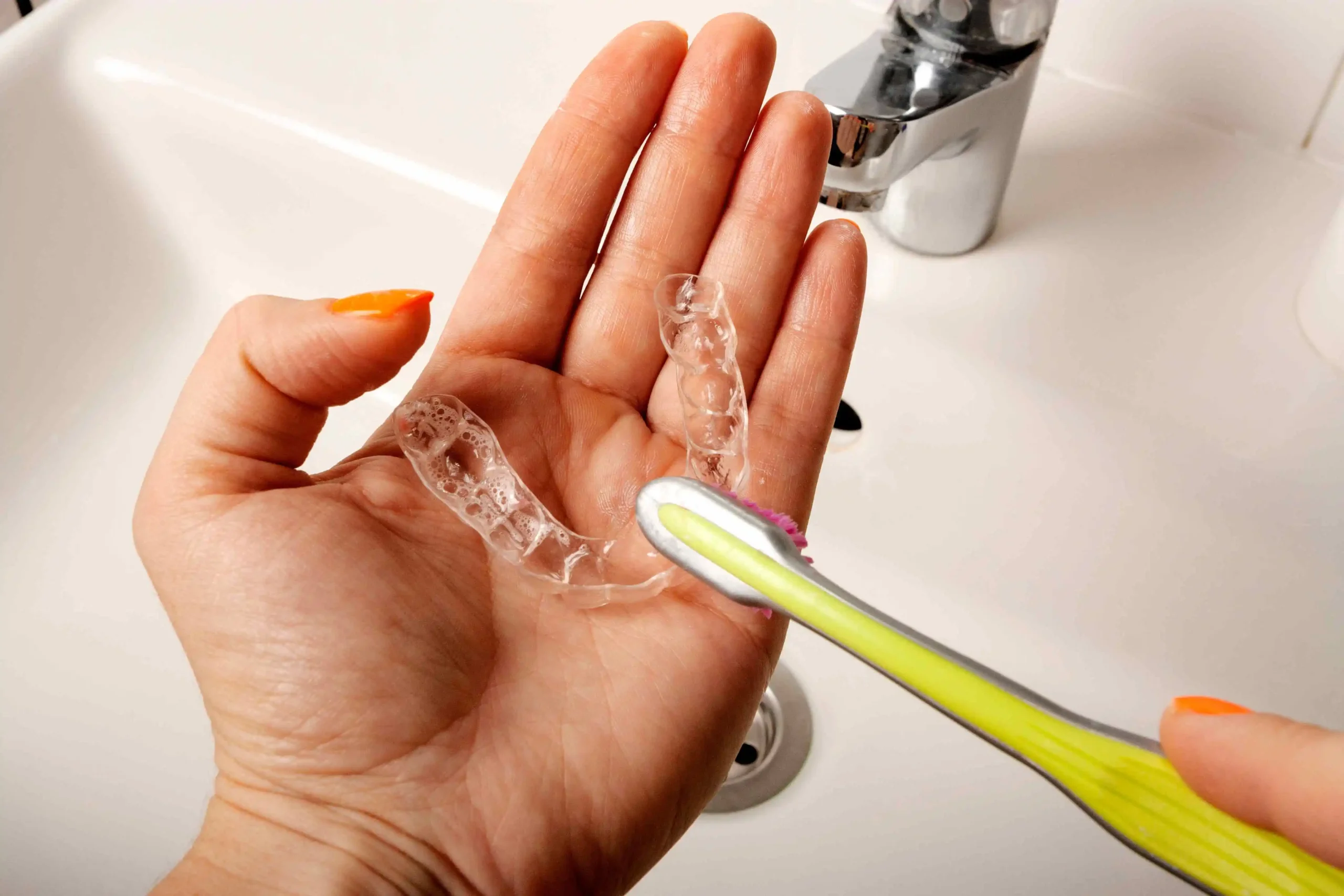
A mouthguard protects your teeth from grinding, clenching, sports injuries, and jaw strain—but only if it’s kept clean. Because it sits in a warm, moist environment for hours, a dirty mouthguard can quickly become a breeding ground for bacteria, plaque, and unpleasant odors. Many people rinse it with water and assume that’s enough, but proper cleaning requires more care.
If you’re wondering how to clean a mouthguard the right way, this detailed guide will walk you through daily, weekly, and deep-cleaning methods that keep your mouthguard fresh, safe, and long-lasting.
Why Cleaning Your Mouthguard Is So Important
A mouthguard collects:
- Saliva
- Bacteria from your mouth
- Food particles
- Plaque buildup
If not cleaned properly, this buildup can lead to:
- Bad breath
- Gum irritation
- Tooth decay
- Oral infections
- Discoloration and foul smell in the guard itself
Regular cleaning protects both your oral health and the material of the mouthguard.
What You Should Do Immediately After Removing It
The most important step happens right after you take the mouthguard out of your mouth.
- Rinse it thoroughly under cool or lukewarm water.
- Gently rub it with clean fingers to remove saliva and debris.
- Never use hot water—it can warp the shape of the guard.
This quick rinse prevents bacteria from drying and sticking to the surface.
Daily Cleaning Routine (Best Practice)
Every day, you should properly clean your mouthguard with a gentle method.
Step-by-Step Daily Cleaning:
- Use a soft toothbrush (not the one you use for your teeth)
- Apply a small amount of non-abrasive toothpaste or mild soap
- Gently brush all surfaces of the mouthguard
- Rinse thoroughly with water
- Let it air dry completely before storing
Avoid harsh scrubbing, which can create scratches where bacteria can hide.
Weekly Deep Cleaning for Extra Protection
In addition to daily cleaning, your mouthguard needs a deeper clean at least once a week.
Option 1: Denture Cleaning Tablets
Denture cleaners work extremely well for mouthguards.
- Dissolve one tablet in a glass of water
- Soak the mouthguard for 15–20 minutes
- Rinse thoroughly and air dry
Option 2: Vinegar and Hydrogen Peroxide Method
This removes stubborn buildup and bacteria.
- Soak the mouthguard in white vinegar for 30 minutes
- Rinse thoroughly
- Soak in hydrogen peroxide for another 30 minutes
- Rinse and dry
Do not mix vinegar and peroxide together—use them separately.
What NOT to Use When Cleaning a Mouthguard
Many people accidentally damage their mouthguard by using the wrong products.
Avoid:
- Hot or boiling water (causes warping)
- Bleach (too harsh and toxic)
- Alcohol-based mouthwash (can degrade the material)
- Dishwasher or microwave
These methods can ruin the fit and safety of the guard.
Proper Drying and Storage
Moisture allows bacteria to grow. After cleaning:
- Let the mouthguard air dry fully
- Store it in a ventilated case (with holes)
- Keep the case clean as well
Never store a wet mouthguard in a closed container.
Cleaning the Mouthguard Case
The case itself can collect bacteria.
At least once a week:
- Wash the case with soap and warm water
- Let it air dry completely
A clean case prevents re-contaminating the mouthguard.
Signs Your Mouthguard Needs Extra Cleaning
Watch for:
- Yellow or cloudy appearance
- Bad smell even after rinsing
- Sticky or slimy feeling
- Visible buildup
These are signs it needs a deep clean immediately.
When to Replace Your Mouthguard
Even with proper care, mouthguards don’t last forever.
Replace it if you notice:
- Cracks or tears
- Permanent odor
- Warping or poor fit
- Heavy discoloration
Most mouthguards last 6 months to 2 years depending on use.
Travel Tips for Mouthguard Hygiene
When traveling:
- Carry a small toothbrush and cleaning tablets
- Always let it dry before packing
- Never wrap it in tissue (traps moisture and bacteria)
Final Thoughts on How to Clean a Mouthguard
Learning how to clean a mouthguard properly is essential for your oral health. A simple rinse is not enough. With daily brushing, weekly deep cleaning, proper drying, and safe storage, you can keep your mouthguard fresh, odor-free, and effective for a long time.
A clean mouthguard doesn’t just last longer—it protects your teeth, gums, and overall health every time you wear it.
