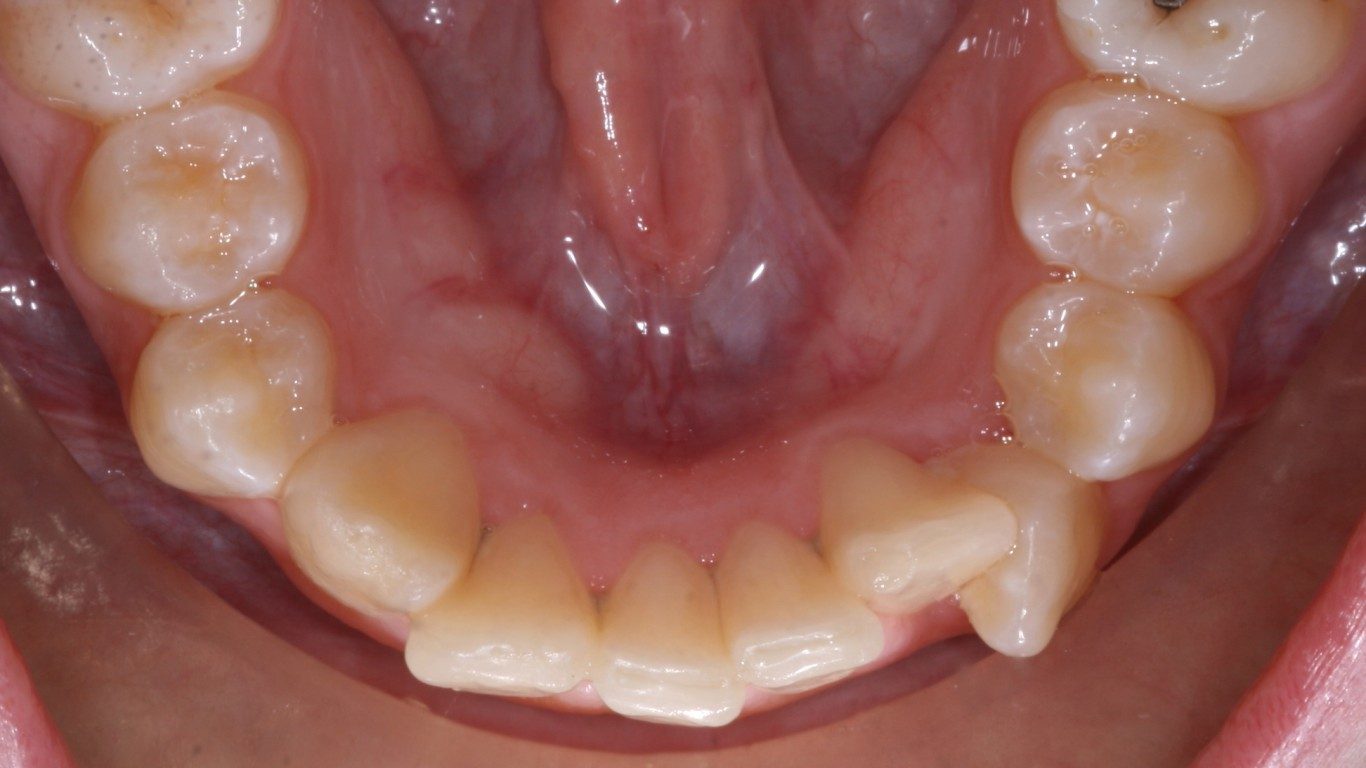
Wisdom teeth are the third set of molars located at the very back of the mouth, and they typically emerge between the ages of 17 and 25. Many people assume that everyone develops wisdom teeth at some point in life, but this is not entirely true. While wisdom teeth are common, not every person has them. In fact, a noticeable portion of the population is born without one or more wisdom teeth due to natural genetic variation. Understanding whether everyone has wisdom teeth requires looking at human evolution, genetics, and dental development patterns.
What Are Wisdom Teeth and Why Do We Have Them?
Wisdom teeth were useful for our ancestors who had larger jaws and a tougher diet consisting of raw plants, nuts, and uncooked meat. These extra molars helped with grinding food effectively. Over time, as human diets changed and jaws became smaller through evolution, the need for wisdom teeth reduced. However, the genetic code for developing these teeth still exists in many people today, which is why they continue to appear in modern populations. Despite this, the reduced jaw size often leaves little room for them to grow properly.
Are Some People Born Without Wisdom Teeth?
Yes, some people are naturally born without wisdom teeth. This condition is called agenesis, which means the teeth never form at all. Studies show that a significant percentage of people may be missing at least one wisdom tooth, and some may not have any. This is more common than many realize and is considered a normal genetic variation rather than a dental problem. Dentists often confirm this through X-rays when no signs of wisdom tooth development are visible.
How Many Wisdom Teeth Can a Person Have?
A full set of wisdom teeth consists of four molars—two on the upper jaw and two on the lower jaw. However, not everyone develops all four. Some individuals may have only one, two, or three wisdom teeth. Others may have all four, while a portion of people may have none at all. The number of wisdom teeth a person has depends entirely on their genetics and jaw development.
Why Wisdom Teeth Sometimes Don’t Appear
There are several reasons why wisdom teeth may not appear. The most common reason is genetics, where the tooth buds never form during early development. Another reason could be evolutionary adaptation, as modern humans no longer require these extra molars for survival. In some cases, wisdom teeth may be present but remain buried in the jawbone and never erupt through the gums. These are known as impacted wisdom teeth and may only be visible through dental imaging.
Do Impacted Wisdom Teeth Count?
Even if wisdom teeth do not emerge into the mouth, they may still exist beneath the gums. Impacted wisdom teeth occur when there is not enough space for them to grow properly. These teeth can remain hidden for years without causing problems, or they may lead to pain, infection, or crowding later on. So, while a person may think they do not have wisdom teeth because they never saw them, dental X-rays might reveal their presence.
Is It Better Not to Have Wisdom Teeth?
In many cases, people who are born without wisdom teeth avoid common dental problems such as crowding, infections, and surgical removal. Since wisdom teeth often cause complications due to lack of space, not having them can be considered beneficial. However, whether you have wisdom teeth or not does not significantly affect overall oral health as long as proper dental care is maintained.
How Dentists Determine If You Have Wisdom Teeth
Dentists use panoramic X-rays to check for the presence of wisdom teeth. This is usually done during teenage years when these teeth begin to develop. If no tooth buds are visible, it means the person will not develop wisdom teeth. If they are present, the dentist monitors their growth to determine whether removal might be necessary in the future.
Conclusion
Not everyone has wisdom teeth. While many people develop one or more of these third molars, a significant number are born without them due to genetic variation and evolutionary changes. Some may have wisdom teeth that never erupt, while others may have a full set that requires monitoring or removal. Whether you have wisdom teeth or not is completely normal and largely determined by genetics. Regular dental checkups and X-rays are the best way to know for sure.
