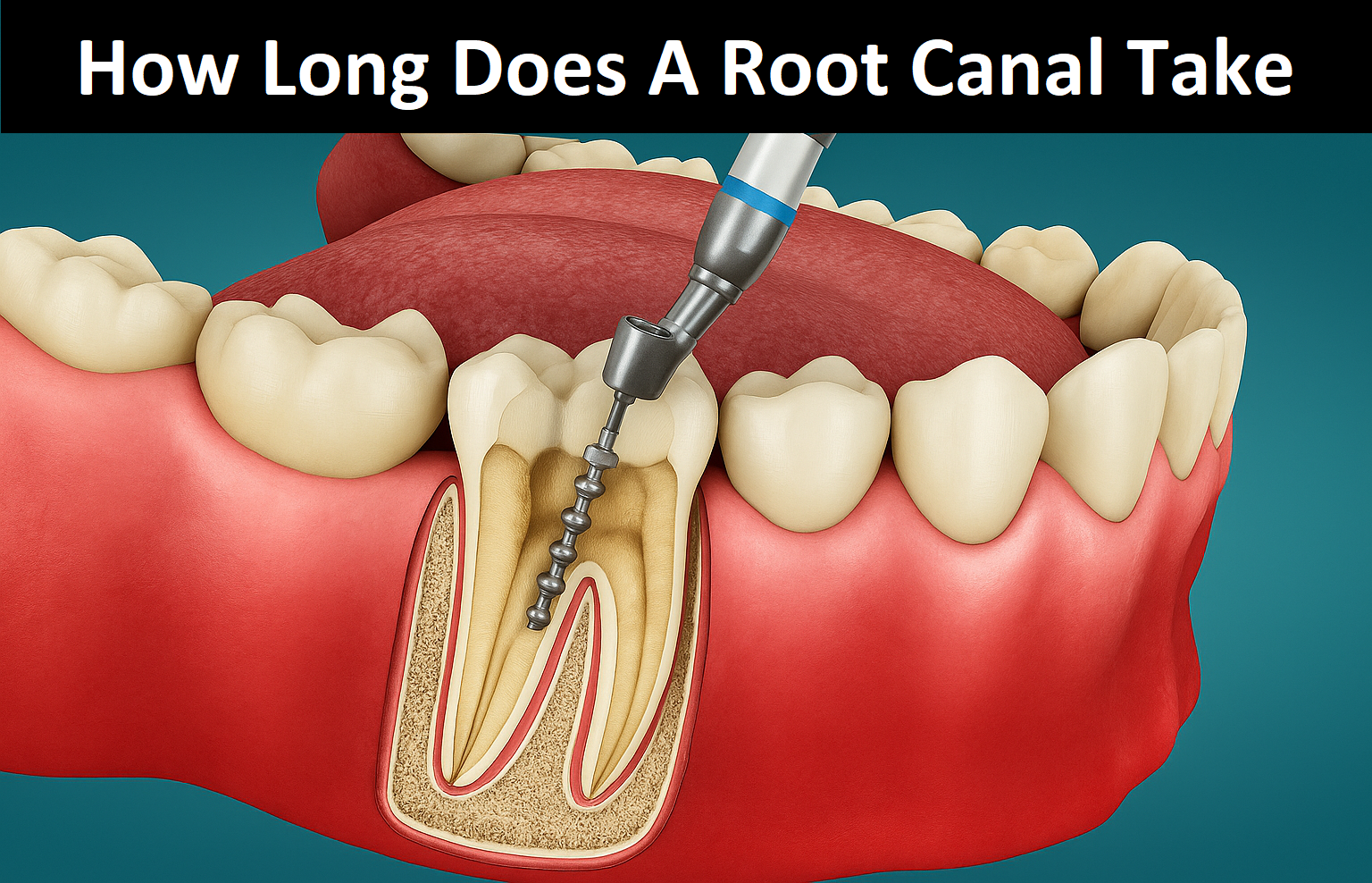
A root canal is a common dental procedure designed to remove infection from inside a tooth, relieve pain, and preserve the natural tooth structure. One of the most frequent questions patients ask before scheduling treatment is how long a root canal takes. The answer depends on several factors, including the location of the tooth, the severity of the infection, the complexity of the root system, and whether additional appointments are required. While many people assume the procedure is extremely lengthy or painful, modern dentistry has made root canals more efficient and comfortable than ever before. In most cases, a root canal can be completed within a single visit, though some situations require multiple sessions for proper cleaning and healing. Understanding the timeline helps reduce anxiety and allows patients to prepare mentally and physically for the procedure.
Average Time Required for a Root Canal Procedure
On average, a root canal appointment lasts between 60 and 90 minutes. For simpler cases, such as a front tooth with a single canal, the treatment may take closer to an hour. However, for molars at the back of the mouth, which often have three or four canals, the procedure may take up to 90 minutes or longer. Dentists work carefully to clean out infected pulp, disinfect the canals, and seal them properly to prevent reinfection. The goal is not speed but precision. The amount of time also depends on how easily the dentist can access the canals and how curved or narrow they are. Each tooth has a unique internal structure, and this directly influences how long the root canal takes.
Factors That Affect Root Canal Duration
Several important factors influence how long a root canal takes. The first is the type of tooth being treated. Front teeth are generally quicker because they have fewer canals. Premolars take slightly longer, while molars take the most time due to their complex root systems. Another factor is the extent of infection. If the infection is severe, the dentist may need extra time to thoroughly clean and disinfect the area. Additionally, if there is swelling, abscess formation, or difficult anatomy inside the tooth, the procedure may require additional care and time. Patient cooperation and the ability to keep the mouth open comfortably also play a role in the total duration of the appointment.
Single Visit vs Multiple Visits
Many root canals are completed in a single visit, especially when the infection is not too advanced. In these cases, the dentist cleans the canals, fills them, and seals the tooth during one appointment. However, in more complicated cases, the procedure may be split into two or three visits. This is often necessary when there is significant infection that requires medication to be placed inside the tooth between appointments. The dentist may insert a temporary filling and allow time for the infection to settle before completing the final sealing. Although multiple visits extend the overall timeline, each appointment may still last around the same amount of time. The total treatment time, therefore, may span over one or two weeks.
Step-by-Step Breakdown of the Time Spent
A large part of the appointment involves preparation before the actual cleaning begins. The dentist first numbs the area with local anesthesia, which takes a few minutes to become fully effective. Then, a small opening is made in the tooth to access the infected pulp. The cleaning process itself can take 30 to 60 minutes, depending on the number of canals and the complexity of the tooth. After cleaning, the canals are shaped, disinfected, and filled with a special material. Finally, the tooth is sealed with a temporary or permanent filling. Each of these steps is done carefully to ensure long-term success, which explains why the procedure cannot be rushed.
Does Pain Affect How Long the Root Canal Takes?
Pain does not usually make the procedure longer, but severe pain before treatment may indicate a deeper infection that requires more careful cleaning. Thanks to modern anesthesia techniques, patients typically feel little to no pain during the procedure. If a patient is anxious or uncomfortable, the dentist may pause to allow breaks, which can slightly extend the time. However, this is done to ensure patient comfort rather than to rush the process. The goal is to complete the root canal effectively while keeping the patient relaxed.
Root Canal Time for Different Teeth
The location of the tooth significantly influences how long the root canal takes. Front teeth, which usually have one root canal, can often be treated in about 45 to 60 minutes. Premolars, with one or two canals, may take about 60 minutes. Molars, which have multiple canals that can be curved and difficult to reach, often require 90 minutes or more. Dentists take extra care with molars because incomplete cleaning can lead to future infection. This is why patients receiving root canals on back teeth often spend more time in the dental chair.
After the Procedure: Additional Time for Restoration
Although the root canal itself may be completed in one visit, the treatment process does not end there. In most cases, the tooth will need a dental crown to restore strength and function. This usually requires a separate appointment that may take another 30 to 60 minutes. The crown protects the treated tooth from breaking and ensures long-term durability. Therefore, when asking how long a root canal takes, it is important to consider both the cleaning procedure and the follow-up restoration work.
Recovery Time After a Root Canal
While the procedure may take an hour or more, recovery is usually quick. Patients may feel mild soreness for a day or two, but they can typically return to normal activities immediately after the appointment. The time spent in the dental chair is often the longest part of the experience, as healing begins quickly once the infection is removed. Over-the-counter pain relievers are usually enough to manage any discomfort after the treatment.
Conclusion
So, how long does a root canal take? In most cases, the procedure lasts between 60 and 90 minutes, depending on the tooth and the severity of the infection. Some treatments are completed in a single visit, while others require multiple appointments for proper care. Factors such as tooth type, canal complexity, and infection level all influence the total time needed. Despite common fears, modern root canal procedures are efficient, carefully performed, and designed to save your natural tooth with minimal discomfort. Understanding the timeline can help patients feel more prepared and less anxious about undergoing this important dental treatment.
