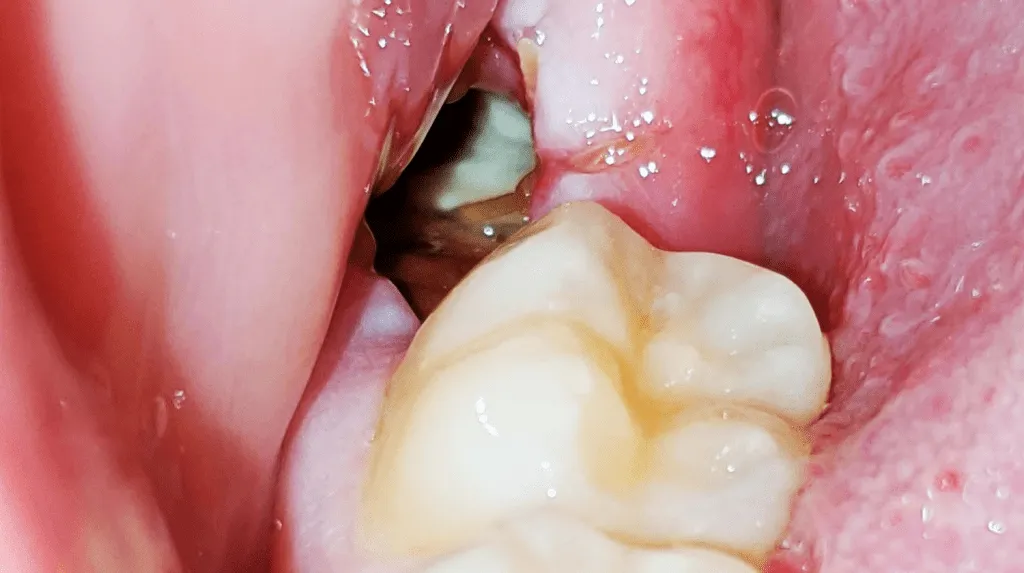
If you’ve been told you need your wisdom teeth out, one question probably stands out: does wisdom teeth removal hurt? It’s a common concern—and a very understandable one. The good news is that modern dentistry has made the procedure far more comfortable than most people expect.
This guide explains what you actually feel during wisdom teeth removal, what discomfort is normal afterward, and how to manage recovery smoothly.
What Are Wisdom Teeth and Why Are They Removed?
Wisdom teeth are the last molars at the back of your mouth. They usually appear between ages 17 and 25. For many people, there isn’t enough space in the jaw for them to grow properly. This can lead to:
- Pain and swelling
- Infection or gum inflammation
- Crowding of other teeth
- Impacted teeth (stuck under the gum)
When these issues arise, dentists recommend removal to prevent bigger problems.
Does Wisdom Teeth Removal Hurt During the Procedure?
The honest answer: you should not feel pain during the procedure.
Before starting, the dentist or oral surgeon numbs the area completely using local anesthesia. In some cases, patients may receive sedation or general anesthesia, especially if multiple teeth are being removed or if they feel anxious.
During the extraction, you may feel:
- Pressure
- Movement
- Tugging sensations
But you should not feel sharp pain. If you do, the dentist can administer more anesthetic immediately.
What Happens After the Anesthesia Wears Off?
This is where most of the discomfort occurs. Once the numbness fades, it’s normal to feel:
- Mild to moderate pain
- Swelling in the cheeks and jaw
- Soreness when opening your mouth
- Slight bleeding for the first few hours
This discomfort is temporary and manageable with proper care and medication.
How Painful Is the Recovery Period?
For most people, recovery discomfort peaks within the first 48 hours and gradually improves over the next few days.
Pain levels depend on:
- Whether the teeth were impacted
- How many teeth were removed
- Your body’s healing response
- How well you follow aftercare instructions
Many patients describe the pain as similar to a strong toothache or jaw soreness rather than intense surgical pain.
Pain Management After Wisdom Teeth Removal
Dentists usually prescribe or recommend:
- Ibuprofen or paracetamol for pain relief
- Ice packs to reduce swelling
- Rest for the first 24–48 hours
Using ice packs on your cheeks for 15–20 minutes at a time can significantly reduce both pain and swelling.
Tips to Reduce Discomfort Faster
Following aftercare properly can make a huge difference in how much pain you feel.
1. Avoid Straws and Spitting
This prevents a painful condition called dry socket.
2. Eat Soft Foods
Stick to soups, yogurt, mashed potatoes, smoothies, and soft meals for a few days.
3. Keep the Area Clean
Gently rinse with warm salt water after 24 hours.
4. Rest Properly
Your body heals faster when you’re not physically active.
What Is Dry Socket and Does It Hurt?
Dry socket happens when the protective blood clot at the extraction site gets dislodged. This exposes the bone and nerves, causing sharp pain a few days after surgery.
It’s preventable by following your dentist’s instructions carefully.
When Should You Be Concerned About Pain?
Contact your dentist if you experience:
- Severe pain that worsens after 3–4 days
- Persistent bleeding
- Fever or pus
- Swelling that doesn’t improve
These could be signs of infection or dry socket.
How Long Does the Pain Last?
Typical timeline:
- Day 1–2: Most discomfort and swelling
- Day 3–4: Noticeable improvement
- Day 5–7: Mild soreness only
- After 1 week: Most people feel normal again
Complete healing of the gum takes a few weeks, but pain fades much earlier.
Is Wisdom Teeth Removal More Painful for Adults?
Older patients may experience slightly longer healing times because bone density increases with age. However, with modern techniques and pain management, the experience is still very manageable.
Final Answer: Does Wisdom Teeth Removal Hurt?
During the procedure: No pain, only pressure.
After the procedure: Mild to moderate discomfort for a few days.
Most people find that the fear is worse than the reality. With proper care, the recovery is smooth, and the long-term relief from pain or infection makes the procedure worthwhile.
FAQ
Is wisdom teeth removal very painful?
No. You are fully numbed during the procedure, and post-surgery pain is manageable with medication.
How long does pain last after removal?
Usually 3–5 days, with major improvement after the first 48 hours.
Can I go back to work the next day?
Many people can, but taking 1–2 days off is recommended for comfort.
What is the worst day after wisdom teeth removal?
Typically the second day, when swelling peaks.
Is it better to remove all four wisdom teeth at once?
Often yes, as it avoids multiple recovery periods.
