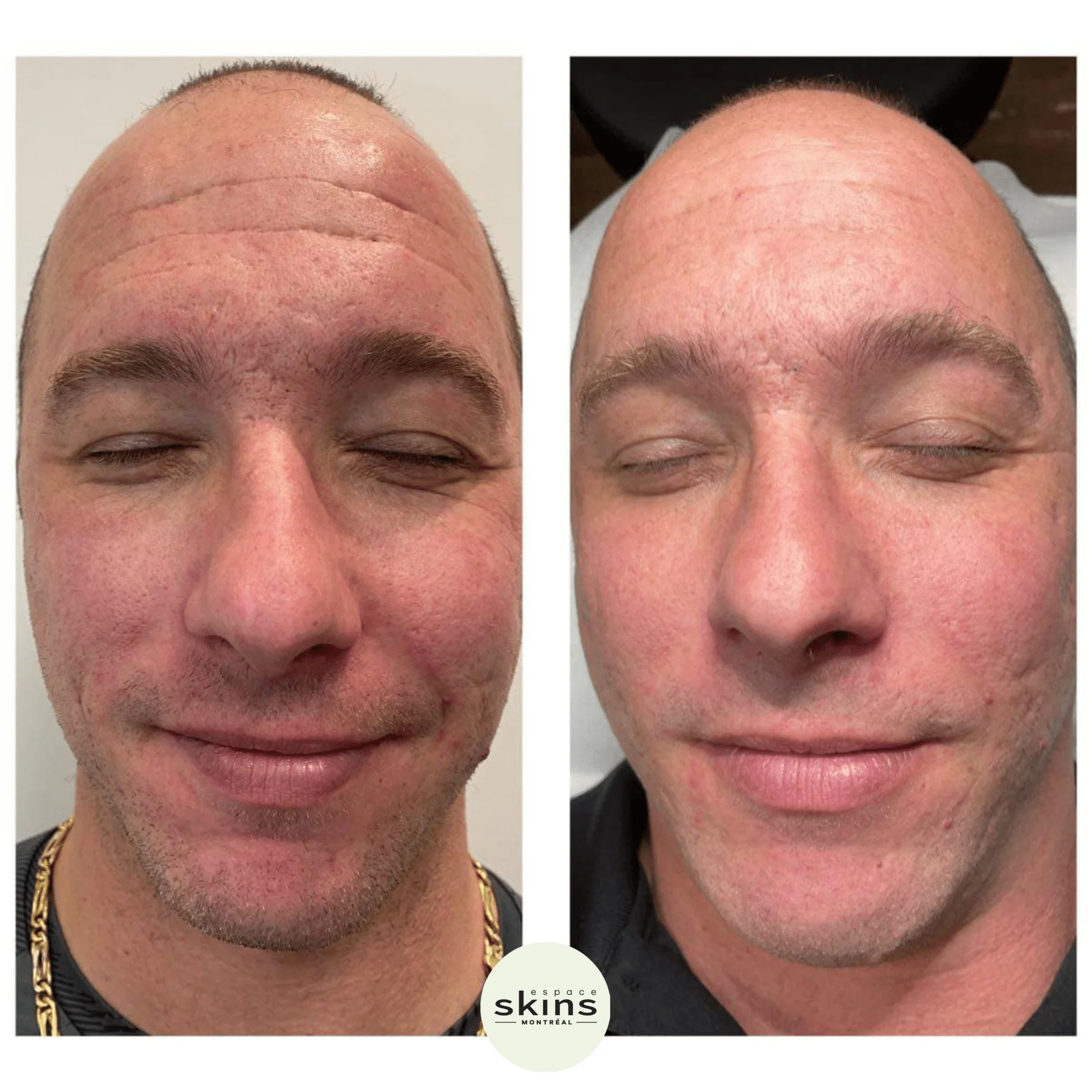
Microneedling has become one of the most popular skin treatments for improving texture, reducing acne scars, minimizing pores, and boosting collagen production. While the results can be impressive, many people hesitate because they are unsure about one thing: microneedling downtime.
Understanding what happens to your skin after the procedure—and how long recovery takes—can help you plan confidently and avoid unnecessary worry.
What Is Microneedling?
Microneedling is a cosmetic procedure where tiny, sterile needles create micro-injuries in the skin. This process stimulates the body’s natural healing response and increases collagen and elastin production.
The treatment is commonly used for:
- Acne scars
- Fine lines and wrinkles
- Uneven skin texture
- Large pores
- Hyperpigmentation
Although minimally invasive, it still requires a short recovery period.
How Much Microneedling Downtime Should You Expect?
The good news is that microneedling downtime is relatively short compared to many other skin treatments. Most people return to normal activities within 24 to 48 hours.
However, your skin will go through visible stages of healing during this time.
Day-by-Day Breakdown of Microneedling Downtime
Day 1: Redness and Sensitivity
Immediately after treatment, your skin will look red—similar to a mild sunburn. You may also feel:
- Warmth
- Tightness
- Slight swelling
This is completely normal and a sign that the healing process has started.
Day 2: Mild Pinkness and Dryness
By the second day, redness usually fades into a light pink tone. Your skin may start to feel dry and slightly rough as it begins to repair itself.
Some people notice mild flaking.
Day 3–4: Light Peeling or Flaking
During this stage, old skin cells shed while new skin forms underneath. This can look like mild peeling or dryness.
Makeup can typically be worn again at this point if needed.
Day 5–7: Skin Looks Brighter and Smoother
Most visible signs of treatment are gone. Your skin begins to look refreshed, more even, and radiant as collagen production continues beneath the surface.
Factors That Affect Microneedling Downtime
Downtime varies slightly depending on:
- Needle depth used during treatment
- Your skin sensitivity
- Whether PRP (platelet-rich plasma) was used
- How well you follow aftercare instructions
Deeper treatments for acne scars may result in slightly longer redness.
What to Avoid During Microneedling Downtime
To heal properly, avoid:
- Direct sun exposure
- Heavy workouts for 24 hours
- Makeup for the first 24 hours
- Harsh skincare products (retinol, acids, scrubs)
- Touching or picking at the skin
These can irritate the skin and delay recovery.
How to Speed Up Recovery
You can make microneedling downtime smoother by:
- Using gentle moisturizers
- Applying sunscreen regularly
- Drinking plenty of water
- Keeping the skin clean and hydrated
Your provider may recommend specific soothing serums or creams.
Is Microneedling Downtime Painful?
Most people report only mild discomfort, similar to sunburn tightness. It is rarely described as painful. Sensitivity reduces significantly within the first 24 hours.
Can You Work After Microneedling?
Yes. Many people schedule treatments on a Friday and return to work on Monday with no visible signs of the procedure. If redness concerns you, a weekend buffer is ideal.
When Will You See Results?
Although microneedling downtime is short, collagen production takes time. You may notice glow and smoothness within a week, but deeper improvements appear over several weeks.
Multiple sessions often produce the best results.
Who Should Plan for Extra Downtime?
People with very sensitive skin or those undergoing deeper treatments for acne scars should allow 3–4 days for redness to fully fade.
Final Thoughts on Microneedling Downtime
Microneedling downtime is minimal, manageable, and predictable. Most of the visible recovery happens within 48 hours, with light flaking for a few days after.
For a treatment that delivers long-term skin improvements, the short recovery period is one of the reasons microneedling remains so popular. With proper aftercare, you can return to your routine quickly while your skin continues to improve beneath the surface.
