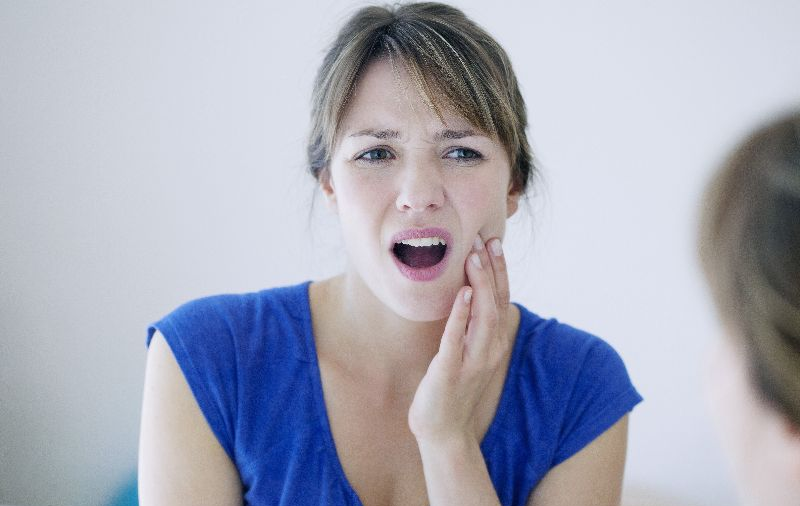
If you notice a clicking, popping, or snapping sound in your jaw when you chew, talk, or yawn, you’re not alone. Many people experience this at some point and wonder: why does my jaw pop when I chew?
In most cases, jaw popping is related to the temporomandibular joint (TMJ)—the joint that connects your jawbone to your skull. While the sound itself is often harmless, it can sometimes signal an underlying issue that deserves attention.
This guide explains the causes, symptoms, and practical steps you can take to reduce or stop the popping.
Understanding the Temporomandibular Joint (TMJ)
Your TMJ is one of the most frequently used joints in your body. It allows you to:
- Open and close your mouth
- Chew food
- Speak and yawn
- Move your jaw side to side
Inside this joint is a small cartilage disc that helps the jaw move smoothly. When this disc shifts out of its normal position, you may hear a popping or clicking sound.
The Most Common Reason Your Jaw Pops When You Chew
The primary reason behind jaw popping is disc displacement inside the TMJ.
When the disc moves slightly out of alignment:
- The jaw slides over it while opening or closing
- This movement creates a clicking or popping noise
If there is no pain, this is often not serious but still worth monitoring.
Other Causes of Jaw Popping
1. Teeth Grinding or Clenching (Bruxism)
Grinding your teeth at night puts pressure on the TMJ and surrounding muscles, which can lead to popping sounds over time.
2. Jaw Misalignment
If your bite is uneven, your jaw may not move smoothly, causing the joint to shift while chewing.
3. Stress and Muscle Tension
Tension in the jaw muscles from stress can pull the joint slightly out of alignment.
4. Arthritis in the Jaw Joint
Like other joints, the TMJ can develop arthritis, leading to rough movement and popping noises.
5. Injury or Trauma
A past injury to the jaw, even years ago, can affect how the joint functions.
When Jaw Popping Is Harmless
If your jaw pops when you chew but:
- There is no pain
- No locking of the jaw
- No difficulty opening your mouth
It is usually a mild TMJ issue that may resolve with simple care.
Warning Signs That Need Attention
Jaw popping becomes more concerning if you also experience:
- Pain near the ear or jaw
- Headaches or earaches
- Jaw locking open or closed
- Difficulty chewing
- Facial muscle soreness
These symptoms suggest a more serious TMJ disorder.
How to Reduce Jaw Popping
1. Avoid Hard or Chewy Foods
Gum, tough meat, and hard snacks strain the TMJ.
2. Practice Jaw Relaxation
Keep your teeth slightly apart when resting. Your jaw should not be clenched.
3. Use Warm Compresses
Heat relaxes tight jaw muscles and reduces joint stress.
4. Gentle Jaw Exercises
Slowly opening and closing the mouth in a controlled way can improve joint movement.
The Role of Stress in Jaw Popping
Many people unknowingly clench their jaw during stress. This constant pressure shifts the joint and worsens popping.
Relaxation techniques like deep breathing and stretching can make a noticeable difference.
Can a Night Guard Help?
If teeth grinding is the cause, a dentist may recommend a night guard. This reduces pressure on the TMJ while you sleep and often decreases popping over time.
Does Jaw Popping Go Away on Its Own?
In mild cases, yes. With reduced strain and better jaw habits, the joint can return to smoother movement.
However, persistent popping with pain should be evaluated by a dentist or TMJ specialist.
When to See a Dentist or Doctor
Seek professional help if:
- Pain lasts more than a few weeks
- Jaw locks or gets stuck
- Chewing becomes uncomfortable
- You hear grinding sounds instead of popping
Early treatment prevents long-term joint damage.
Final Thoughts: Why Does My Jaw Pop When I Chew?
Jaw popping usually happens because the TMJ disc shifts slightly during movement. While often harmless, it can signal stress, grinding, misalignment, or joint strain.
With small changes—avoiding jaw strain, reducing stress, and practicing relaxation—you can often reduce or eliminate the popping. If pain or locking occurs, professional evaluation is the best next step.
