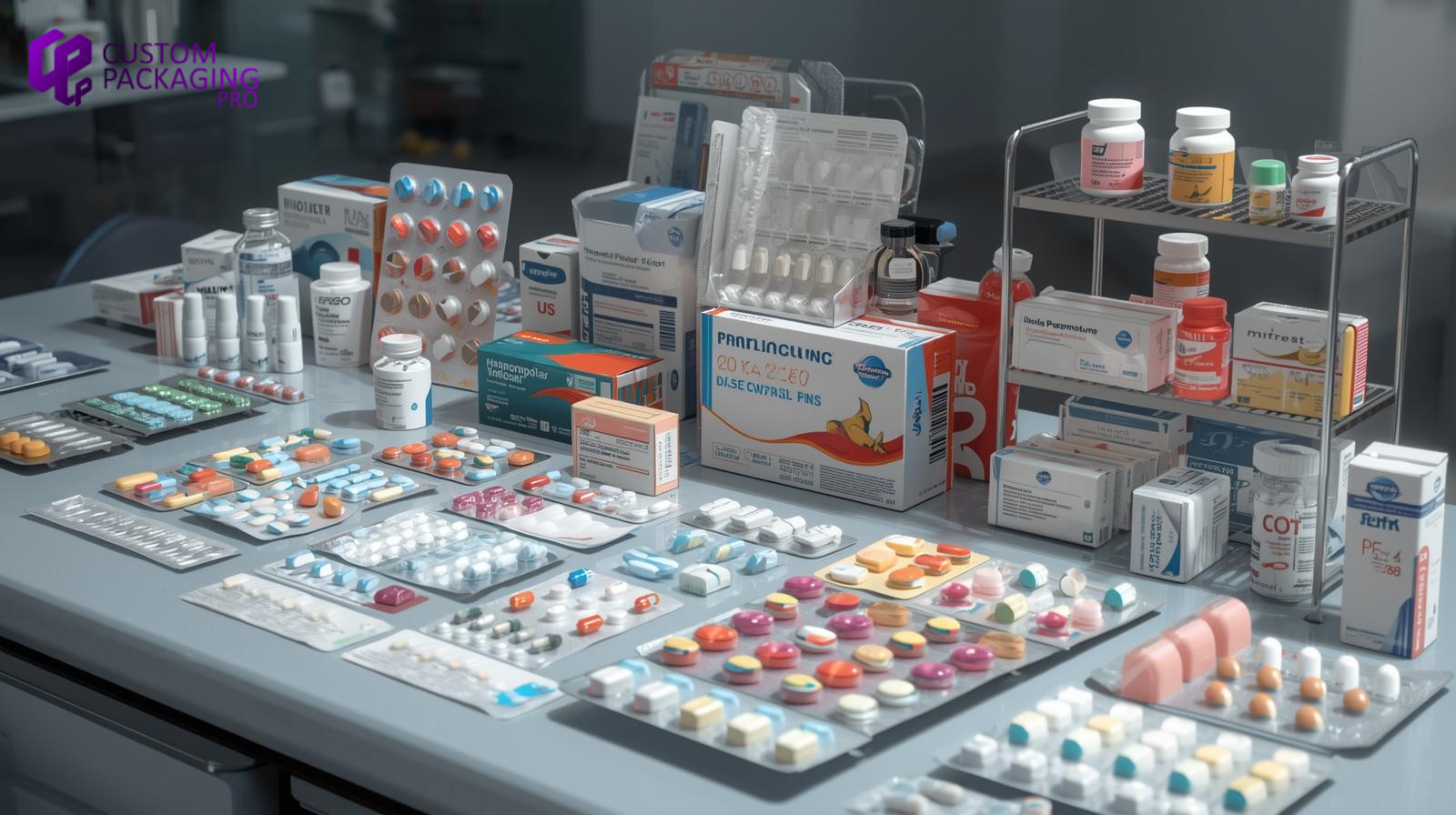
Pharma packaging plays a critical role in the healthcare industry. It is not just about wrapping medicines. It is about protecting products, ensuring patient safety, meeting regulations, and building trust. In both the USA and UK, pharmaceutical packaging must follow strict quality and safety standards.
From tablets and capsules to syrups and injections, every medicine needs packaging that keeps it safe, effective, and easy to use.
In this guide, we will explain what pharma packaging is, its types, materials, benefits, trends, and why it matters so much in today’s pharmaceutical market.
What Is Pharma Packaging?
Pharma packaging refers to all packaging solutions used for pharmaceutical and healthcare products. Its main purpose is to:
- Protect medicines from moisture, light, air, and contamination
- Maintain drug quality and shelf life
- Provide correct dosage and information
- Prevent tampering and counterfeiting
- Ensure safe transport and storage
In the USA and UK, pharma packaging must follow Good Manufacturing Practice (GMP) and other pharmaceutical packaging regulations.
Why Pharma Packaging Is So Important
Pharmaceutical products are sensitive. Without proper packaging, they can lose effectiveness or become dangerous.
Key reasons pharma packaging matters:
- Patient safety: Prevents contamination and wrong usage
- Product protection: Shields medicines from heat, light, and moisture
- Regulatory compliance: Meets FDA and UK/EU pharmaceutical standards
- Brand trust: High-quality packaging builds confidence
- Tamper evidence: Shows if a product has been opened or altered
Good pharma packaging is directly connected to public health.
Common Types of Pharmaceutical Packaging
Different medicines require different packaging systems.
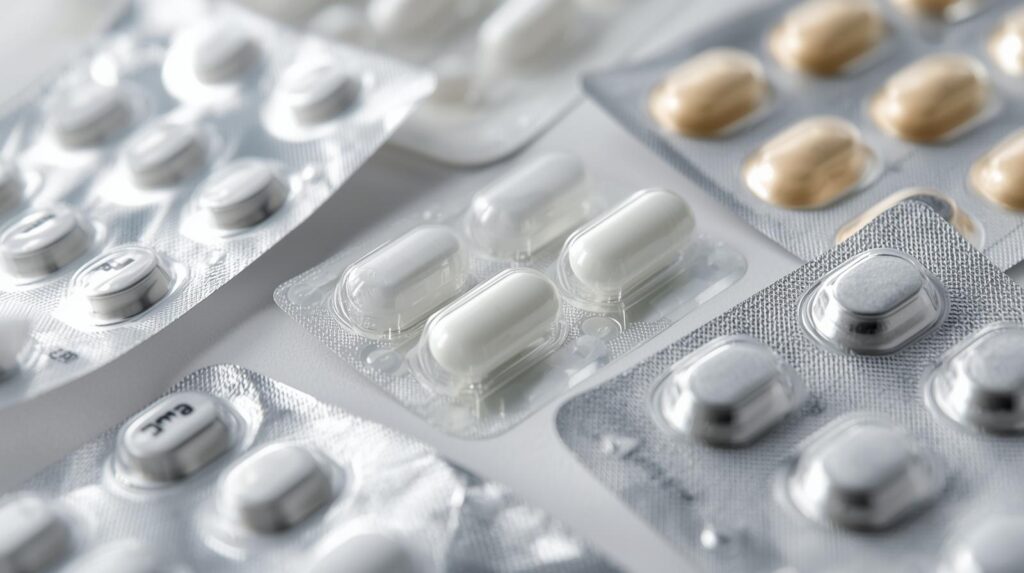
1. Blister Packaging
Widely used for tablets and capsules.
- Protects each dose separately
- Improves hygiene
- Easy for patients to use
- Popular in both the UK and USA
2. Bottle Packaging
Used for pills, syrups, and capsules.
- Plastic or glass bottles
- Often paired with child-resistant caps
- Suitable for bulk storage
3. Strip Packaging
Sealed packs used mainly for tablets.
- Airtight protection
- Cost-effective
- Common in mass pharmaceutical production
4. Vial and Ampoule Packaging
Used for injections and liquid medicines.
- High contamination protection
- Glass or medical-grade plastic
- Essential for hospitals and labs
5. Sachets and Pouches
Used for powders and single-dose medicines.
- Lightweight
- Easy to carry
- Accurate dosing
Materials Used in Pharma Packaging
Choosing the right material is very important.
Plastic
- Lightweight and strong
- Used for bottles, blister packs, droppers
- Resistant to breakage
Glass
- High chemical resistance
- Ideal for injections and syrups
- Preserves medicine purity
Aluminum Foil
- Excellent barrier against moisture, air, and light
- Mostly used in blister packaging
Paperboard
- Used for outer boxes
- Eco-friendly and printable
- Supports branding and information display
Key Features of High-Quality Pharma Packaging
Good pharmaceutical packaging must offer:
- Tamper-evident seals
- Child-resistant closures
- Clear labeling and dosage instructions
- Temperature-controlled protection
- Anti-counterfeiting elements
- High barrier protection
These features are especially important for healthcare brands operating in the USA and UK pharmaceutical markets.
Pharma Packaging and Regulations
Pharma packaging is one of the most regulated packaging sectors.
In the USA:
- Must follow FDA pharmaceutical packaging guidelines
- Includes labeling, safety, and contamination control rules
In the UK:
- Must comply with MHRA and GMP standards
- Requires proper serialisation and safety features
Regulatory-compliant packaging protects both the manufacturer and the patient.
Modern Trends in Pharmaceutical Packaging
Pharma packaging is evolving with technology and consumer needs.
Smart Packaging
- QR codes and tracking systems
- Anti-counterfeit features
- Improved traceability
Eco-Friendly Pharma Packaging
- Recyclable materials
- Reduced plastic usage
- Sustainable paperboard solutions
Patient-Friendly Designs
- Easy-open packs
- Clear instructions
- Better accessibility for elderly users
Temperature-Controlled Packaging
- Used for vaccines and biologics
- Maintains cold-chain safety
- Essential for global shipping
Benefits of Custom Pharma Packaging
Custom pharmaceutical packaging helps brands stand out while staying compliant.
- Matches specific drug requirements
- Supports brand identity
- Improves shelf presentation
- Enhances patient experience
- Builds long-term trust
Custom solutions are widely used by pharmaceutical companies in both UK and US healthcare industries.
How Pharma Packaging Supports the Healthcare Industry
Pharma packaging is not just packaging. It is a health protection system.
It supports:
- Hospitals
- Pharmacies
- Research labs
- Medical suppliers
- Healthcare brands
Without proper pharmaceutical packaging, modern medicine distribution would not be possible.
Final Thoughts
Pharma packaging is not just about wrapping medicines. It plays a critical role in product safety, patient trust, and regulatory compliance. Whether you are serving the USA or UK pharmaceutical market, choosing high-quality, tamper-evident, and well-designed packaging is essential for long-term success. Custom Packaging Pro delivers reliable pharma packaging solutions, including blister packs, medical boxes, and temperature-controlled pharmaceutical packaging that meet modern industry standards. For brands looking to protect their products, strengthen credibility, and ensure consistent quality, Custom Packaging Pro remains a trusted partner in pharmaceutical packaging.
Frequently Asked Questions (FAQs)
Q1. What is pharma packaging?
Pharma packaging is the system used to protect, store, and deliver pharmaceutical products safely while meeting medical and regulatory standards.
Q2. Why is pharmaceutical packaging important?
It prevents contamination, protects drug quality, ensures correct usage, and maintains patient safety.
Q3. What are the most common pharma packaging types?
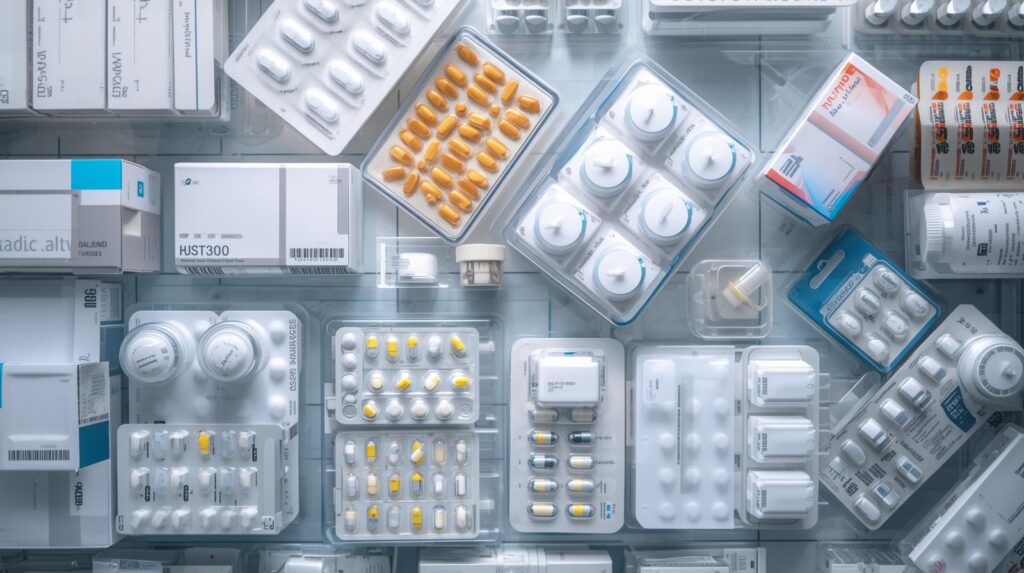
Blister packs, bottles, vials, ampoules, sachets, and strip packs are the most widely used.
Q4. What materials are used in pharma packaging?
Plastic, glass, aluminum foil, and paperboard are the most common materials.
Q5. Does pharma packaging need to follow regulations?
Yes. In the USA and UK, pharmaceutical packaging must meet strict GMP, FDA, and MHRA guidelines.
Q6. What is temperature-controlled pharma packaging?
It is special packaging used to protect medicines like vaccines that require controlled temperatures.
